GDC tips show Nintendo job seekers need soft skills, preparation, and teamwork
Nintendo interviews reward more than fandom. GDC's guidance shows that preparation, clear communication, and teamwork matter as much as creative ideas.

The real test is not passion, it is fit
The best candidates for Nintendo are not the ones who can fire off the most ideas in an interview. They are the ones who can read the room, explain their work cleanly, and prove they can help a team ship. That is the hard edge of GDC Vault’s interview guidance: in games, the job description often does not match the work you will actually do, and you may have more power to shape the role than you think.
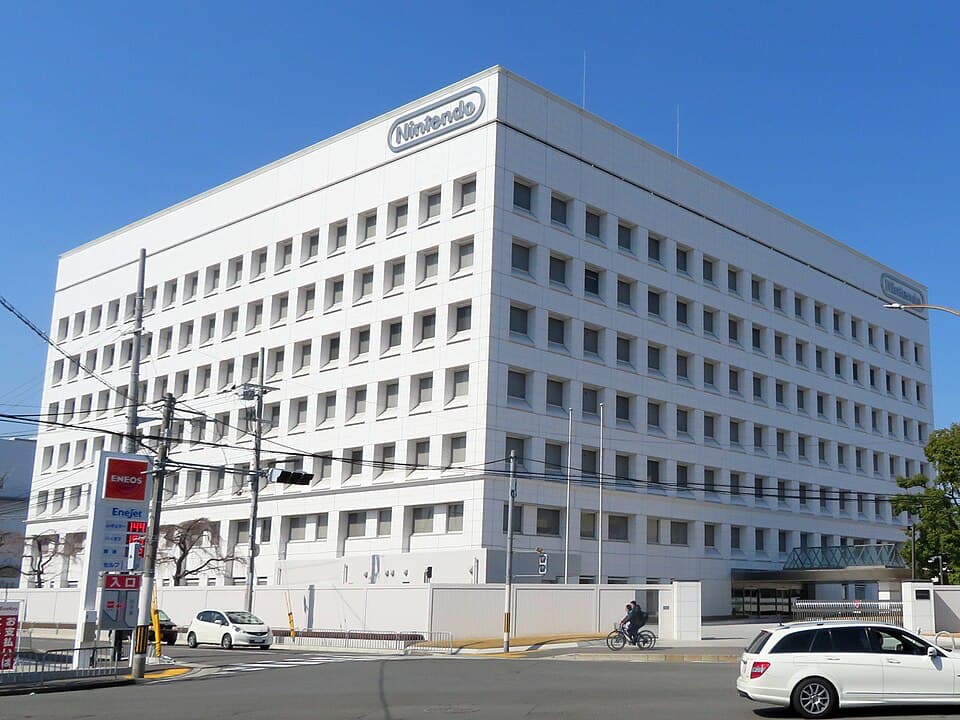
That matters at Nintendo because the company does not treat hiring as a solo showcase. Its careers site emphasizes an inclusive workplace, employee resource groups, and a culture built around “We Ask, Listen, Learn,” “We Find Ways Forward,” and “We Thoughtfully Deliver.” In a company that sees long-term value through careful, cross-functional work, interview performance is not just about raw enthusiasm for Mario, Zelda, or Animal Crossing. It is about whether you can operate like part of a large production system.
Read the interview as a collaboration, not an exam
GDC Vault’s “Interview Wizardry” session makes a point many candidates miss: interviews are not only about how many ideas you can generate on the spot. They also test psychology, preparation, communication, and whether you understand what the team actually needs. The session description goes further and says many applicants do not realize the job description rarely matches what they will be hired to do.
That is a useful reality check for Nintendo seekers. If you are interviewing for design, production, QA, localization, or a business role, the person across the table is likely trying to figure out something narrower than “Are you a fan?” They want to know whether you can work within constraints, listen to feedback, and help a team move from good ideas to work that is ready for players.
The smartest move is to treat the interview as two conversations at once. One is about your experience. The other is about theirs: what the team needs now, what kind of collaboration the role requires, and how the position may evolve. That is especially important in a company with major franchises, global coordination, and high expectations for consistency.
Soft skills are not extras in game development
GDC Vault’s companion session, “A Survival Guide for Game Developers,” is described as a lecture based on more than 20 years of industry experience, focused on the soft skills that drive long-term success. That is not a soft sell. In a quality-first environment like Nintendo, those skills are part of the job, not something separate from the job.
For many roles, technical skill gets you into the room. Soft skills determine whether people trust you once you are there. That includes the ability to:
- explain tradeoffs without hiding behind jargon
- take feedback without getting defensive
- describe your own contribution clearly
- stay calm when priorities shift
- work with people whose expertise is different from yours
This is especially true in disciplines where output is shared and interdependent. Designers need to align with engineering and production. QA needs to surface issues in a way that gets action, not friction. Localization staff need precision, cultural judgment, and coordination across teams. Business professionals need to communicate in a way that supports decisions without creating confusion.
Richard Vogel’s perspective, drawn from more than 20 years in the industry, is useful precisely because it cuts through the fantasy that talent alone carries a career. It does not. The people who last are usually the ones who can make work easier for others.
How to show you are ready for Nintendo
A strong portfolio still matters, but it is not enough on its own. What stands out in a Nintendo interview is evidence that you understand how work gets made, improved, and shipped. Bring concrete examples of projects you finished, not just concepts you liked. Be ready to explain what you personally changed, what problems you solved, and how your decisions affected the team.
That means speaking plainly about tradeoffs. If a feature was cut, say why. If feedback changed the direction of a project, explain how you handled it. If you improved a workflow, show the before and after. Candidates often try to sound flawless; stronger candidates sound useful.
A practical preparation checklist looks like this:
- prepare examples of shipped work, not just prototypes
- know where your work fit inside a team
- practice explaining your decisions in simple language
- rehearse how you respond to critique
- research the team’s needs so your answers are specific
You are also allowed to influence how your work is perceived. That is one of the more pointed lessons in the GDC Vault guidance. If the interviewer misses the significance of a project, do not bury it. Frame it clearly. If your job title undersells what you did, spell out the scope. You are not bragging. You are making your contribution legible.
Why Nintendo’s structure raises the stakes
Nintendo of America says it works closely with Nintendo Co., Ltd. to bring franchises such as Mario, Donkey Kong, The Legend of Zelda, Metroid, Animal Crossing, Pikmin, and Splatoon across the Americas. That kind of partnership demands clean communication across regions, functions, and decision-making layers. It also means a small misunderstanding can ripple much farther than it would in a looser organization.
The scale is part of the story too. Nintendo’s corporate profile listed 8,572 employees globally and 3,078 employees at Nintendo Co., Ltd. alone as of the end of September 2025. In a company that size, hiring decisions shape a large, coordinated operation. You are not just being judged on whether you are smart. You are being judged on whether you can help a major franchise machine move in sync.
Nintendo’s governance materials make that broader logic explicit. The company says it seeks long-term corporate value while considering shareholders, consumers, business partners, employees, local communities, and other stakeholders. That is a reminder that interviews are not simply about individual brilliance. They are about whether you can work in a system built around trust, continuity, and shared responsibility.
The people who stand out in that environment are rarely the loudest. They are the ones who come prepared, communicate with discipline, and understand that collaboration is a professional skill. In games, and especially at Nintendo, that is how passion becomes a career.
This article was produced by Prism’s automated news system from verified source data, official records, and press releases, then run through automated quality and moderation checks before publishing. The system is built and supervised by the people who set the standards it runs under. Read our full AI policy.
Did this article answer your question?