Microsoft launches first voluntary retirement program amid AI spending push
Microsoft is nudging senior U.S. staff toward exit offers even as it plans more than $30 billion in quarterly AI spending. The move is a labor-market signal, not just an HR memo.
Microsoft is asking some of its most experienced U.S. employees to decide whether they want out, even as it keeps pouring money into artificial intelligence. Its first voluntary retirement program is open to workers at senior director level and below whose age plus years of service total 70 or more, and the company said the program could touch about 7% of its U.S. workforce. That is a notable number for a company still posting giant results and still investing heavily in the next wave of computing.
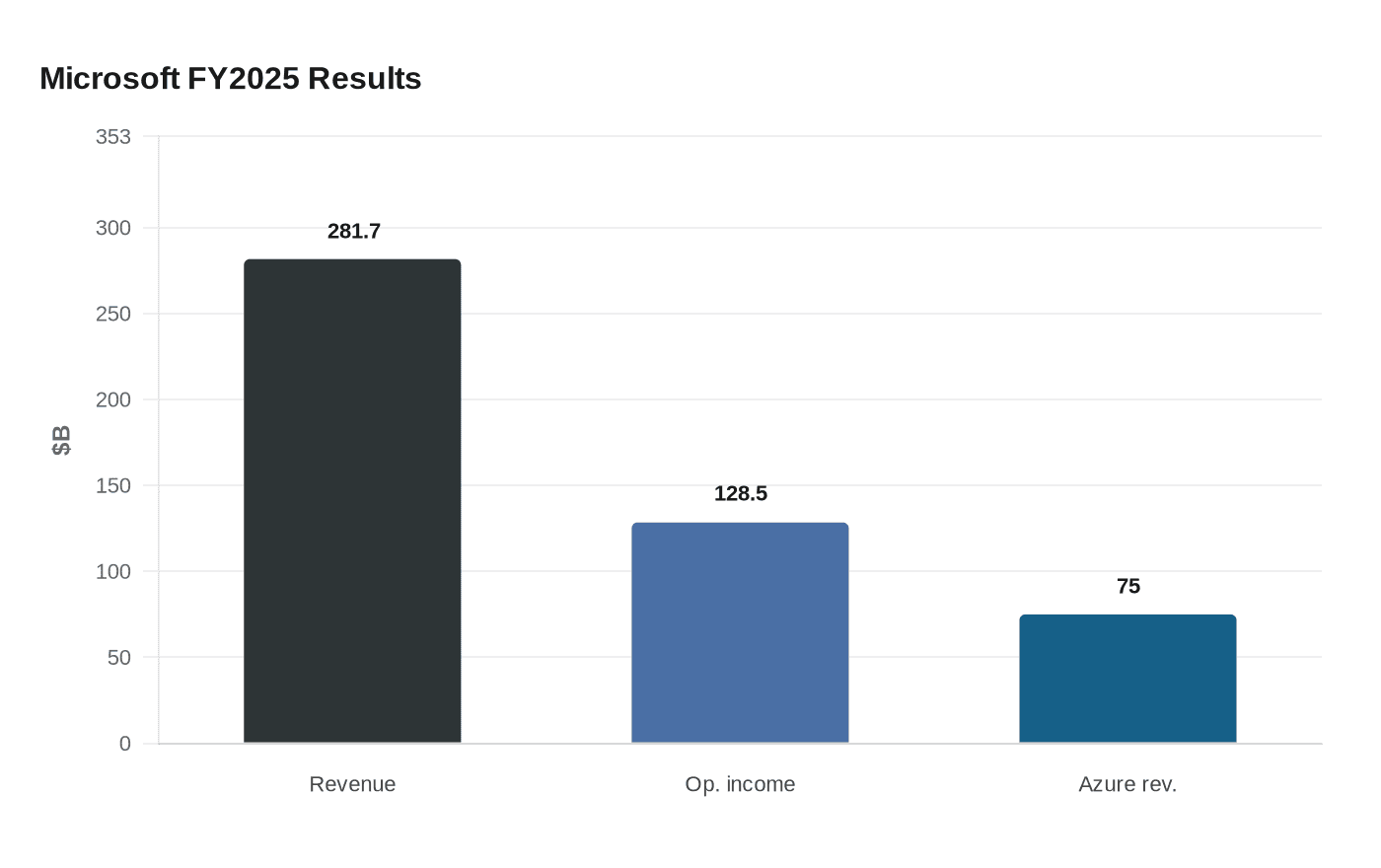
The retirement window sits inside a much bigger financial story. Microsoft said in its 2025 annual report that it will keep spending on capital expenditures to support cloud growth and AI infrastructure and training. In fiscal 2025, the company reported revenue of $281.7 billion and operating income of $128.5 billion, while Azure topped $75 billion in revenue for the first time. On its fiscal fourth-quarter earnings call, Microsoft told investors that first-quarter capital expenditures would be more than $30 billion, driven by demand and the continued buildout of AI infrastructure. The message is clear: the company is not pulling back. It is reprioritizing.
That matters for Nintendo staff because the biggest tech companies are still reshuffling their workforces around AI spending, even when they are not announcing layoffs. For engineers, product managers, data specialists and infrastructure workers, Microsoft’s move reinforces what the labor market has looked like for more than a year now: mature tech companies are using buyouts, selective hiring restraint and restructuring to redirect money toward long-term platform bets. For experienced people in games, that creates a strange mix of opportunity and risk. Some seasoned workers may eventually come back into the market, but the near-term effect is uncertainty, especially for anyone weighing a jump between game development and broader tech.
It also shows why Nintendo should not read Microsoft as a simple template. Nintendo’s business is built around a different rhythm, one that prizes quality control, franchise stewardship and development discipline over the scale of cloud and enterprise spending. Still, the external market matters. Compensation expectations, retention battles and workforce planning do not stop at the edge of a game studio, and a company like Microsoft can move the market even when its products have little direct overlap with Mario or Zelda.
Leadership changes add another layer. CNBC reported that Rajesh Jha, Microsoft’s top Office executive, is retiring after more than 35 years, and that Phil Spencer will retire after 38 years, with Asha Sharma taking over the gaming division. Taken together, the retirements and the buyout program look less like isolated personnel news than a broader reset: Microsoft is making room at the top, making room in the middle and protecting the AI spend underneath it.
Know something we missed? Have a correction or additional information?
Submit a Tip