Microsoft updates Visual Studio 2026, easing development for Nintendo teams
Microsoft’s June Visual Studio 2026 update centers on small workflow gains, from a new theme colors page to Copilot agent mode, with clear stakes for Nintendo’s tools teams.
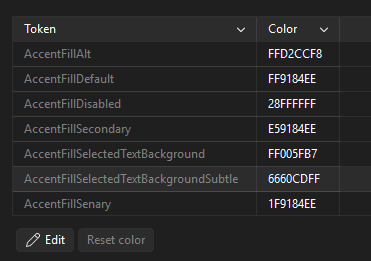
Microsoft’s June Visual Studio 2026 update lands less like a splashy redesign than a series of small cuts to daily friction. Released June 9, the build adds a new theme colors page, leans into a newer semantic token-based color system, and pushes harder on GitHub Copilot agent mode, changes that matter most inside long-lived codebases where engineers spend hours in the same IDE.
For Nintendo, that kind of maintenance work is not cosmetic. The company’s system-development teams build operating systems, device drivers, system modules, SDKs, compilers, debuggers, firmware, hardware evaluation programs, and the tools that sit around them. Nintendo says that work exists to provide the software environment developers need to work efficiently, which is exactly why editor stability, accessibility, and predictable behavior matter when game teams are trying to protect quality across gameplay, engine, tooling, networking, and platform layers.

Microsoft says the update marks a new phase for Visual Studio, with deeper AI integration, stronger fundamentals, and improved performance. The new theme system is meant to make color maintenance easier and the IDE more consistent, while also improving accessibility. For teams that live inside complex projects, the value is not in the visual polish itself but in removing one more reason for the environment to get in the way of the code.
The bigger shift is Copilot agent mode. Microsoft says a developer can give Visual Studio a natural-language task and have the agent determine the steps, edit code, run terminal commands, invoke tools, and then iterate based on build results or test failures. That makes AI less of a side experiment and more of a standard part of the workflow, which raises the stakes for build systems, code review, and onboarding. Nintendo teams will have to decide where AI suggestions help, where they can introduce risk, and how to train engineers not to overtrust generated code.

That matters in a company built around long product cycles and exacting standards. Nintendo’s developer portal supports native C++ development, and registration plus tool access are free, a reminder that its ecosystem depends on getting the toolchain right for outside partners and internal developers alike. In that context, Microsoft’s update reads as incremental productivity work, the kind that rarely gets the headline but can quietly save time, reduce mental overhead, and keep shared workflows moving across Japan and regional teams.
This article was produced by Prism’s automated news system from verified source data, official records, and press releases, then run through automated quality and moderation checks before publishing. The system is built and supervised by the people who set the standards it runs under. Read our full AI policy.
Did this article answer your question?
