Nintendo Analyst Warns Japan Switch 2 Loses $160 Per Unit Sold
Toyo Securities analyst Hideki Yasuda estimates Nintendo loses ¥25,000 (~$160) on every Japan-only, region-locked Switch 2 sold at 49,980 yen.
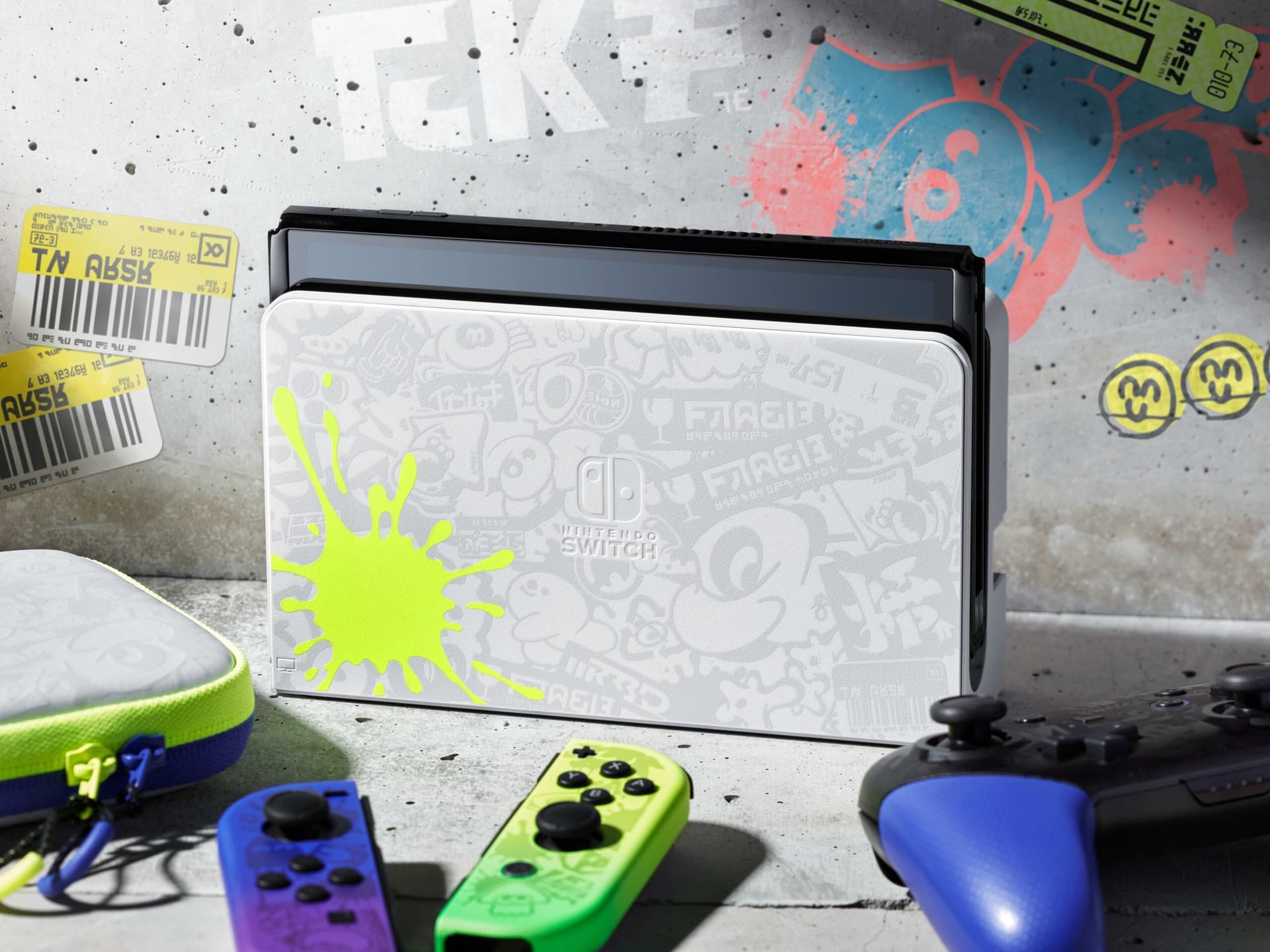
Nintendo is selling its cheaper, Japan-only Switch 2 at a loss of roughly ¥25,000 per unit, or about $160, according to Toyo Securities analyst Hideki Yasuda, who reached that figure by combing through Nintendo's most recent financial results and comparing revenue data across regions.
The Japan-only model, priced at 49,980 yen (approximately $343), is region-locked to Japanese-released titles and sold exclusively through brick-and-mortar retail. A second SKU, a non-region-locked multilingual version, is available through the My Nintendo Store for about $450. Yasuda says the cheaper model is the popular choice among Japanese consumers, and its dominance in Japan sales is precisely what's squeezing margins.
The math behind his estimate is straightforward. Yasuda puts total production cost at approximately $400 per unit, broken down as roughly $300 for semiconductors including Nvidia's GPU and memory (prices for which, he notes, have recently surged), over $80 for the battery and casing, and additional unspecified manufacturing fees. Against an assumed wholesale price to retailers of about ¥41,000, that leaves a loss of roughly ¥25,000 on every unit shipped to a Japanese store shelf.
Nintendo's most recent quarterly results give Yasuda's analysis its broader context. In the third quarter of the fiscal year ending March 2026, Nintendo posted revenue growth of 99.3% year-on-year and operating profit growth of 21.3%. Yasuda's concern is the gap between those two numbers: profit margins are growing far slower than sales because a disproportionate share of Switch 2 hardware moving in Japan carries that per-unit loss. Since launch, 4.78 million Switch 2 consoles have sold in Japan, making the cumulative margin impact significant.
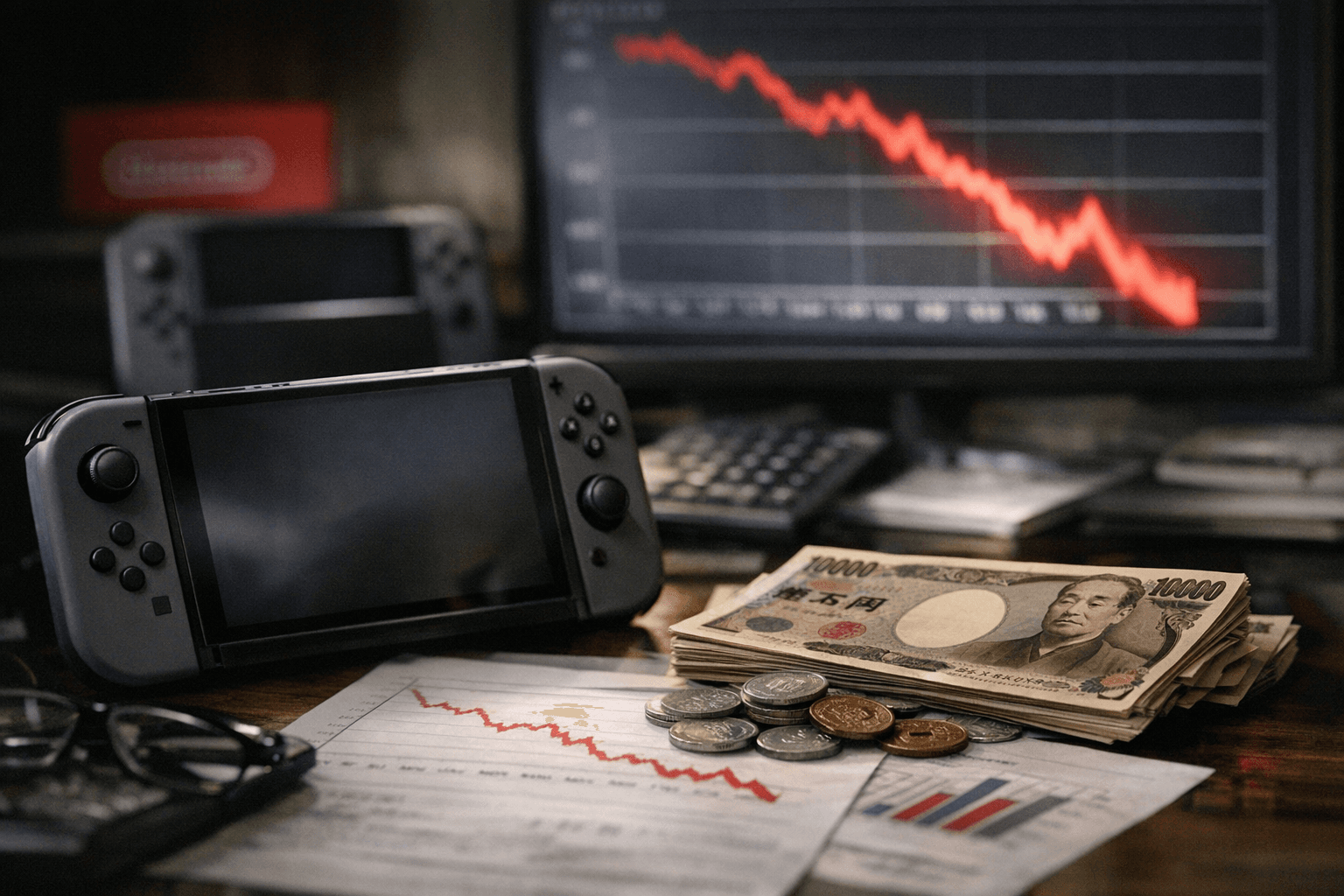
A compounding factor is Japan's lower software attach rate relative to Europe and the Americas. Console makers routinely accept hardware losses when robust software sales offset them; fewer games sold per console in Japan narrows that path to recovery.
Nintendo's decision to offer the cheaper SKU was a deliberate affordability play, shaped by Japan's weak currency and ongoing inflation. The strategy has clearly moved hardware. Whether it can be sustained financially is Yasuda's central question. He warns that Nintendo faces "profitability deteriorating further with every console sold" under current conditions, and recommends the company either raise the console's price at some point or release "custom design models" to improve the Switch 2's profitability.
Nintendo has not publicly confirmed Yasuda's production cost estimates, the ¥41,000 wholesale assumption, or the resulting loss figure. All calculations originate with Yasuda and Toyo Securities, and Nintendo has not been reported as responding to the analysis.
Know something we missed? Have a correction or additional information?
Submit a Tip