Nintendo Australia explains why IP protection matters to its games
Nintendo Australia’s IP notice is a day-to-day guardrail: it ties brand protection to years of creative work, global enforcement, and costly mistakes.
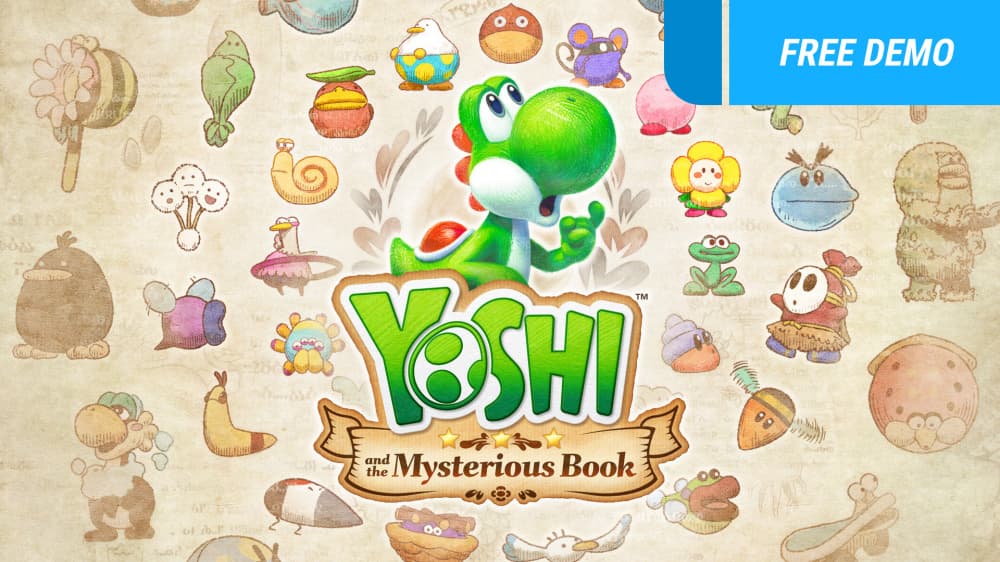
A single Nintendo game can take several years of work from developers, artists, animators, musicians, motion capture artists, and many others. Nintendo Australia’s intellectual property notice is a practical reminder that brand use decisions affect production schedules, compliance risk, and how quickly a campaign can become rework.
Why the notice matters to daily work
Nintendo Australia’s intellectual property section answers questions about the company’s rights and its response to infringement. It puts protection in the same conversation as development, art, audio, and production, where the real work happens. Nintendo Australia says the business behind those games is multi-billion dollar in scale, with millions spent to develop, manufacture, market, and distribute each title.
For employees, IP policy is not a distant legal concept. It is part of protecting the long build cycles, the quality standards, and the franchise legacy that define Nintendo’s culture. If a teaser image, social post, reseller asset, or partnership deck reuses something without the right clearance, the problem is not only legal. It can delay launches, force design changes, and undercut the careful presentation that Nintendo’s teams are expected to maintain.
Where fan enthusiasm becomes a compliance issue
The clearest signal in the Australia notice is that fan passion does not automatically create permission. Reusing assets, distributing modified materials, or commercially exploiting Nintendo characters and worlds can cross the line even when the intent is celebratory. That matters for community managers who are fielding fan requests, for marketers who want to amplify user enthusiasm, and for licensing teams who are sorting approved collaboration from unauthorized use.
In practice, the safest approach is to treat fan-made content as separate from company-approved content until a rights review says otherwise. That is especially important when materials cross borders, platforms, or reseller channels, because a local approval does not guarantee that another market, storefront, or partner arrangement will accept the same use.
- character art, logos, and screenshots used in official posts without clearance
- modified promotional assets that are shared as if they were approved marketing files
- partner materials that blur the line between collaboration and endorsement
- commercial use of Nintendo worlds or characters in merchandise, events, or promotions
A few common risk points deserve fast escalation:
Nintendo’s enforcement posture is global, not local
The Australia page fits into a wider rights-management system. Nintendo Support in the United States has an Intellectual Property and Piracy FAQ tied to its IP Enforcement Program, while Nintendo’s UK site has a separate Intellectual Property Enforcement Program page. Nintendo Support in the United States also hosts an Intellectual Property Policy page, and Nintendo Support in the Philippines includes intellectual property notices for Nintendo Switch 2 and the Nintendo Switch family.
A campaign, localization package, or licensed initiative may move through several offices before it reaches players, and each stop needs to survive the same basic question: is this an approved use of Nintendo’s intellectual property, or is it drifting into unauthorized territory? For teams balancing Japan-based standards with regional execution, that consistency reduces the chance of a campaign being cleared in one market only to be challenged in another.
Why old fan-project history still shapes new decisions
Nintendo’s hard line is not new. In 2021, Nintendo issued a mass DMCA takedown that removed 379 fan-made games. Business Insider documented in August 2016 multiple fan projects Nintendo had shut down. Greg Lastowka wrote in 2013 about Nintendo’s monetization and control of user-generated content on YouTube, including Let’s Play videos.
The company has also used formal litigation when it sees a broader threat. In June 2024, Nintendo of America filed a lawsuit in federal court in Seattle against James C. Williams, also known as Archbox, alleging copyright infringement, contributory copyright infringement, inducement, and anti-circumvention-related claims tied to pirated Nintendo Switch games. That enforcement posture was also the subject of a July 6, 2024 YouTube video titled Nintendo Promises To TAKEDOWN Any Nintendo Fan-Made Project Thats Inappropriate.
What employees should take away before anything ships
For staff working close to the brand, the safest workflow is to build rights checks into the creative process early, not after approval has already moved too far. If a project uses Nintendo artwork, characters, logos, modded assets, or fan-generated material, it needs a rights review before it reaches partners, communities, or customers. If a proposal depends on a fan collaboration, a cross-border launch, or a licensing extension into merchandise or media, the clearance question should be raised at the first draft, not at final sign-off.
This article was produced by Prism’s automated news system from verified source data, official records, and press releases, then run through automated quality and moderation checks before publishing. The system is built and supervised by the people who set the standards it runs under. Read our full AI policy.
Did this article answer your question?