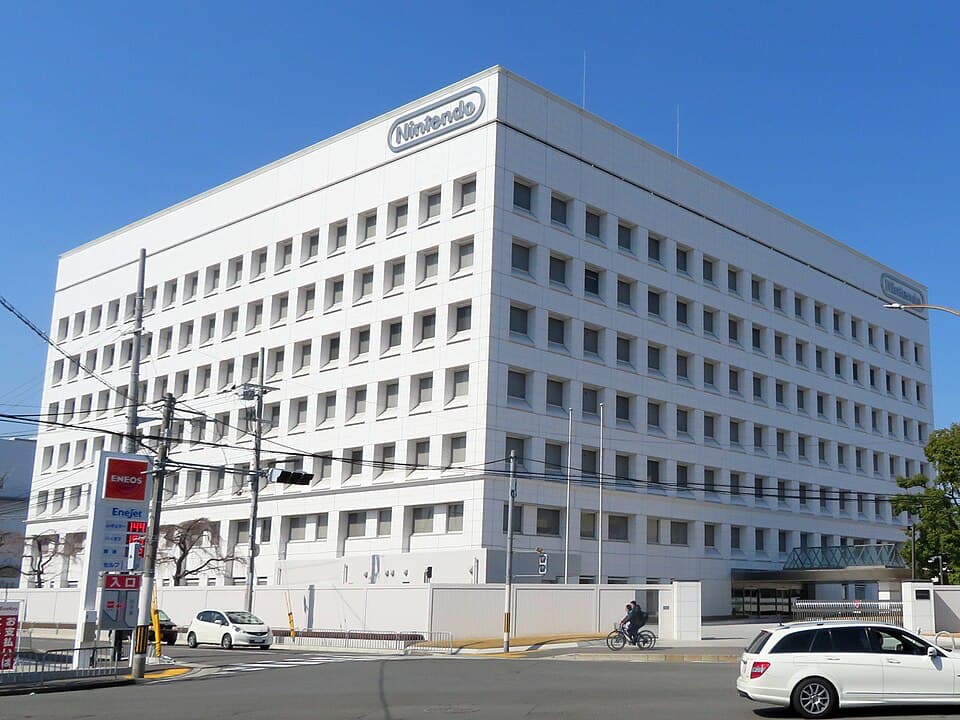
Nintendo balances hybrid work, collaboration, and employee support across regions
Sixty percent of employers still offer hybrid work, putting Nintendo’s managers on the hook to balance collaboration, fairness, and support across Japan and North America.

Hybrid work is now a management test, not a perk
Sixty percent of employers still offer some form of hybrid work, a reminder that flexibility has not disappeared even as return-to-office pressure has grown. SHRM’s latest framing is blunt: hybrid and flexible work have entered a new phase, and the question for companies like Nintendo is no longer whether flexibility exists, but whether managers can run quality-driven teams without letting standards slip.
That matters inside Nintendo because the company’s culture pulls in more than one direction at once. In Japan, the company emphasizes face-to-face collaboration and a work environment that supports each employee. In North America, Nintendo of America stresses inclusion, learning, and employee support, while still tying its work to the wider franchise machine that connects Nintendo Co., Ltd. with audiences across the Americas. The management challenge is not ideological. It is operational.
Nintendo’s regional model asks managers to do more than approve schedules
Nintendo’s people-and-culture messaging in North America highlights employee resource groups that foster an inclusive workplace, while its CSR materials say Nintendo of America continues to provide both virtual and in-person learning and engagement opportunities. It also offers a self-serve online education platform with optional video courses taught by industry experts in software, creative, and other business fields. That combination tells managers something important: flexibility is not being treated as a free-for-all. It is being wrapped around development, learning, and team cohesion.
In Japan, the company’s CSR reporting says Nintendo wants to create a work environment that supports and empowers each employee, and that its policies are introduced to new employees as part of training. That matters because hybrid work only functions when expectations are explicit. If a designer, QA tester, localizer, or business lead does not know when they are expected to be available, how decisions are made, or what has to happen in person, the flexibility becomes friction.
The real skill set is clarity
For Nintendo team leads, the useful hybrid skills are practical, not abstract. Clear decision rights keep creative work moving when people are split between home, office, and different time zones. Meeting discipline keeps collaboration from turning into calendar sprawl. Fairness keeps hybrid from becoming a status system where some employees get flexibility and others get visibility but less control over their day.
That is especially important in a quality-first organization. Nintendo’s franchises carry long legacy expectations, which means teams cannot afford to lose speed in approvals or precision in handoffs. Managers need to decide what genuinely requires synchronous collaboration, what benefits from deep solo focus, and what should be documented so that someone in another office, shift, or region can pick it up without a loss of context. Flexibility works best when it is designed around output, not habit.
Japan’s office culture is still pulling hard in the other direction
CBRE’s 2025 Japan office survey shows how strong the office pull remains. Most managerial respondents prefer full-time office attendance, and nationwide office attendance in Japan was 72.2% in the July 2025 survey. At the same time, employees across all generations want to reduce their office attendance frequency in the future. That split is the pressure point for employers, including Nintendo, because it shows that managers and staff are not reading the same labor market signals.
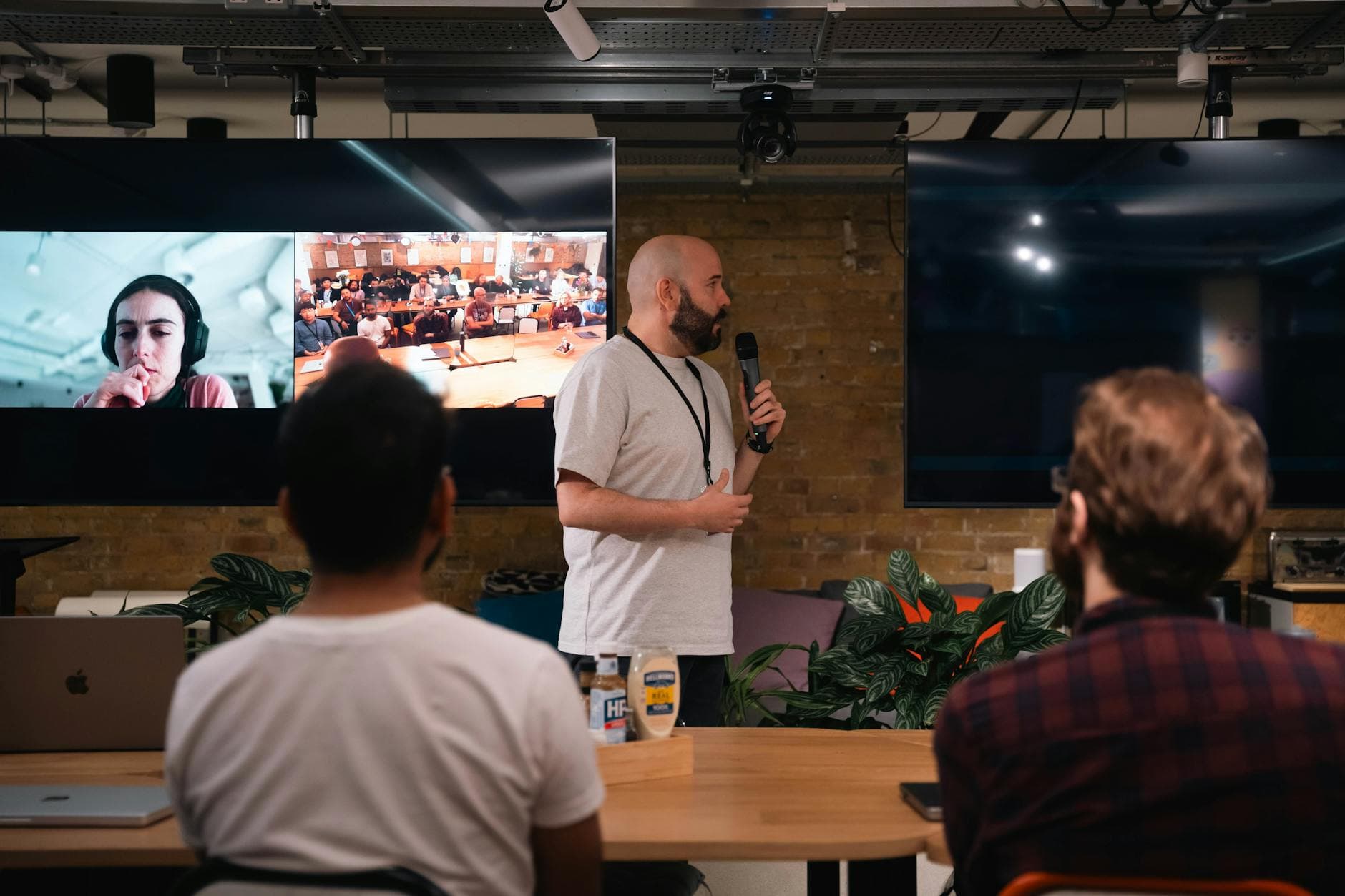
CBRE also identifies securing human resources as the top business risk cited in the survey. That is the part leaders cannot ignore. In a tighter labor market, a rigid attendance culture can become a recruiting and retention problem, particularly for employees who weigh commute time, caregiving, and focus work as part of the job. For Nintendo, the lesson is not that in-person work is obsolete. It is that insisting on presence without a clear reason can make it harder to keep the talent needed for demanding creative and operational work.
Fairness is the pressure valve
Hybrid systems can fail quietly when one group gets flexibility and another group gets constant visibility obligations. If managers let that happen, resentment spreads fast. A producer who can work from home two days a week while a QA team is always on-site for hardware testing, or a coordinator who must cover recurring late meetings because of time zone gaps, will notice whether the burden is being shared evenly.
Nintendo’s cross-regional structure makes this especially sensitive. Japan headquarters and North American teams do not simply duplicate one another’s work; they depend on different rhythms, different local expectations, and different support systems. The practical answer is not to force a single office rule onto every team. It is to make the rules visible, justify the exceptions, and rotate inconvenience where possible so flexibility does not become a privilege attached to title or location.
Employee support still has to be real
Nintendo’s employee support messaging is more than a cultural flourish if managers take it seriously. In North America, annual training on the Code of Business Conduct signals that compliance and accountability remain part of the employee experience, not just a legal backstop. In Japan, the Partnership System introduced in March 2021 for employees in domestic same-sex partnerships shows that benefits and recognition also matter in how the company defines support.
Those policies are not separate from hybrid work. They shape whether employees believe the company is designing work around human realities or just moving people between desks and video calls. Support for caregiving, commuting, and focus time is not a soft issue in a business built on precision and long development cycles. It is part of how teams avoid burnout, keep people engaged, and reduce the hidden costs of turnover.
What managers at Nintendo should take from the data
SHRM’s research offers Nintendo a useful baseline: flexibility still matters to employers and employees, and it remains a differentiator even after the pandemic-era scramble has faded. The company’s own materials show that it already operates with a mix of in-person collaboration, virtual learning, employee resource groups, and conduct training. CBRE’s Japan data adds the market reality that leaders cannot manage by instinct alone.
The best hybrid systems at Nintendo will probably not look dramatic from the outside. They will look orderly: core hours that people can rely on, meeting norms that protect focus work, documentation that makes cross-office handoffs cleaner, and decision rights that keep creative work moving without endless escalation. In an industry where quality is the brand, that is not a compromise. It is how the work gets done without wasting the people doing it.
This article was produced by Prism’s automated news system from verified source data, official records, and press releases, then run through automated quality and moderation checks before publishing. The system is built and supervised by the people who set the standards it runs under. Read our full AI policy.
Did this article answer your question?