Nintendo brings Pictonico to iOS and Android with photo-based mini games
Pictonico pushes Nintendo deeper into mobile work, where privacy checks, live-service support and IP strategy matter as much as game design.
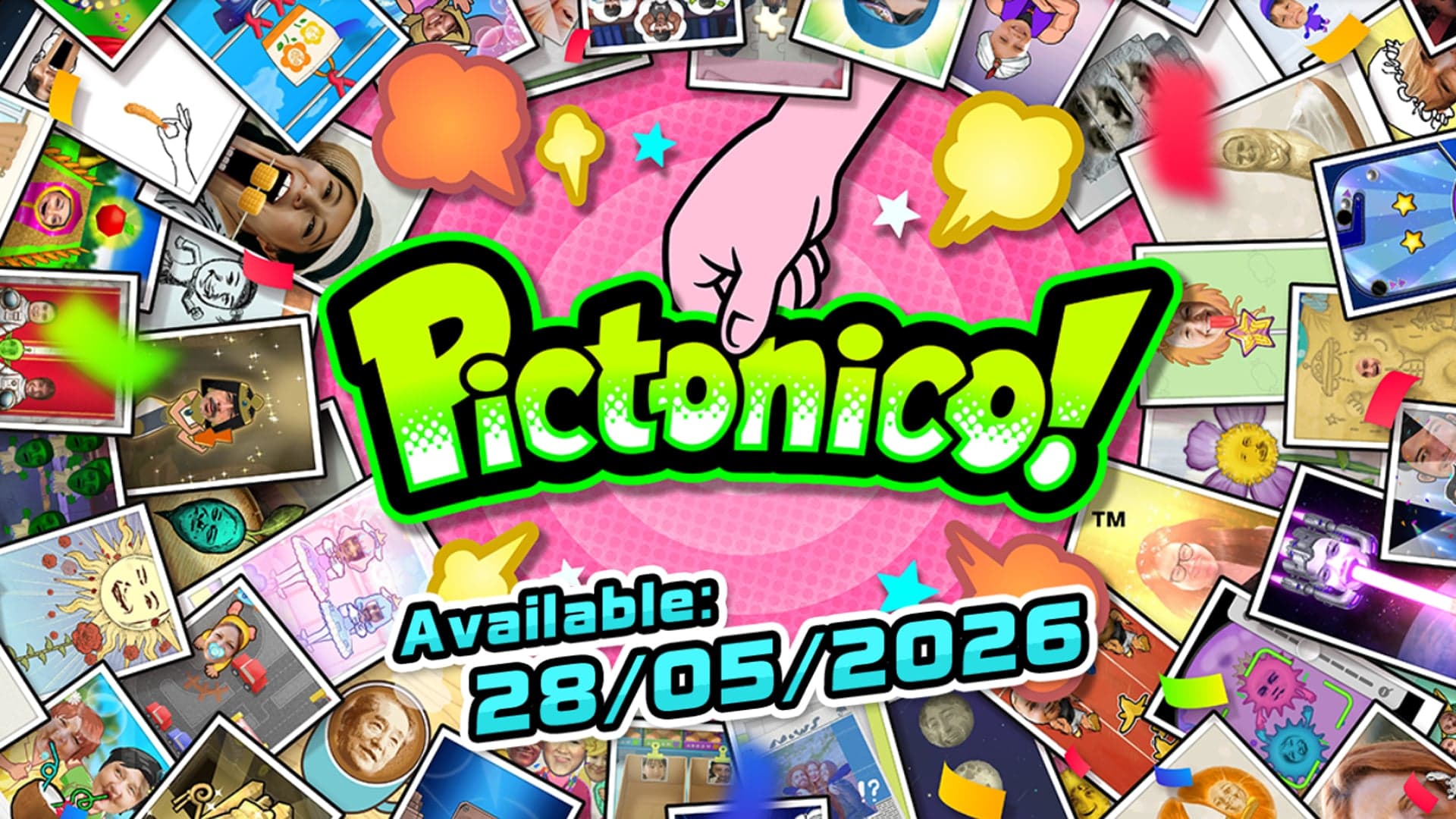
Nintendo is using Pictonico to push its characters and brand into a more personal mobile format, and the workplace story is bigger than a novelty app. The company said the free-to-start game will arrive on iOS and Android on May 28, with players turning photos from their gallery or new shots into mini games starring themselves, friends and family. Nintendo also said the game will include optional in-game purchases and as many as 80 games across purchasable Volumes.
For Nintendo’s teams, Pictonico looks like a cross-functional product from the start. It is co-developed with Intelligent Systems, but it also needs the kind of coordination that does not always sit at the center of a console release cycle: mobile-first UX, age-appropriate design, localization, legal review, and live-service planning. Nintendo said players can only take photos of people who have given permission, that photos are not sent to Nintendo, and that a constant online connection is not required, though first launch and Volume purchases may need temporary network access. Those are the kinds of details that show how much privacy and infrastructure thinking now sits inside a seemingly playful release.

The broader significance is that Nintendo continues to treat mobile and IP-related work as a real business line, not a side experiment. In fiscal 2025, the company said mobile, IP-related income and other related revenue totaled 67.6 billion yen, down from 92.7 billion yen in fiscal 2024. That kind of revenue does not replace the Switch business, but it does signal why Nintendo keeps investing in products that can widen its reach beyond premium boxed software and the console release calendar.
Shuntaro Furukawa has framed that shift plainly. In a February 2025 earnings Q&A, he said smart devices would play a “very important role” in increasing touchpoints beyond video games. Pictonico fits that strategy closely: it is built to be easy to sample, easy to share, and easy to connect back to Nintendo’s family-friendly identity.
It also follows a pattern Nintendo has been building for years, from Miitomo and Super Mario Run to Fire Emblem Heroes, Animal Crossing: Pocket Camp and Mario Kart Tour. The through line is not that Nintendo is chasing every mobile trend. It is that the company keeps testing how far its IP can travel, and that means more work for the people who can turn brand protection, mobile design and recurring content support into one coherent product.
This article was produced by Prism’s automated news system from verified source data, official records, and press releases, then run through automated quality and moderation checks before publishing. The system is built and supervised by the people who set the standards it runs under. Read our full AI policy.
Did this article answer your question?
