Nintendo careers page reveals broad, cross-media mission, from games to theme parks
Nintendo of America is selling more than jobs. Its careers page casts the company as a hub for games, hardware, film, and theme park experiences.
Nintendo of America’s careers pitch is bigger than hiring
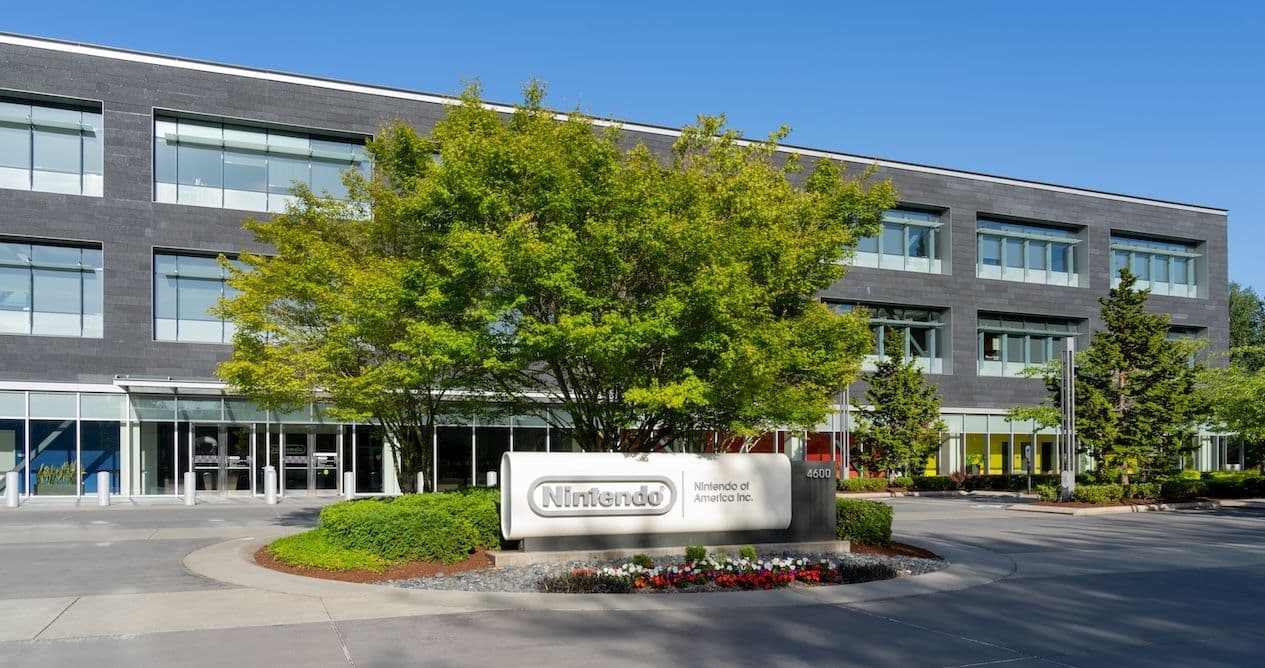
Nintendo of America’s careers page is doing more than recruiting. It is presenting the company as a coordination hub for everything Nintendo now touches in North America, from games and hardware to film tie-ins and theme park experiences.
That framing matters because it tells candidates what kind of workplace they are joining. For developers, designers, QA testers, localization staff, and business teams, the message is not that NOA is a regional sales outpost. It is that Redmond is one of the places where Nintendo’s brands are shaped across multiple entertainment formats at once.
A North American headquarters with a wider job than sales
Nintendo of America says it is based in Redmond, Washington, and serves as headquarters for Nintendo’s operations in the Americas. That alone signals a sizable operational role, but the careers page goes further by describing close work with Nintendo Co., Ltd. to bring franchises across the region through video games, hardware systems, and collaborations tied to feature films and theme parks.
That wording is a clue to how the work is organized. In a smaller company, those functions might sit in separate silos. At Nintendo, the careers message suggests they are interconnected, which raises the stakes for teams handling brand stewardship, consumer products, legal review, corporate communications, live-events support, and alliance management.
For employees, that can change the rhythm of the job. A release plan for a game may now overlap with a licensing decision, a hardware campaign, a park promotion, or a film rollout. The page is effectively telling applicants that collaboration is not a support function at Nintendo. It is the operating model.
The culture message is part of the strategy
Nintendo’s careers language leans into a workplace environment built around a celebration of both work and play. That is a familiar recruitment theme, but it fits a company that has long tried to project seriousness without the stiffness that often comes with legacy brands.
For internal teams, that balance matters. Nintendo’s quality-first reputation means the work still has to meet high standards, but the company also wants employees to feel they are contributing to something playful, not merely process-heavy. In practice, that can reward people who can move comfortably between creative judgment and corporate discipline.
The career framing also tells outside candidates something important about expectation setting. Nintendo appears to want people who can think beyond one platform or one department. The business is asking employees to help protect a brand while also extending it into new formats, which is a different mindset from working at a traditional publisher.
The cross-media story is already visible in the business
The careers page is not inventing a new identity. Nintendo has already spent years building one. In 2016, Nintendo announced a global partnership with Universal Parks & Resorts for Nintendo-themed areas in Universal theme parks. That partnership turned into visible proof of concept when SUPER NINTENDO WORLD opened at Universal Studios Hollywood on February 17, 2023.
Nintendo then said the land would come to Universal Epic Universe in 2025, including Donkey Kong Country in the U.S. for the first time. For workers inside Nintendo, that kind of expansion matters because it pushes the company beyond one-off promotions and into long-term experience design. It also creates more touchpoints where brand consistency has to be protected.
The film side shows the same pattern. In 2025, Nintendo and Illumination announced that the next animated Super Mario film would be titled The Super Mario Galaxy Movie and would be released worldwide by Universal Pictures beginning April 3, 2026. Nintendo also said The Super Mario Bros. Movie earned more than $1.3 billion worldwide, a number that explains why film is now part of the company’s business language rather than just a side project.
That scale changes internal priorities. When a Nintendo property can live in a console game, a cinema release, and a theme park land, the company needs people who understand how one version of Mario, Donkey Kong, or another franchise asset affects the others. That is a brand management challenge as much as a creative one.
Why the scale matters to employees
Nintendo says it has sold more than 5.6 billion video games and over 800 million hardware units globally. Those are not the numbers of a narrow entertainment business. They describe a company whose audience is large enough that every public-facing decision can have ripple effects across products, retail, partnerships, and live experiences.
That is why the careers page reads like a strategy statement. It signals that the company expects employees to work at the intersection of software, hardware, licensing, media, and place-based entertainment. A marketing manager may need to think like a franchise steward. A product lead may need to understand how a launch aligns with a movie window. A localization team may need to preserve tone across a game and a brand collaboration.
The practical effect is that success at Nintendo likely depends on alignment as much as output. Teams have to move in step with one another because the company is not managing separate businesses anymore. It is managing one identity across multiple stages.
From Kyoto cards to a global entertainment business
Nintendo’s broader corporate history makes that evolution easier to understand. The company says it began in 1889 making hanafuda playing cards in Kyoto, and its own corporate language now describes it as sharing characters, ideas, and worlds through video games and the entertainment industry.
That arc is the context behind the careers page. The company has reinvented itself before, and today it is asking employees to help carry a single set of brands across a much wider map. For workers in Redmond and across Nintendo’s Americas operation, the message is clear: the job is not only to make games and support hardware, but to help manage how Nintendo shows up everywhere its audience meets it.
In that sense, the careers page is less a hiring brochure than a blueprint for the company’s next phase.
This article was produced by Prism’s automated news system from verified source data, official records, and press releases, then run through automated quality and moderation checks before publishing. The system is built and supervised by the people who set the standards it runs under. Read our full AI policy.
Did this article answer your question?