Nintendo could win Palworld lawsuit, but damages may be just $30,000
Nintendo could collect only about $30,000 if it wins the Palworld case. The real fight is over precedent, not payout.
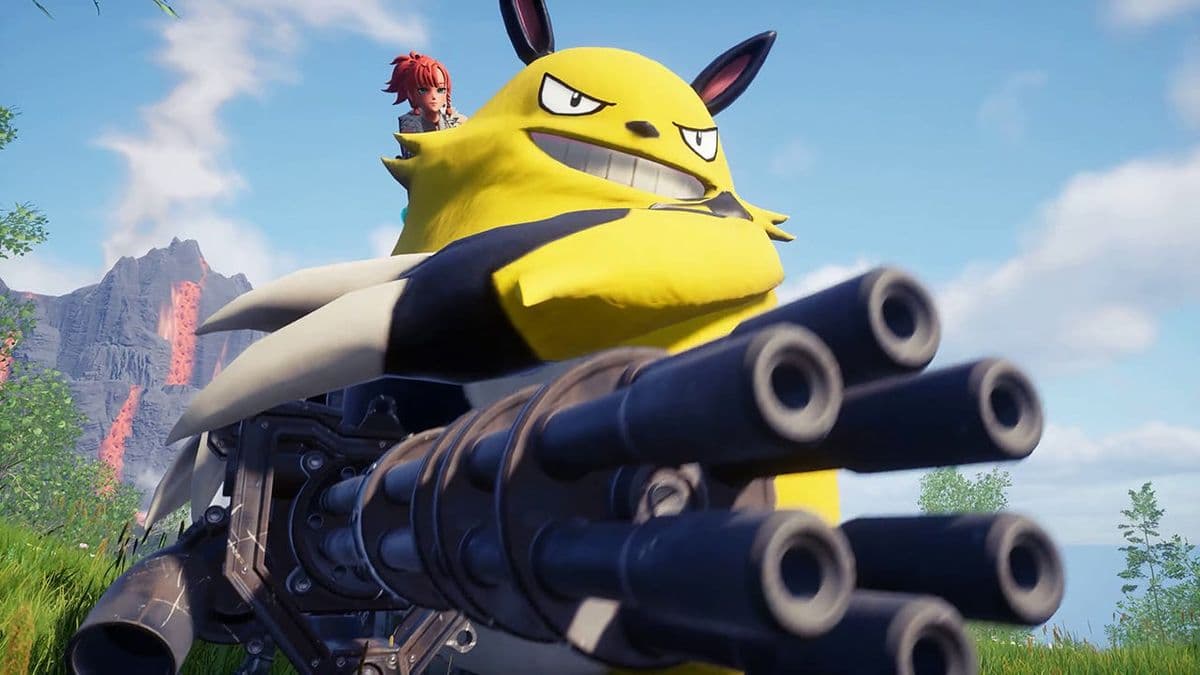
Nintendo may spend years fighting Pocketpair and still walk away with only about $30,000 in damages. That is why the Palworld case is less about the check and more about whether Nintendo and The Pokémon Company can draw a hard legal boundary around creature-capture mechanics that look and feel close to Pokémon.
Nintendo and The Pokémon Company filed the patent infringement suit in the Tokyo District Court on September 18, 2024, saying they wanted an injunction and compensation for damages. Pocketpair said the complaint covers three patents and that the plaintiffs were seeking 5 million yen each from Nintendo and The Pokémon Company, for a total claim of 10 million yen. The patents at issue were filed in 2024, after Palworld’s January 19, 2024 early-access launch, but they were derived from earlier Nintendo patents dating to 2021. Palworld quickly became a breakout hit, selling 8 million copies in six days and surpassing 25 million players in a month, which made the dispute a public test of how far Japanese patent law can reach when a hit game borrows heavily from an established genre.

The case has also shifted as Pocketpair changed the game. It removed Pal Sphere summoning in a November 2024 patch and later changed gliding mechanics in May 2025. That matters because later reporting says the dispute has been narrowed to older versions of Palworld and to Japanese sales only, which limits any realistic damages calculation. Gamesfray’s legal analysis, as summarized by VGC, says Nintendo’s maximum recovery would be JPY 5 million, or about $30,000, even if it cleared invalidity defenses, proved infringement, and proved damages. In practical terms, that makes the lawsuit a blunt instrument for deterrence rather than a revenue play.
For Nintendo employees, especially the developers and producers who spend years protecting franchise identity through mechanics, art direction, and QA, the point is bigger than a courtroom number. Nintendo said in its September 2024 statement that it would continue to protect its intellectual property rights, and this case shows what that protection can look like in practice: litigation aimed at defining how close a rival can get to Pokémon-style creature systems before the line becomes actionable. Pocketpair’s response follows the standard patent defense playbook, deny infringement, argue invalidity, and redesign around the claims. With Palworld version 1.0 set for July 10, the company is still moving the target while Nintendo tries to freeze a version of the game that is already changing.
This article was produced by Prism’s automated news system from verified source data, official records, and press releases, then run through automated quality and moderation checks before publishing. The system is built and supervised by the people who set the standards it runs under. Read our full AI policy.
Know something we missed? Have a correction or additional information?
Submit a Tip