Nintendo gains advantage as Microsoft weighs Xbox spinoff and layoffs
Nintendo's Switch 2 hit 19.86 million units by March 31 while Microsoft weighs an Xbox spinoff and layoffs, sharpening the contrast in platform economics.

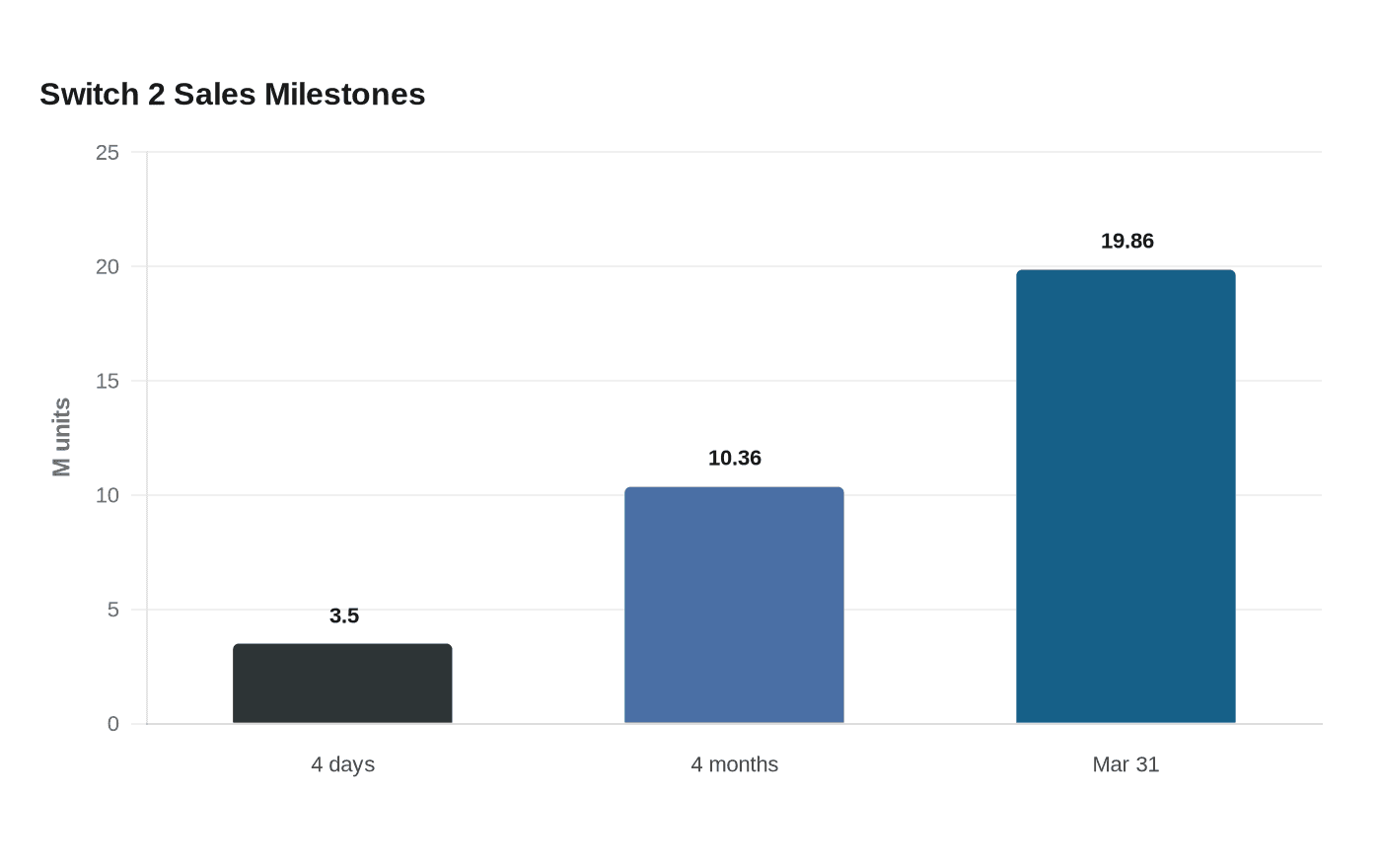
Nintendo's Switch 2 has given Kyoto a powerful current-generation platform, with hardware sales reaching 19.86 million units by March 31 after the system launched in the United States on June 5, 2025 at a suggested retail price of $449.99. Nintendo said the console sold more than 3.5 million units in its first four days and reached 10.36 million units in its first four months, even as the company raised Switch 2 prices last month amid a memory-chip price boom.
The market still wants more than hardware momentum. Nintendo shares fell 7.5% after the June Direct presentation on June 10, after the showcase came without titles from major franchises such as Super Mario. For employees watching release calendars, that reaction was a reminder that the company’s reputation for quality and control depends on a steady software cadence as much as on unit sales.
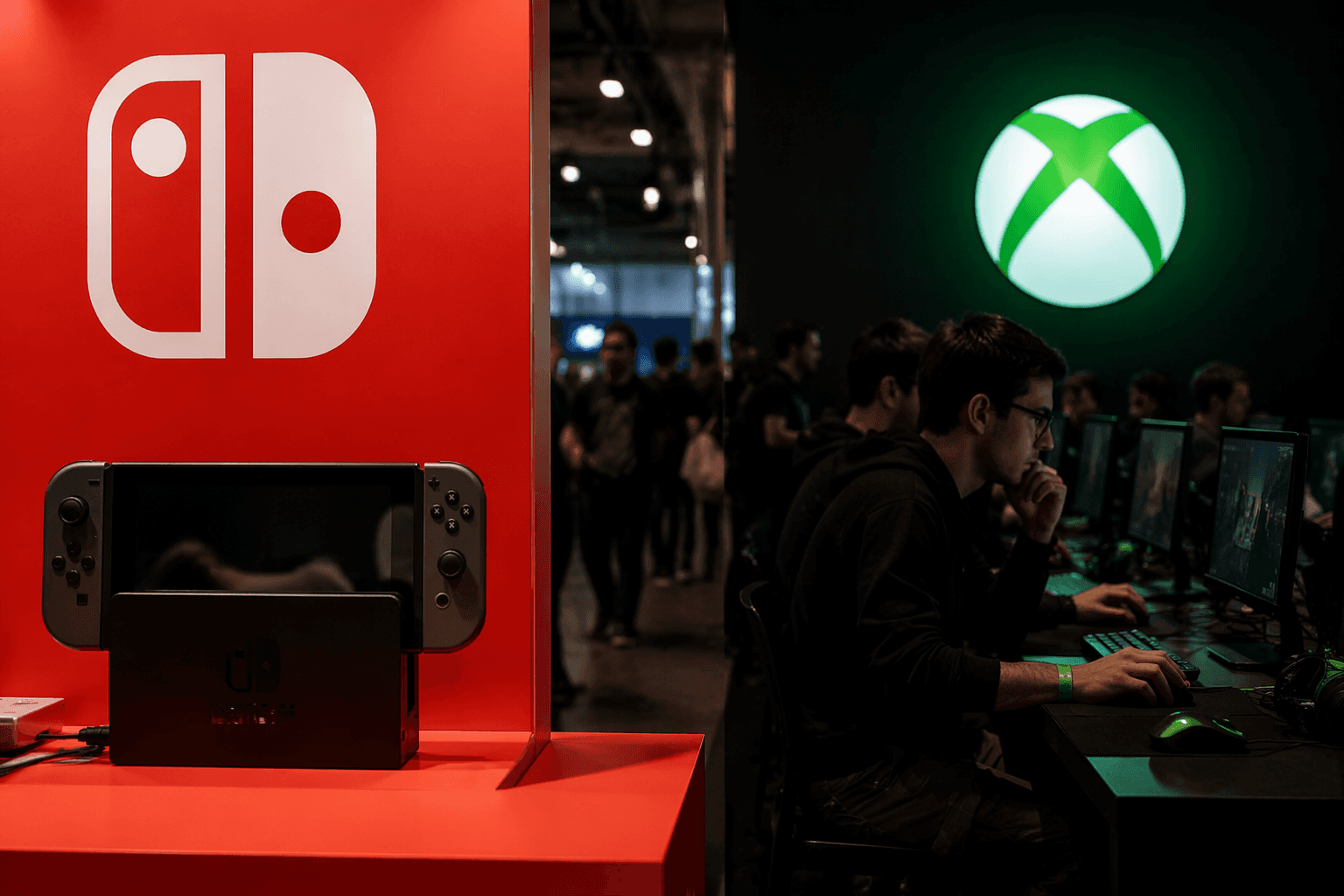
That pressure gives Microsoft’s latest Xbox move added weight. Satya Nadella has argued that Xbox has been subsidized and needs to become a sustainable business, while Microsoft considers options that include a spinoff, a restructuring as a wholly owned subsidiary or a joint venture with other partners. The company is also preparing major layoffs next month and cutting marketing and other budgets as part of what is shaping up as a broader reset for the unit. Microsoft has already reported that Xbox content and services revenue fell 5% and Xbox hardware revenue dropped 33%, underscoring how sharply the division is being pushed to defend its economics.
For Nintendo developers, designers, QA teams and business staff, the relevance is not just competitive theater. If Microsoft changes its capital allocation or studio structure, publisher relationships, launch timing, subscription expectations and talent movement across the industry can all shift. That matters to producers planning milestones, to localization teams lining up release dates and to QA groups that have to absorb last-minute changes when platform strategy moves.
The larger lesson is about risk tolerance. Xbox appears to be under pressure to justify scale through subscriptions, cross-platform reach and leaner spending. Nintendo, by contrast, is still leaning on a clearer hardware-software-profit balance, one that can make its internal planning look steadier even when investors are pressing for more from the software pipeline. In a 2026 market where every platform holder is being asked to prove its model, that discipline is becoming a strategic advantage.
This article was produced by Prism’s automated news system from verified source data, official records, and press releases, then run through automated quality and moderation checks before publishing. The system is built and supervised by the people who set the standards it runs under. Read our full AI policy.
Know something we missed? Have a correction or additional information?
Submit a Tip