Nintendo hardware costs face squeeze as memory prices surge again
Memory prices are climbing fast enough to hit Switch 2 margins, supply plans and launch staffing as AI demand pulls chips toward data centers.
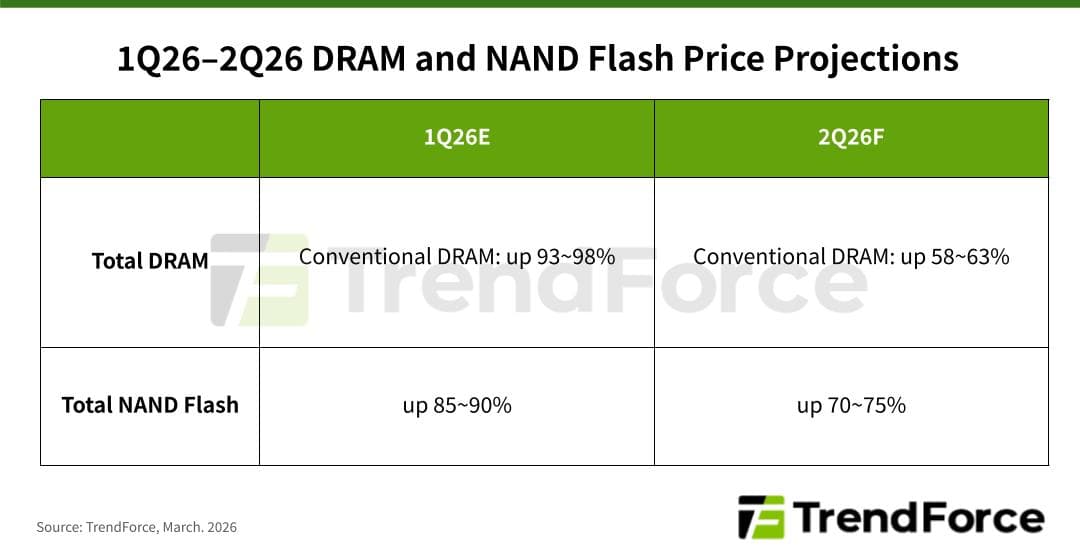
Nintendo’s hardware economics are getting tighter just as the Switch 2 ramps, and the pressure starts with memory. TrendForce said conventional DRAM contract prices rose 58 percent to 63 percent quarter over quarter in the second quarter of 2026, while NAND flash contract prices were expected to climb 70 percent to 75 percent. For Nintendo, that is not just a procurement problem. It cuts into hardware margins, complicates production planning and narrows the room to add staff around launch support and future output.
The squeeze is being driven by AI demand that is pulling capacity away from consumer electronics. TrendForce and DRAMeXchange said contract prices had surged more than 100 percent in the first half of 2026 as suppliers favored higher-value AI products such as HBM and advanced 3D NAND. The same shift is pushing major DRAM makers toward advanced nodes, tightening mature-process supply and forcing brands to downgrade to older consumer DRAM, which has already rippled shortages from DDR4 down to DDR2. TrendForce also said the move from AI training to inference is adding another layer of demand pressure across both DRAM and NAND.

That matters inside Nintendo’s hardware pipeline in practical ways. Every bill of materials line gets harder to manage when memory allocation is tight, from development kits and storage configurations to factory forecasts and regional SKU decisions. On the engineering side, higher memory costs can force tougher trade-offs in performance budgets and storage assumptions. On the operations side, they shape how many units are available for QA, localization testing and launch validation across markets at the same time. Even the timing of software and hardware coordination becomes harder when the company cannot assume memory supply will be steady from one quarter to the next.
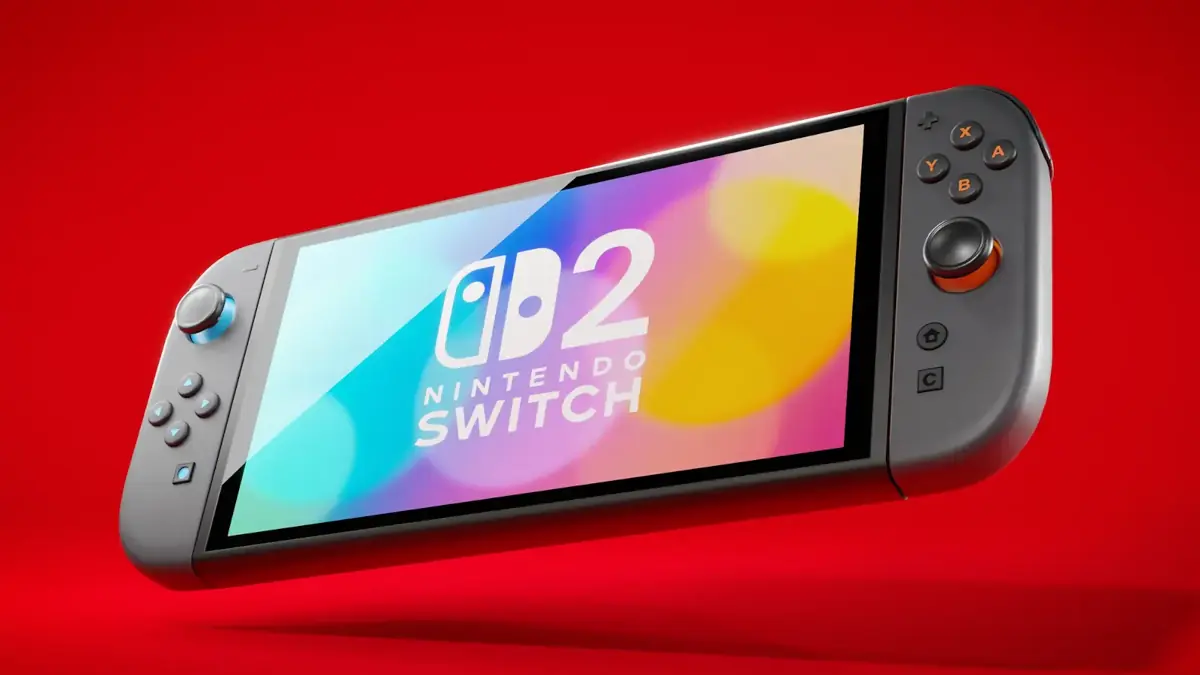
The Switch 2 makes the stakes concrete. Nintendo’s official tech specs list 256 GB of internal UFS storage and a custom processor made by NVIDIA, while industry reporting tied the platform to a 12 GB RAM configuration and a higher spec profile than the original Switch. TrendForce said the launch price premium stems from doubled memory capacity and higher component costs, and projected memory modules could account for 21 percent to 23 percent of Nintendo’s total hardware costs in 2026. Nintendo has already said rising component prices and tariffs would add about ¥100 billion to costs, and separate industry reporting said price increases were planned for Japan, the United States, Europe and Canada. For a company built around tight hardware economics and quality-first execution, memory is now a strategic constraint, not a line item.
This article was produced by Prism’s automated news system from verified source data, official records, and press releases, then run through automated quality and moderation checks before publishing. The system is built and supervised by the people who set the standards it runs under. Read our full AI policy.
Did this article answer your question?
