Nintendo hiring signals deeper focus on merchandising and inventory planning
Nintendo's hiring points to a retail machine beneath the game brand: planners now manage forecasting, inventory flow, and channel execution across the Americas.
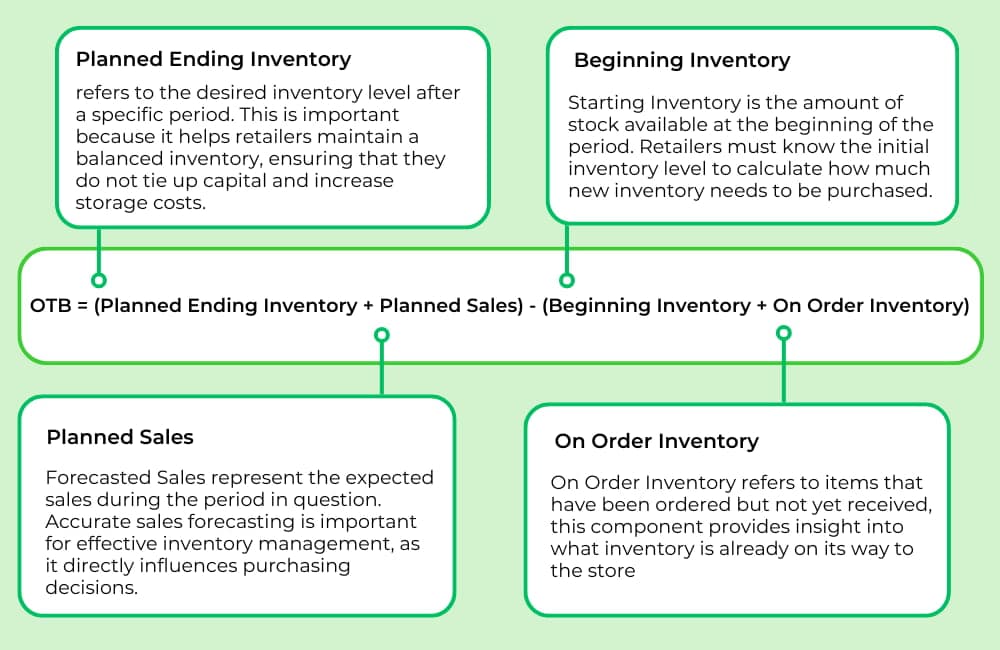
Nintendo’s latest merchandising hiring makes one thing clear: the company is not only selling games and hardware, it is running a much more sophisticated commerce operation behind the scenes. The Sr Merchandising Planner role centers on pre-season planning, in-season Open-to-Buy management, and end-of-life disposition, which means the job is about deciding what stays on the shelf, what gets pushed, and what gets cleared long before a customer ever sees a product page.
Merchandising at Nintendo now looks like operations
The planner’s remit goes well beyond arranging products for display. It owns category, subcategory, and item-level financial plans, uses financial acumen to analyze trends and manage risk, and is expected to optimize sales, margin, and inventory productivity. The posting also calls for partnership with merchandising and other cross-functional teams on promotions, liquidation strategies, process improvement, and product lifecycle readiness, while staying abreast of regulatory and trade impacts across Asia, North America, Central America, and South America.
That matters because it shows how much of Nintendo’s business depends on disciplined inventory decisions, not just creative hits. A game or accessory can launch with strong demand, but the commercial outcome still depends on whether the company can translate that demand into the right stock levels, the right promotional timing, and the right disposition for product that is aging out. For employees across product, planning, and marketing, this is the reminder that the company’s quality-first culture now extends into the mechanics of availability and sell-through.
The careers page shows a broader commerce stack
Nintendo of America’s careers page backs up that shift. Open roles include publisher developer relations, eShop, online merchandising, vendor management, supply chain, allocation, and merchandising, which places Nintendo squarely in the same operating territory as consumer goods, retail, and platform commerce. That mix suggests the company is not treating merchandising as a narrow retail function but as a core business discipline tied to discoverability, stock flow, and channel performance.
For business professionals inside Nintendo, that means careers can touch forecasting, assortment planning, promotional coordination, and channel execution. For developers and designers, it is a useful reminder that launch success is shaped by more than software quality or hardware appeal. If the commercial teams misread demand, miss a replenishment window, or mishandle a promotional cycle, even a strong product can feel absent from the market.
Nintendo.com is behaving like a storefront, not just a brand page
Nintendo’s own site shows how aggressively the company is merchandising across categories. The homepage features hardware, games, merchandise, an online store, and shipping offers, including free shipping on orders of $50 and over. It is also pushing featured merchandise tied to current fandom and collaborations, including Star Fox plushies and a Crocs x Super Mario collection coming on July 15, alongside a Nintendo Switch 2 bundle.
That presentation matters because it reveals how Nintendo is using its web presence to keep products in circulation year-round. The company is not relying solely on boxed game releases to drive interest; it is building a direct-to-consumer ecosystem where hardware, accessories, apparel, and character goods can all move through the same storefront. For employees working in merchandising and supply, that means the calendar now includes a steady stream of inventory decisions tied to both launches and evergreen brand moments.
The Switch 2 launch shows why inventory planning has become high stakes
The scale of that business is visible in the Nintendo Switch 2 launch. Nintendo said the system sold more than 3.5 million units worldwide in its first four days after the June 5, 2025 launch, and called it the fastest-selling Nintendo game system ever. Doug Bowser, Nintendo of America’s president and chief operating officer, framed the response as enthusiastic fan demand, which underscores how quickly a hardware launch can become a supply-and-fulfillment test.
For merchandising and supply-chain teams, a launch like that raises the pressure on forecasting, allocation, and replenishment. The first few days are only part of the story. A fast-selling system also creates follow-on demand for accessories, cases, amiibo, and software, which means inventory planning has to keep pace with the hardware cycle long after the initial spike fades.
The back office behind a Nintendo order looks like a full retail operation
Nintendo’s current hiring extends into the practical machinery that keeps goods moving. The company is recruiting for Supply Chain Analyst, Allocation Analyst, Principal, Vendor Management, and a contract Online Merchandising Specialist for Nintendo Stores. One vendor-management posting goes especially deep, referencing third-party logistics providers, EDI/API integration, warehouse management systems, ERP/TMS integration, quarterly business reviews, and inventory holding and fulfillment forecasting.
That list is the blueprint for an omnichannel operation. It points to direct-to-consumer fulfillment, retail order fulfillment, replenishment, clearance, reverse logistics, and KPI tracking, all of which require tight coordination between systems and people. The work is not glamorous, but it is what turns Nintendo products into something customers can actually find, order, receive, and replace across channels.
Compliance now sits inside merchandising and sourcing
Nintendo also publishes supply-chain transparency information that adds a compliance layer to these jobs. The company says suppliers must follow responsible human-rights and labor practices, and it prohibits forced labor in production partners. It also says it publishes its supply-chain efforts in accordance with Canada’s Fighting Against Forced Labour and Child Labour in Supply Chains Act.
That places sourcing and merchandising in the same conversation as compliance, not just cost and timing. For planners and vendor managers, the job is not simply to move product quickly. It is also to keep sourcing relationships and fulfillment practices aligned with the standards Nintendo says it expects from its supply base.
Nintendo’s scale explains the need for tighter planning
The company’s own corporate materials show the scale behind these roles. One set of materials says Nintendo has sold more than 5.6 billion video games and over 800 million hardware units globally. Another current corporate page says the company has sold more than 6 billion video games and over 870 million hardware units globally. The figures come from different update points, but both point to a company with an enormous installed base and a long tail of products that have to be managed carefully across lifecycle stages.
That scale also helps explain the regional structure behind the work. Nintendo of America is headquartered in Redmond, Washington, while Nintendo of Canada handles marketing, sales, and distribution of Nintendo hardware, accessories, and first-party games in Canada. Put together with the Sr Merchandising Planner’s focus on trade and regulatory impacts across Asia and the Americas, the picture is of a company whose commercial decisions now depend on a networked operation, not just on Kyoto-made products reaching store shelves.
This article was produced by Prism’s automated news system from verified source data, official records, and press releases, then run through automated quality and moderation checks before publishing. The system is built and supervised by the people who set the standards it runs under. Read our full AI policy.
Did this article answer your question?
