Nintendo hit with class-action suit over tariff refund claims
Nintendo customers say they paid inflated prices for Switch 2 accessories and older consoles, then were left out of tariff savings the company pursued for itself. The case could test pricing trust as Switch 2 rolls out.
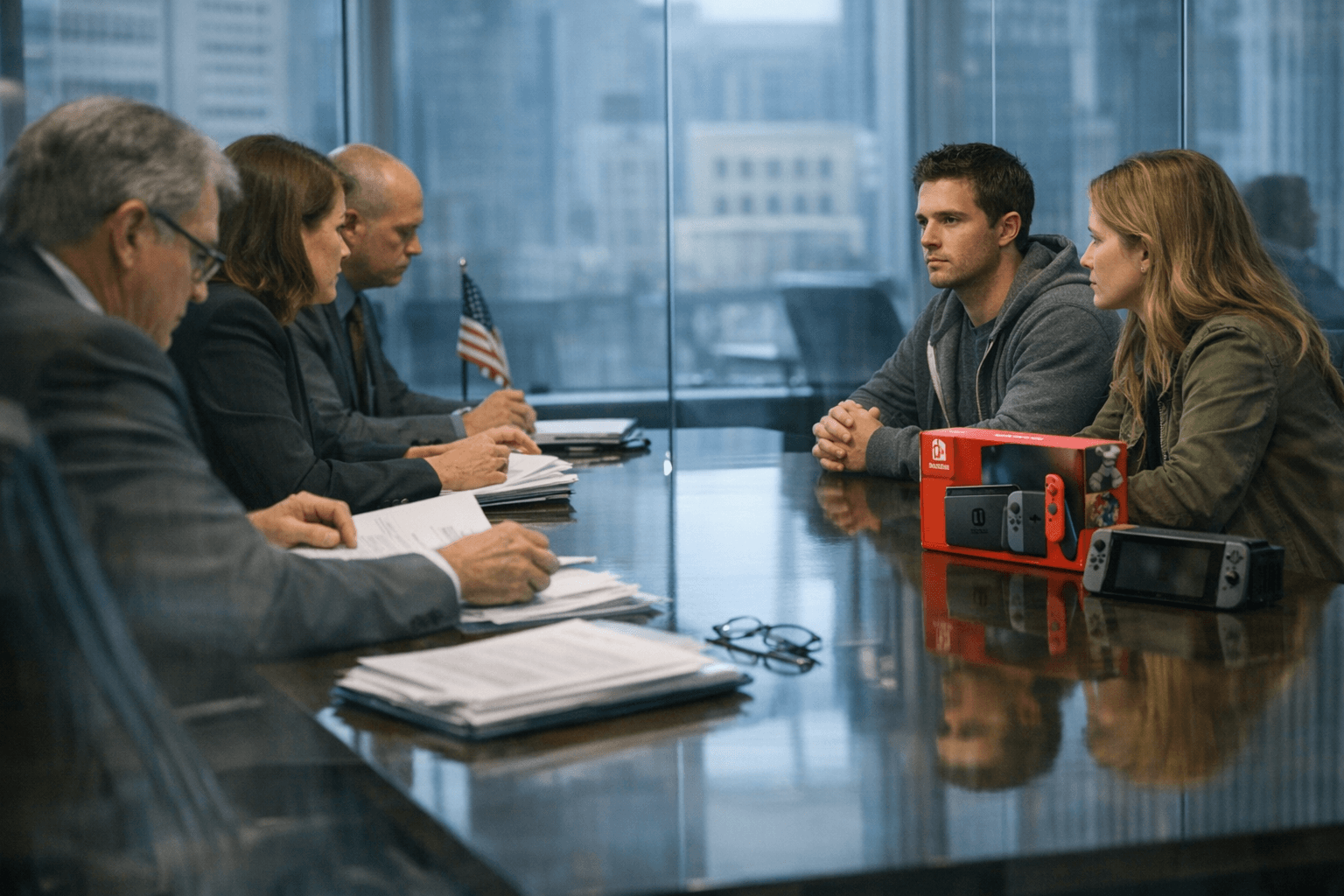
Nintendo is facing a class-action lawsuit that accuses the company of keeping tariff refunds for itself while customers paid higher prices for Switch 2 accessories and original Switch consoles. The complaint, filed in U.S. District Court for the Western District of Washington, says that if Nintendo recovered money from the government after raising prices during the tariff period, it should not keep what plaintiffs call a double recovery.
The named plaintiffs are Gregory Hoffert of California and Prashant Sharan of Washington. They seek refunds for alleged overpayments by U.S. buyers who purchased Nintendo products affected by price increases between February 1, 2025, and February 24, 2026. The filing places the dispute squarely on the consumer side of Nintendo’s pricing decisions, arguing that families and fans absorbed the higher sticker prices while the company later pursued tariff relief for itself.
The case lands at a delicate moment for Nintendo’s hardware business. On April 18, 2025, the company said the U.S. price of the Switch 2 console would stay at $449.99, but it also raised the cost of many Switch 2 accessories, citing changes in market conditions. Nintendo then reopened U.S. preorders for April 24, 2025. Those moves came as players were already watching closely for any sign that tariffs would push Nintendo’s hardware ecosystem beyond its usual premium-but-stable pricing approach.
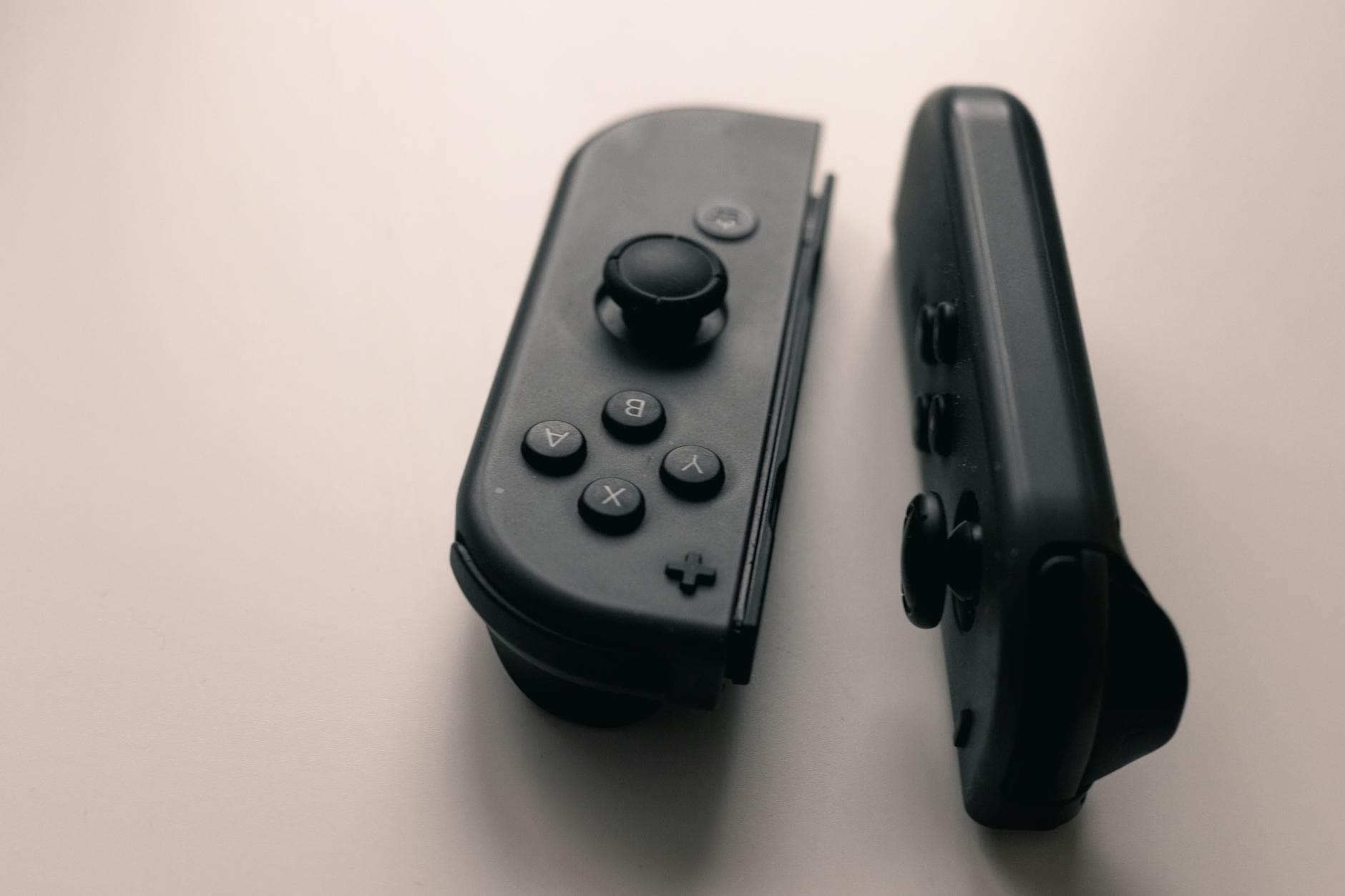
The suit also reaches back to the original Switch. The complaint says Nintendo raised the price of the older console last summer, then later adjusted its approach to software by saying in 2026 that it would no longer charge the same price for digital and physical versions of the same game, noting that boxed copies cost more to manufacture and ship. For workers inside Nintendo, from product planning to finance to regional sales, the lawsuit underscores how tightly pricing decisions now connect to brand trust, especially when consumers are comparing hardware, accessories, and game prices side by side.
Nintendo has already taken the tariff fight to court. In March 2026, the company sued the U.S. government over tariffs it called unlawful, seeking a refund with interest. The broader refund issue has become a major logistical question across industries, with U.S. Customs and Border Protection reportedly estimating that if all affected IEEPA duties are refunded, the system could involve 53,173,939 refunds across 330,566 importers. Nintendo had not publicly responded when the lawsuit was reported.
Know something we missed? Have a correction or additional information?
Submit a Tip