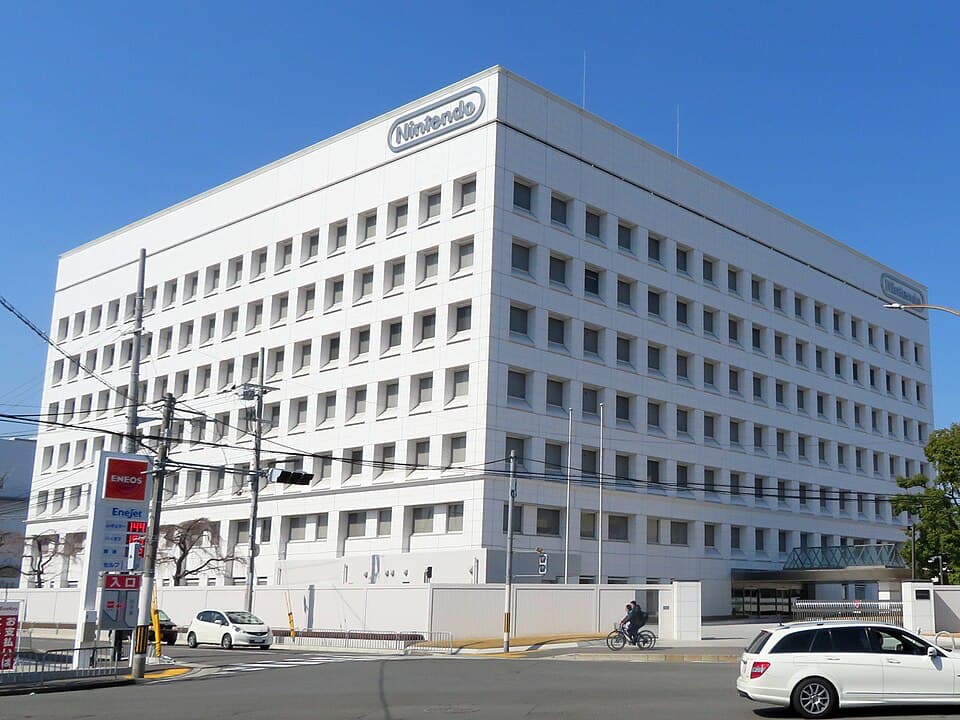
Nintendo Job Seekers Face 2026 401(k) Limits, Catch-Up Contribution Changes
Nintendo’s 401(k) match is part of the offer, not a footnote. In 2026, the IRS caps and catch-up rules make retirement benefits a real part of the pay gap.

Why the retirement line item matters at Nintendo
A Nintendo offer is never just salary, especially in a quality-first culture where people may stay long enough to build real value in the benefits package. The difference between two game-industry jobs can look small on paper, yet over a few years the retirement plan can separate the better deal from the merely higher paycheck. That is the practical test job seekers should run before they sign, because employer money only helps if you understand how it gets into the account, when it vests, and what happens if you leave early.
Nintendo’s own recruiting materials lean into that point. The company says employees receive a competitive 401(k) savings plan with a generous company match, plus a full suite of benefits that includes health coverage, parental leave, and tuition reimbursement. Some job postings also list medical, dental, vision, 401(k), paid time off, and a semi-annual discretionary performance bonus, which makes the retirement piece part of a larger compensation mix rather than a side perk. For people comparing Nintendo against other studios, publishers, or tech-adjacent employers, the right question is not simply “What is the salary?” It is “What is the total package, and how much of it stays with me if I build a career here?”
What changed in the 2026 retirement rules
The Internal Revenue Service says a 401(k) is a qualified plan that lets employees defer part of their wages into individual accounts, usually before taxes, while also allowing employers to contribute. Employee elective deferrals are excluded from taxable income except for designated Roth deferrals, and distributions are generally taxed at retirement unless they qualify under Roth rules. That matters because the tax treatment changes the real value of each paycheck, especially for workers who expect to stay in a plan long enough to benefit from compound growth.
For 2026, the employee elective deferral limit for 401(k) plans is $24,500, up from $23,500 in 2025. The IRS also sets the compensation limit used for contributions at $360,000 in 2026. Standard catch-up contributions remain available at $7,500, and workers who attain age 60, 61, 62, or 63 in 2026 can make a higher catch-up contribution of $11,250. That higher limit is a meaningful detail for experienced Nintendo employees and senior hires alike, because it gives late-career workers more room to make up ground before retirement.
How Nintendo’s offer should be read in the real world
Nintendo of America says it works closely with Nintendo Co., Ltd. to bring franchises and entertainment initiatives across the Americas, which helps explain why its hiring pitch has to compete across several labor markets at once. It is not just battling other game companies for talent. It is competing with entertainment, technology, and other creative employers that may sell the same candidate on prestige, flexibility, or mission. In that environment, a strong 401(k) match is not a generic benefit. It is a retention tool.
That is where the daily-life impact comes in. Two offers can look close in salary, but the one with a stronger employer contribution can quietly pull ahead over time. If one worker gets a solid match and stays long enough to vest, while another takes the higher base salary but leaves before employer money fully belongs to them, the second worker may end up with less real compensation. That difference does not stay abstract. It shows up in whether you are building long-term savings or giving back part of your pay when you switch jobs after a few production cycles.
For Nintendo staff, that matters because the work itself often spans long development cycles, heavy launch windows, and franchise continuity. A retirement plan that is easy to understand and generous enough to be noticed sends a different message than one buried in fine print. When a company talks about quality and legacy, employees naturally expect the same discipline in benefits that they expect in a release build.
What to compare before you accept a Nintendo offer
The smartest comparison is not between two salaries. It is between two total-compensation packages. A worker weighing Nintendo against another game employer should ask a few direct questions before deciding:
- When do employer contributions start, and is there any waiting period before the match begins?
- How does vesting work, and how long does it take before employer contributions are fully yours?
- What does the fund lineup look like, and are there low-cost options that make it easier to build savings without paying more in fees than necessary?
- Does the company present a clear total-rewards statement, so the retirement benefit is visible instead of hidden in a brochure?
- How do the 401(k), bonus, and other benefits fit together when you compare the offer against another studio or publisher?
Those questions matter because retirement money is part of compensation, not a favor. A lower base salary can still be the better offer if the employer contribution is stronger and the plan is easier to keep. A slightly higher salary can be less attractive if the match is weak, the vesting period is long, or the fund menu is poor enough that saving becomes more expensive than it should be.
The offer gap grows with time
The simplest way to see the difference is to imagine two near-identical jobs at a Nintendo-level employer and a competitor. One includes a competitive 401(k) savings plan with a generous match and a clean explanation of benefits. The other advertises a slightly higher starting salary but offers less retirement support or makes employees wait longer before employer money is fully theirs. After a few years, the second offer can leave the worker with a thinner retirement balance even if the paycheck looked better every two weeks.
That is the point job seekers often miss. The lost money is not theoretical. It is the employer contribution that never lands in the account, the match that does not vest before a move, and the compounding growth that never gets a chance to start. For Nintendo candidates, especially people who expect to grow with the company across design, QA, localization, engineering, or business roles, the 401(k) line deserves the same attention as title, team, and salary band.
Nintendo’s hiring pitch suggests it knows this. The company is selling more than a role on a project; it is selling a package meant to support people who may stay long enough to care about the long game. For workers, that is the standard to use. If the retirement plan is strong, transparent, and matched well, it can change the real value of the job in a way that a headline salary never will.
This article was produced by Prism’s automated news system from verified source data, official records, and press releases, then run through automated quality and moderation checks before publishing. The system is built and supervised by the people who set the standards it runs under. Read our full AI policy.
Did this article answer your question?