Nintendo managers need leadership training, not just technical expertise
At Nintendo, moving into management means giving up some maker identity for coordination, feedback, and people decisions. That shift is now a core leadership skill, not a nice-to-have.
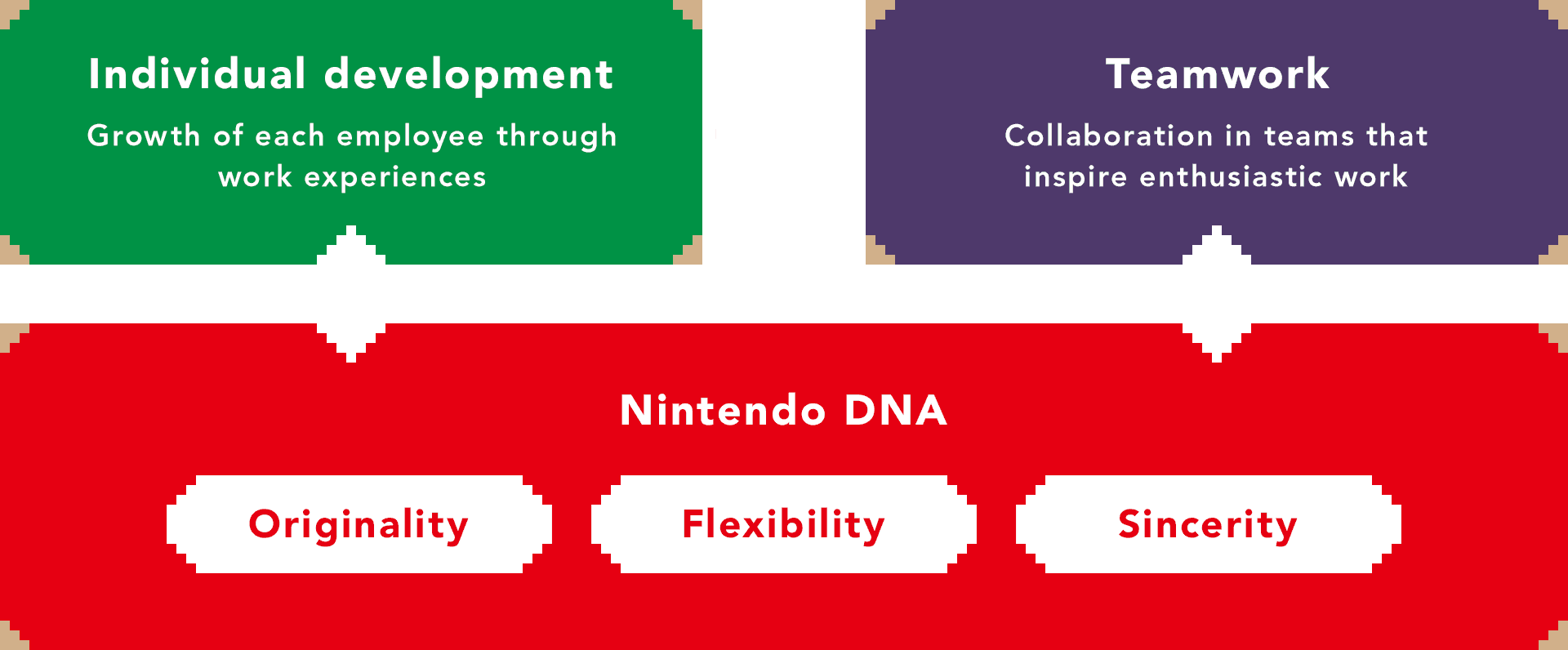
At Nintendo, the hardest promotion is often not the one that adds the most technical weight, but the one that asks you to stop being the person who solves everything yourself. Moving into management means trading some maker identity for coordination, feedback, and people decisions, and that shift can be jarring in a studio culture built on quality, precision, and tight execution. For engineers, designers, QA testers, localization staff, and business teams, the leap matters because Nintendo’s scale turns weak management into schedule risk, morale drag, and avoidable product friction.
The job changes before the title does
LeadDev draws the line clearly: moving from individual contributor to manager is not a title change, it is a career shift. One guide says new managers need to do homework, find mentors, improve communication, delegate deliberately, and resist the urge to dive too deeply back into the code. A second LeadDev piece makes the contrast even sharper: a staff engineer focuses on designing, developing, and implementing complex solutions, while an engineering manager spends much more time on people management, team coordination, project execution, feedback, stakeholder work, and resource allocation.
That distinction is the part many strong senior contributors underestimate. Technical excellence still matters, especially in game development where small decisions can cascade into performance, polish, and launch issues. But once you are responsible for a team, your job is no longer just to be the best problem-solver in the room. Your job is to create the conditions where several problem-solvers can do their best work together.
Why Nintendo makes this transition bigger
Nintendo’s own management policy helps explain why this matters so much inside the company. The business says it places its highest emphasis on delivering exciting entertainment worldwide while maintaining robust corporate management. Its corporate governance page adds that it uses an Executive Officer System to clarify responsibility, separate management from execution, and accelerate delegation of authority in a rapidly changing business environment.
That is not just a boardroom detail. It is a signal that Nintendo expects managers to be decision enablers, not bottlenecks. The company also says it aims to maximize long-term corporate value, maintain a transparent and sound governance system, and educate employees about corporate ethics. In a quality-first culture like Nintendo’s, first-time leads have to protect the team’s time and clarity while still understanding the technical realities that shape schedules, especially when creative work is crossing disciplines and regions.
The scale of the company raises the stakes further. Nintendo’s FY2025 annual report covers the fiscal year ended March 31, 2025, and the company reported net sales of 1.1649 trillion yen, operating profit of 282.5 billion yen, and profit attributable to owners of the parent of 278.8 billion yen. In 2026, its investor-relations materials showed the company preparing for its 86th annual general meeting of shareholders and posting officer-personnel changes and FY2026 results materials. When a business is operating at that size, weak delegation or fuzzy feedback is not a small leadership issue. It is an operating problem.
What strong first-time leads do differently
The biggest mindset shift is simple: stop trying to remain the hero of every technical thread. A new manager who keeps jumping back into the hardest code path may feel useful in the short term, but the team loses the chance to build ownership and confidence. The better move is to become the person who clarifies scope, removes ambiguity, and keeps the work moving across functions.
A practical Nintendo-ready transition usually looks like this:
- Set priorities early, so the team knows what matters and what can wait.
- Delegate with ownership, not just tasks, so people can actually grow.
- Give feedback often, while the work is still changeable.
- Escalate risks early, especially when art, engineering, QA, and localization are pulling on the same deadline.
- Keep stakeholders informed, so surprises do not land late in the cycle.
- Stay close enough to the code or craft to understand tradeoffs, but not so close that you become the default fixer.
This is where new managers often need outside help, and the industry already treats that as a real career stage. The IGDA Foundation’s Questline program says its Next Gen Leaders cohort is for mid-career game industry professionals transitioning into leadership roles. IGDA’s resource library also includes a project-management and leadership category, which is a useful reminder that management is a skill set you can study, not a mystery you are supposed to absorb by osmosis.
Google re:Work makes the same point from a broader management perspective: teams are only as strong as their managers, and developmental training matters. That should land hard for anyone who has ever watched a promising senior contributor promoted into people management with little more than goodwill and a calendar invite. The gap is not intelligence. It is practice.
What Nintendo workers should watch for in the transition
For people inside Nintendo, the most useful question is not whether you can still do the old job. It is whether you can now make the whole team better at doing its jobs. A first-time lead who keeps every decision in their head, solves every problem personally, or avoids hard feedback will slow the team down even if their individual output stays high.
The better leaders learn to separate technical judgment from managerial responsibility. They can still understand why a build is slipping, why a localization pass needs more time, or why QA is flagging a risk, but they do not confuse that knowledge with having to own every fix themselves. That is especially important in game development, where quality depends on coordination between people who think differently and work at different speeds.
The transition is also cultural. Nintendo’s governance model, its emphasis on long-term value, and its global business scale all point toward a company that needs managers who can translate strategy into daily clarity. If you are moving into leadership there, the real test is not whether you can still ship your own work. It is whether you can help other people ship theirs with more focus, better information, and fewer surprises.
That is the craft first-time Nintendo managers have to learn: not just how to make things, but how to make a team work.
This article was produced by Prism’s automated news system from verified source data, official records, and press releases, then run through automated quality and moderation checks before publishing. The system is built and supervised by the people who set the standards it runs under. Read our full AI policy.
Did this article answer your question?
