Nintendo official 'TOPICS' updates (April 3): eShop new-release bulletin, MotionRec indie spotlight, and JOYSOUND campaign — implications for QA, localization, and marketing teams
A single April 3 Nintendo TOPICS post touching MotionRec, the eShop weekly bulletin, and a JOYSOUND free campaign passed through at least 11 internal handoffs before going live.

Three short dated entries on Nintendo's official TOPICS feed on April 3 look like routine consumer news from the outside. Inside the company, each one represents a convergence of certification deadlines, localization windows, entitlement engineering, and live-ops readiness checks that had to resolve before the post could publish.
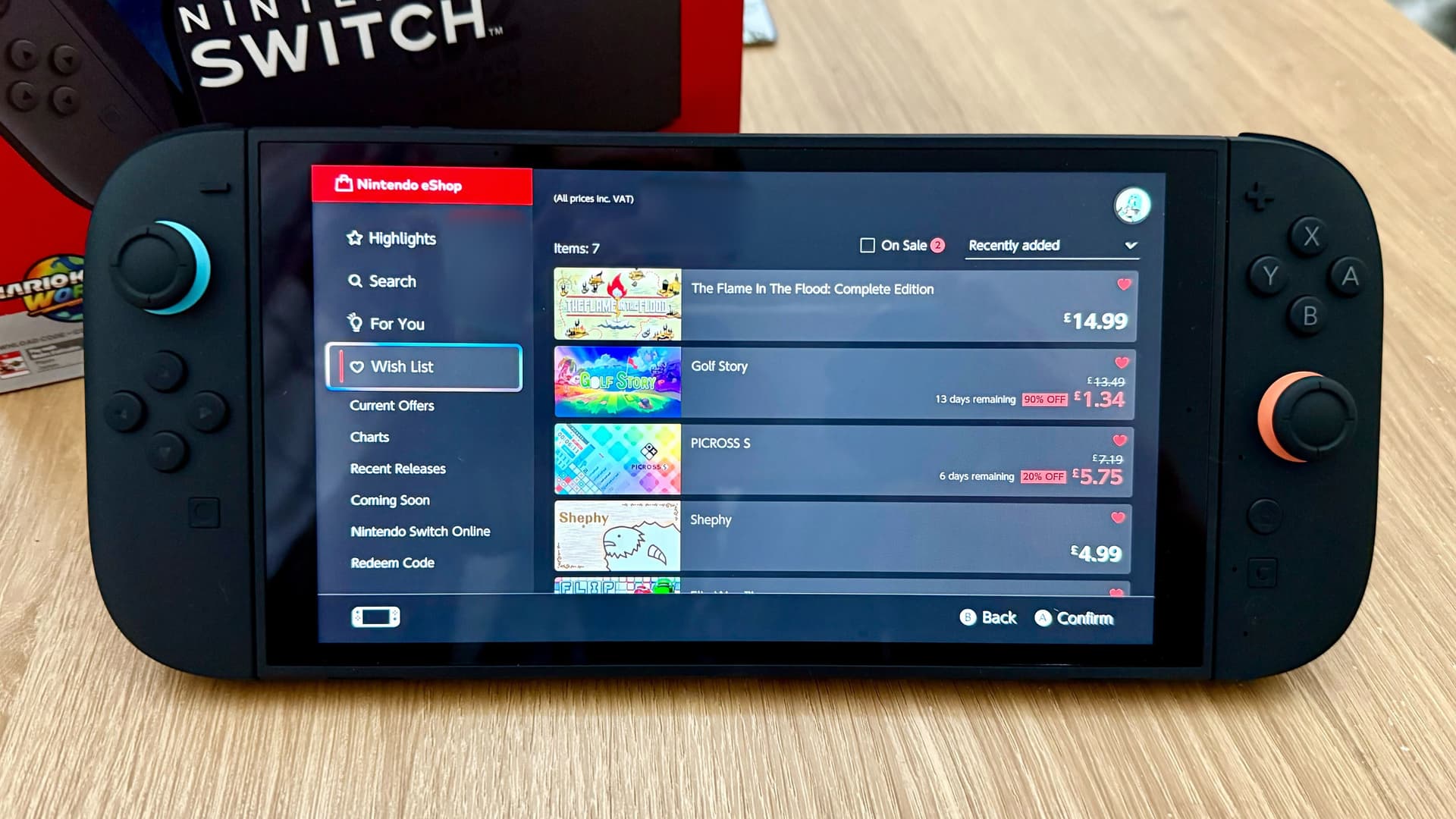
The weekly eShop new-release bulletin, filed under ニンテンドーeショップ新作ソフト情報 4/3, is the most operationally loaded of the three. The week of April 2 brought notable titles to the Japanese storefront including Pokemon Champions, Darwin's Paradox, and People of Note, alongside a broader slate of Switch and Switch 2 downloads. For platform certification staff, that bulletin is not confirmation of completion; it is the finish line that everything from Lotcheck queue scheduling to build-stability regression testing had to clear beforehand. Any slip in a single title's certification cycle compresses the window for the entire slate, forcing QA teams to reprioritize backlogs in real time against a date that does not move.
The indie spotlight entry, "Hello! インディー," focused on MotionRec, a record-puzzle action game developed by HANDSUM and published by PLAYISM, the indie label operated by Active Gaming Media. MotionRec launched on Nintendo Switch and PlayStation 5 on April 2, one day before the TOPICS feature appeared, putting it squarely inside the publication window where store copy, screenshots, and in-game strings need to be fully localized and QA-approved simultaneously. The game's central mechanic, recording a robot character named Rec's movements and replaying them in a different location to traverse otherwise unreachable terrain, is the kind of system-specific language that creates localization friction: the word "MotionRec" itself functions as both the title and an in-game ability name, meaning every UX string that references it must be consistent across the store description, in-game HUD, tutorial prompts, and subtitle captions. Localization QA (LQA) teams responsible for confirming those strings align across contexts faced a tight lead-time given the April 2 launch date. PLAYISM's involvement also introduced a partner-relations layer: Nintendo's internal teams had to coordinate asset delivery schedules and approval checkpoints with an external publisher rather than a first-party team, adding at least one additional handoff to the pipeline.
The third entry, the Karaoke JOYSOUND for Nintendo Switch 10-day free campaign, carried a different set of internal requirements. JOYSOUND, a registered trademark of XING Inc., runs on a period-ticket entitlement model: the app downloads for free but access requires purchasing a timed usage license. A 10-day free promotional window required backend entitlement logic to be modified and tested, promotional allocation rules to be defined, and customer-support playbooks to be updated before the campaign opened. JOYSOUND campaigns on Switch have a track record of generating concentrated usage spikes; a March 2026 campaign that unlocked 30 "school songs" for free ran for exactly 10 days and offered up to 99 free sessions per day, illustrating the kind of traffic volume live-ops and account-services teams should model against. Incident response alerting, monitoring dashboards, and rollback procedures for the entitlement system all had to be verified before April 3.
Mapping the path from editorial pitch to published TOPICS post across all three entries reveals how many teams a single update touches before a consumer ever reads it: platform certification, build engineering, store metadata ops, partner relations, localization, LQA, marketing, entitlements engineering, live-ops, customer support, and regional compliance. By one conservative count, a single TOPICS post clears at least 11 distinct internal handoffs before the dated entry goes live on nintendo.co.jp. That number is the clearest argument for treating TOPICS publication dates not as editorial deadlines but as the last visible marker of an operational calendar that starts weeks earlier.
This article was produced by Prism’s automated news system from verified source data, official records, and press releases, then run through automated quality and moderation checks before publishing. The system is built and supervised by the people who set the standards it runs under. Read our full AI policy.
Did this article answer your question?