Nintendo QA, AI tools help scale game testing without replacing judgment
Nintendo can use AI to widen QA coverage and speed up bug hunts, but the testers who know feel, risk, and ship readiness become more valuable, not less.
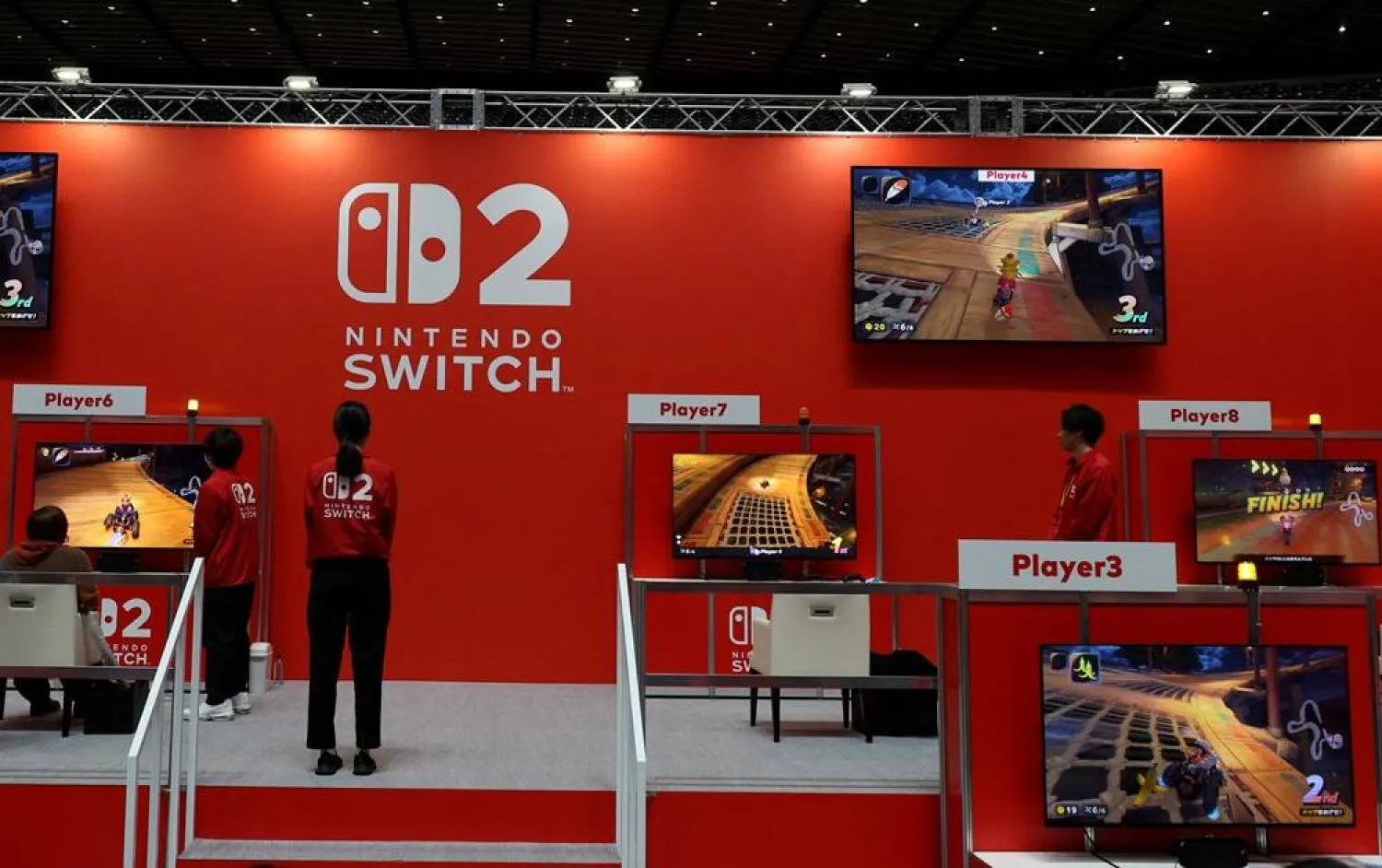
Nintendo's Switch 2 launch on Thursday, June 5, puts a familiar pressure point in view: the bigger the platform, the more QA has to do before hardware and software can safely reach players. The right use of AI at Nintendo is not as a stand-in for testers, but as a way to widen coverage, reproduce failures faster, and reserve human judgment for the calls machines still cannot make.
What Nintendo means by QA
Nintendo's own recruiting materials describe game development as including a formal QA verification stage. That stage is not just about finding obvious bugs; it checks whether a game behaves as intended and whether it creates any user harm, including save-data loss, injury risk from play style, and violations of guidelines, laws, or other safety concerns.
That matters because Nintendo also says developers must submit products for review before release so the company can confirm they can be safely played and conform to production standards. In other words, QA at Nintendo is part bug-hunting, part safety gate, and part final check on whether a game is ready to bear the Nintendo name.
Where AI actually helps
The clearest model for AI in testing is not magic, it is labor extension. Ubisoft Reflections has publicly described AI-controlled client bots that mimic human input while reporting issues such as incomplete missions and performance statistics. Those bots have been used for automated mission playthroughs, multiplayer testing, streets-wandering performance data gathering, and bug reproduction in The Division.
That is the right mental model for Nintendo teams too: AI is best at repetitive, high-volume checks that are easy to script and expensive to run by hand. It can broaden the net, catch regressions earlier, and keep testing moving when schedules are tight.
- Repeated mission or stage playthroughs
- Multiplayer session checks and basic stress testing
- Performance logging in large or open environments
- Bug reproduction after a tester has already found a failure
The important limitation is that all of those are coverage tasks. They help QA see more of the game more quickly, but they do not tell a producer whether a mechanic feels off, a camera problem is tolerable, or a bug is severe enough to block ship.
Why human testers stay central
For Nintendo, the human part of QA is not the leftover work. It is the most valuable work. A machine can tell you that something broke, but a tester still has to decide whether the break is a nuisance, a balance issue, a safety concern, or a release stopper. That judgment is especially important in a culture where product review is tied to production standards and safe play, not just technical correctness.

AI also cannot fully replace the people who understand how a game is supposed to feel. Human testers are still the ones who notice awkward pacing, a system that confuses players only after ten hours, or a combination of states that technically works but makes the experience collapse. The more AI expands the test surface, the more important it becomes to have people who can prioritize, interpret, and escalate the right findings.
That is the real workplace answer inside Nintendo: the most valuable QA skill set shifts upward. Repetition becomes easier to automate, but discernment becomes more important. Testers who can translate raw findings into player impact, edge-case risk, and go or no-go recommendations will matter more, not less.
The staffing pressure behind the tooling debate
This debate is happening under real headcount pressure, not in a vacuum. GDC's 2024 State of the Game Industry survey, based on responses from more than 3,000 professionals, found that 35% of developers said they had been impacted by layoffs, and 22% of QA developers said they had been laid off that year. That is why conversations about AI in QA sound less like abstract efficiency talk and more like a fight over how much coverage teams can sustain with fewer people.
For managers, the temptation is to read AI as a headcount substitute. That is the wrong lesson. The survey numbers suggest the industry is already strained, which makes automation attractive, but the work AI handles best is the work that was never the core value of QA in the first place. Replacing humans with bots in repetitive checks may save time; replacing humans in prioritization and judgment simply moves risk somewhere else.
Why Switch 2 raises the stakes
Nintendo's Switch 2 is a good example of why this balance matters. In the Ask the Developer Vol. 16 interview, Nintendo said the system launches on Thursday, June 5, and described the hardware effort as coordination across hardware development, system software, and network services. That is a lot of moving parts for QA to absorb, especially when new hardware has to work cleanly across the system, the network, and the games themselves.
The broader the launch surface, the more useful AI becomes as a force multiplier. It can help catch regressions that would be too slow to chase manually, and it can keep the team from burning human time on obvious repetitions. But once the machine has done its sweep, someone still has to decide whether the behavior is acceptable, whether it needs a fix, and whether the game should ship.
That is the management takeaway Nintendo employees should watch closely. AI can expand coverage and speed, but it does not replace the testers who know what quality feels like. The future of QA is not fewer people making the same decisions; it is better tools letting the best people make better ones, faster.
This article was produced by Prism’s automated news system from verified source data, official records, and press releases, then run through automated quality and moderation checks before publishing. The system is built and supervised by the people who set the standards it runs under. Read our full AI policy.
Did this article answer your question?
