Nintendo reportedly asks suppliers to build 20 million Switch 2 consoles
Nintendo’s console ask sits about 20% above its public forecast, signaling the Switch 2 is being planned as a long run, not a launch burst.
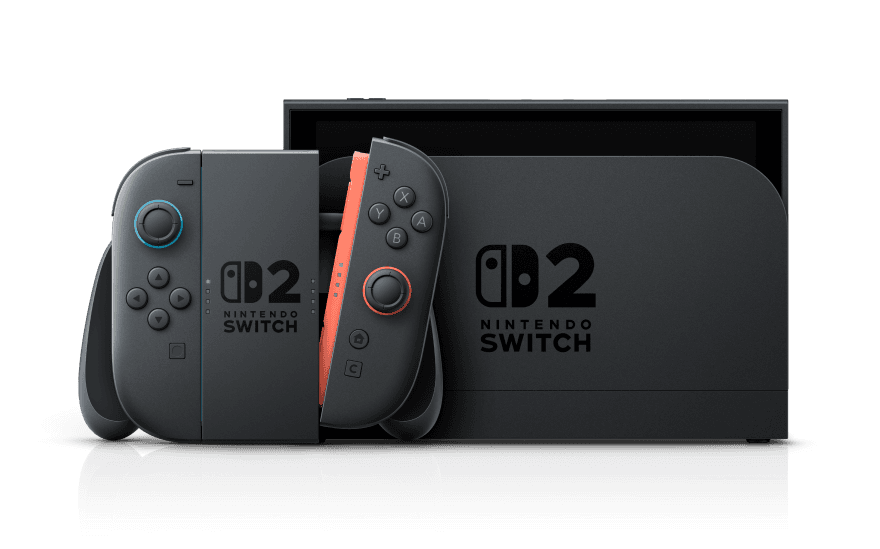
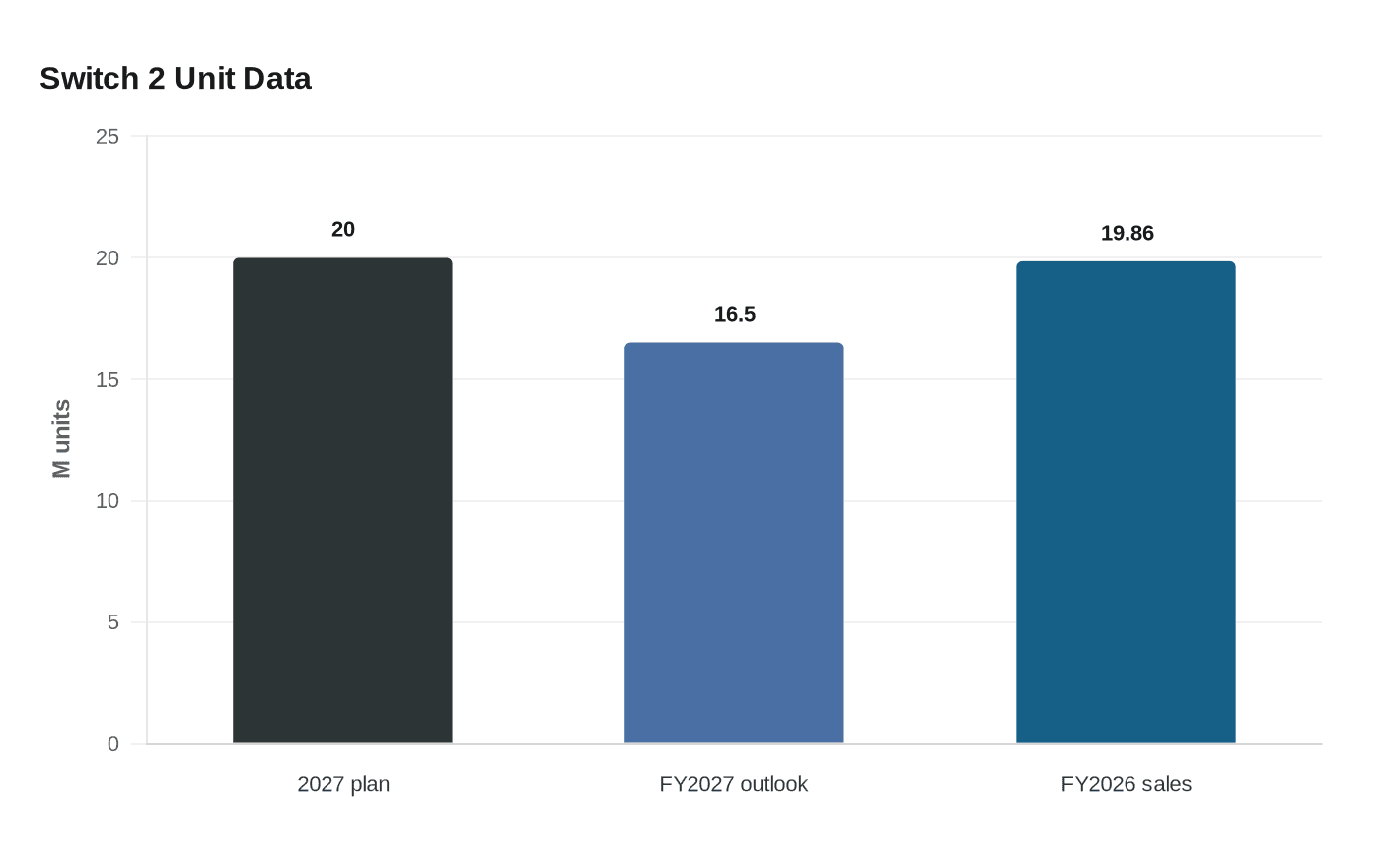
Nintendo is asking partners and suppliers to assemble about 20 million Switch 2 consoles in the year through March 2027, a production target that sits roughly 20% above the 16.5 million hardware units it told investors to expect for the same period. For Nintendo employees, that is not just a manufacturing note. It is a signal about how much work the company expects to flow through hardware planning, software scheduling, QA, localization, regional launch support, and the retail decisions that determine whether a new platform keeps momentum after the first wave of demand.
The scale matters because Nintendo’s own fiscal-year results showed how quickly the Switch 2 has already moved. For the year ended March 31, 2026, Switch 2 hardware sales reached 19.86 million units and software sales hit 48.71 million units. Nintendo also reported fiscal-year net sales of 2,313.0 billion yen, up 98.6% from a year earlier, with operating profit rising 27.5% to 360.1 billion yen. Digital sales climbed 25.0% to 407.6 billion yen, while dedicated video game platform sales jumped 106.7% to 2,239.5 billion yen.
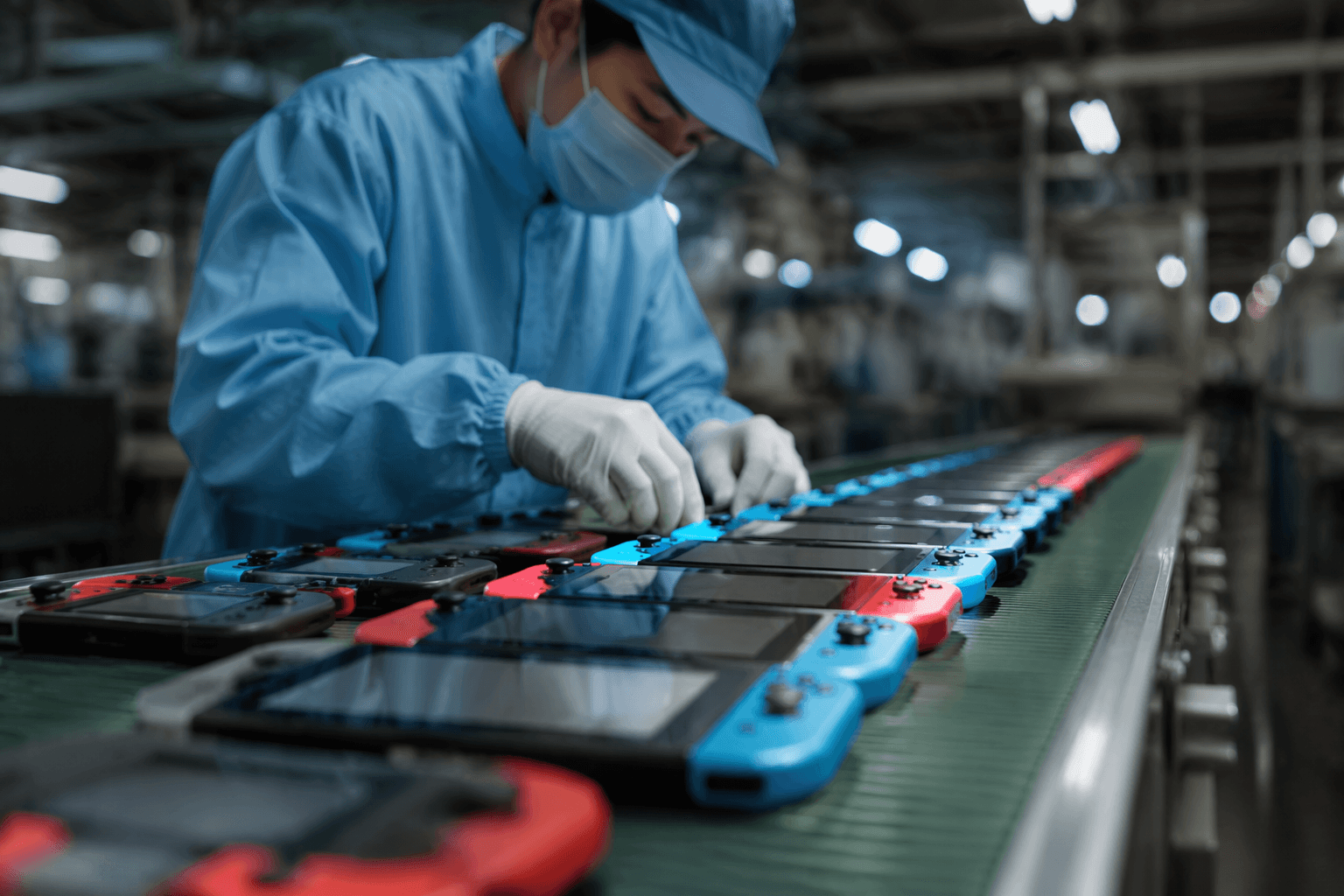
That backdrop makes the production ask especially telling. Nintendo’s public FY2027 outlook calls for 16.5 million Switch 2 hardware units and 60.0 million software units, a combination that assumes the launch year will cool from its peak. A 20 million assembly plan points in the other direction: toward a company still planning for a hot platform cycle, where upcoming games continue to pull hardware rather than merely support it.
The plan is not final and could still change with demand, but even a provisional request of that size affects how Nintendo and its partners operate. More assembly means more component commitments, tighter logistics planning, and bigger inventory buffers. It also raises the stakes for first-party teams, because hardware volume at Nintendo tends to pull software, certification, and release timing into a tighter schedule. QA and localization teams face more locale work and more pressure to keep launch quality consistent across regions. Business teams have to keep pricing, promotions, and bundle strategy aligned with supply.
Nintendo has already said the Switch 2 carries a higher unit price than the original Switch, a factor that helped lift sales in the last fiscal year. At the same time, the company has warned that rising component prices and tariffs could add about 100 billion yen in costs. Against that backdrop, a 20 million-console ask says Nintendo is still planning like a platform with room to grow, not a one-and-done launch event.
This article was produced by Prism’s automated news system from verified source data, official records, and press releases, then run through automated quality and moderation checks before publishing. The system is built and supervised by the people who set the standards it runs under. Read our full AI policy.
Did this article answer your question?
