Nintendo reportedly plans 20 million Switch 2 units by 2027
Nintendo’s 20 million-unit Switch 2 plan would push work far beyond the public 16.5 million forecast, hinting at a bigger staffing and partner load.

Nintendo’s reported plan to have partners and suppliers assemble about 20 million Switch 2 systems by March 2027 points to a much bigger operating burden inside the company than its public sales outlook suggests. The gap matters: Nintendo told investors to expect 16.5 million units, while the production target would sit roughly 20% higher and could still change with demand.
For employees, that kind of volume is not just a hardware story. It usually means more pressure on procurement, factory planning, logistics, regional compliance, retail readiness, and repair and service operations. If Nintendo wants to keep enough stock in reserve to protect launch momentum and avoid empty shelves, those teams have to move in lockstep with suppliers and manufacturing partners, especially if the company is trying to stay ahead of early demand rather than merely meet it.
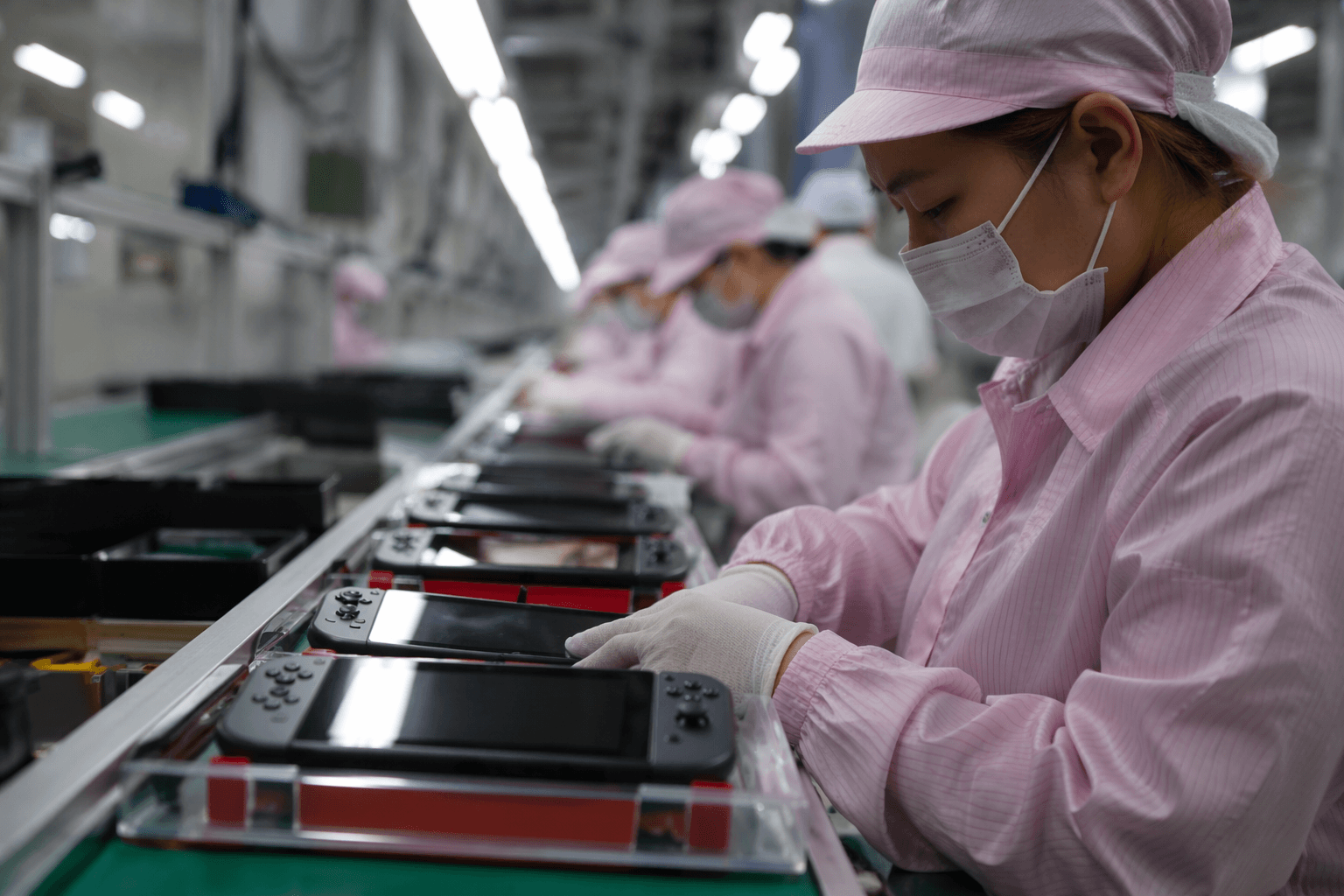
The software side would feel it too. A larger installed base can justify a broader release cadence, more localized content, and heavier digital merchandising, which in turn adds work for localization staff, publishing teams, and launch-window support. QA would also face a wider blast radius as more units reach consumers, bringing more edge cases, more compatibility testing, more accessory verification, and more post-sale support work across the platform.

The open question is what Nintendo does with that load. A target above the forecast could mean temporary ramp-up hiring around launch, permanent headcount growth in areas like supply chain and support, or even greater dependence on outside partners to absorb the volume. For a company built on polished first-party execution, the production plan is a reminder that the Switch 2 rollout is now as much a workforce and coordination challenge as it is a product launch.
This article was produced by Prism’s automated news system from verified source data, official records, and press releases, then run through automated quality and moderation checks before publishing. The system is built and supervised by the people who set the standards it runs under. Read our full AI policy.
Did this article answer your question?
