Nintendo says Switch 2 will anchor broader entertainment ecosystem
Switch 2 is not just Nintendo’s next console. It is the hub for games, films, apps, merchandise, and customer ties that now shape how the company works.
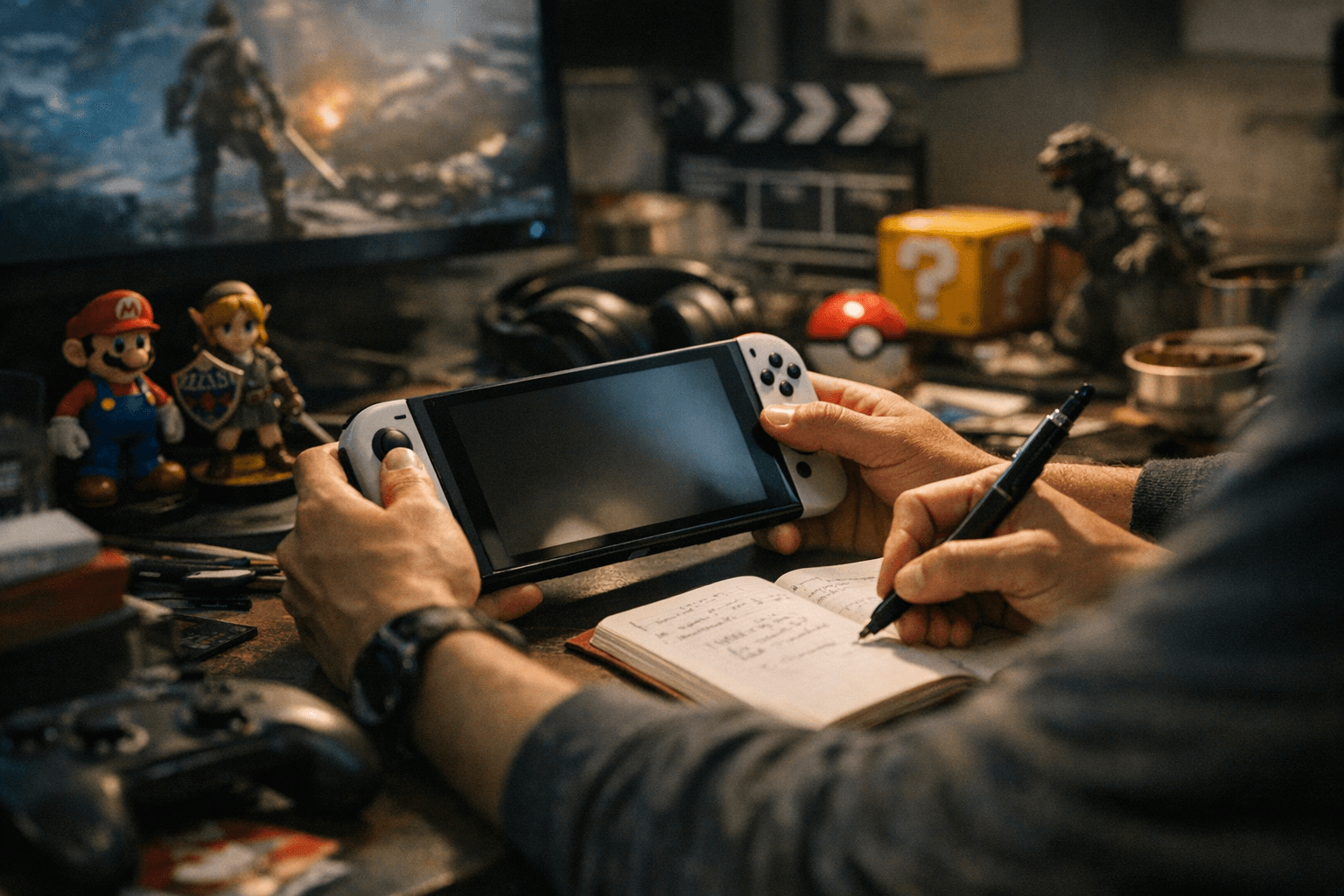
Switch 2 is becoming the center of Nintendo’s business
Nintendo is treating Switch 2 less like a single hardware launch and more like the front door to a larger entertainment system. The company’s president message, from Shuntaro Furukawa, makes that clear: Nintendo wants to deliver new entertainment through an integrated hardware-software platform, then carry that value into movies, videos, smart-device apps, character merchandise, and real-world experiences.
For employees, that changes the meaning of almost every release. A game is no longer just a game, and a console launch is no longer just a retail event. Each decision can ripple into franchise health, account engagement, licensing value, and the next screen a customer sees after they finish playing.
What the president’s message is really saying
Nintendo’s management policy describes the company as an entertainment business that aims to introduce new forms of entertainment while maintaining robust corporate management. That framing matters because it puts discipline and creativity in the same sentence. Nintendo is not presenting growth as a race to be everywhere at once; it is saying the company grows by refining what it already owns and extending it carefully.
The message also names two guiding principles: “grow the Nintendo IP fanbase” and “foster long-term relationships with consumers.” That is the strategic decoder for the whole company. Designers, QA testers, localization leads, merch teams, and account services are all helping build one long-lived relationship, not just shipping isolated products.
Nintendo also says its entertainment is centered on dedicated video game platforms and an integrated hardware-software business. In practice, that means the company still sees the console as the anchor, but it now measures success by how well each platform supports the next one.
Why the hardware numbers matter to the workplace
Switch 2 launched globally on June 5, 2025, and Nintendo announced six days later that the system had sold over 3.5 million units worldwide in its first four days. Nintendo said that was the highest global sales level for any Nintendo hardware in its first four days, which makes the launch more than a sales milestone. It signals that the company’s integrated platform approach is already reaching scale.
The later sales data sharpen that picture. As of December 31, 2025, Nintendo reported 17.37 million Switch 2 hardware units and 37.93 million software units sold. By comparison, the original Nintendo Switch had reached 155.37 million hardware units and 1,500.16 million software units. Those figures show why Nintendo keeps speaking about longevity, compatibility, and portfolio balance: the company is operating a platform business with a very long tail.
For teams inside Nintendo, that scale changes priorities. QA has to think beyond launch week. Localization has to preserve a franchise voice that may return in a sequel, a movie, or a mobile app years later. Producers and planners are not only shipping to meet demand, they are protecting a catalog that still matters after the newest hardware arrives.
The real meaning of “anytime, anywhere, with anyone”
Nintendo’s Japanese president message says Switch 2 is being sold globally as a system that can be played “anytime, anywhere, with anyone.” That phrase is more than a consumer slogan. It tells workers that convenience, portability, and shared play are part of the product definition, not an afterthought added by marketing.
It also explains why Nintendo wants the company to become something families naturally choose as their lives change over time. The business is not just trying to win a purchase. It is trying to stay relevant as households evolve, children grow, and older players return to familiar characters and systems.
That is where Nintendo Account becomes strategically important. Nintendo says it uses the account system as a connection point to directly deliver entertainment across platform generations. In workplace terms, that makes account design, data continuity, and service consistency part of the core entertainment pipeline, not just backend support.
How films, apps, and merchandise fit into one ecosystem
Nintendo’s August 27, 2025 release on strengthening ancillary use of films said the company wants to expand the number of people who have access to its characters and worlds. That is a useful clue for how to read the company’s media moves. A film is not separate from a game franchise, and a merchandise line is not just a licensing play. Each one widens the audience that can eventually enter the same Nintendo ecosystem.
That is why the president message matters so much for people working across departments. A character’s portrayal in a film can affect brand trust. A mobile app can deepen a relationship before a player ever buys a console. A real-world experience can make a franchise feel physically present, while still feeding the same IP flywheel.
This is also why consistency matters so much at Nintendo. If the company wants one account system to connect entertainment across generations, then the voice, art direction, polish, and quality standards have to feel coherent everywhere. A localization choice made for one project can echo in another. A brand decision made for one region can travel globally much faster than it used to.
What investors, partners, and employees should watch next
Nintendo’s November 5, 2025 investor briefing said software development costs are higher and development periods are longer. That is not just a cost warning. It is one reason Nintendo keeps balancing brand-new Switch 2 titles, new entries in existing series, and updates to existing Nintendo Switch software. The company is managing a portfolio, not a one-release calendar.
Nintendo also said Switch 2 can play compatible Nintendo Switch software and that it wants to recommend Switch software to first-time console buyers. That compatibility does a lot of strategic work. It protects the legacy catalog, makes the new system more approachable, and gives Nintendo a way to extend the value of older development work instead of treating it as finished history.
For the people building inside the company, the implications are direct:
- Developers are not only making the next hit. They are shaping whether a franchise can survive into films, mobile, merchandise, and future hardware.
- QA teams are guarding a broader experience, where one bug or moderation issue can affect trust across several products.
- Localization and customer-facing teams are protecting a voice that has to feel stable across generations, regions, and media.
- Business teams are managing a long-term IP system built on repeat engagement, not one-time launches.
That is the deeper reading of Nintendo’s Switch 2 strategy. The console is real, the sales are real, and the entertainment ecosystem around it is already taking shape. But the more important shift is organizational: Nintendo is telling workers and partners that every major move now has to strengthen the same long-term relationship, or it does not fully count.
This article was produced by Prism’s automated news system from verified source data, official records, and press releases, then run through automated quality and moderation checks before publishing. The system is built and supervised by the people who set the standards it runs under. Read our full AI policy.
Did this article answer your question?
