Nintendo seeks GRC engineer to automate compliance work
Nintendo is turning compliance into an engineering job, signaling that GRC now sits closer to systems design than paperwork.
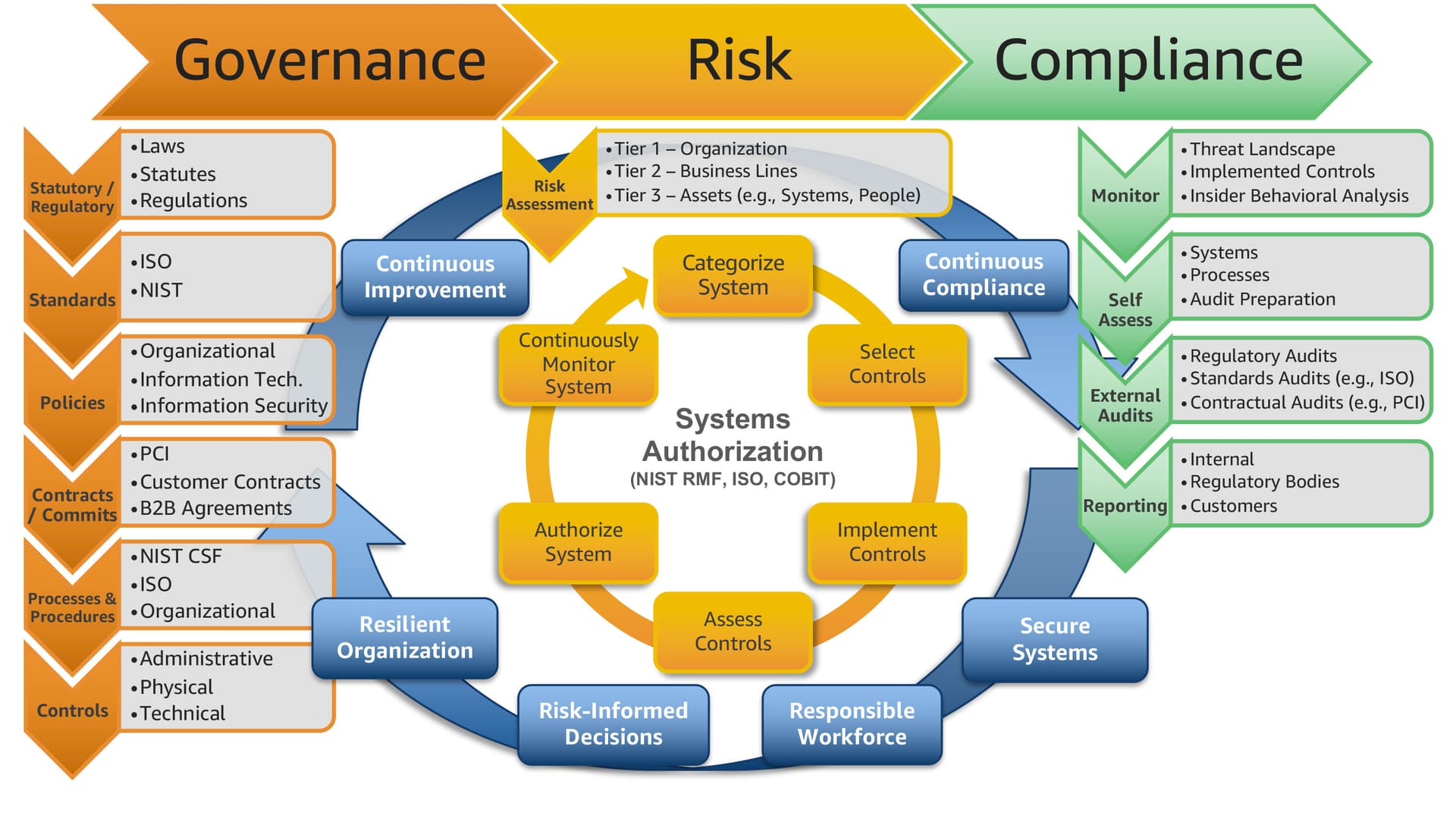
Nintendo is shifting GRC from paperwork to infrastructure
Nintendo’s search for a GRC engineer is a small posting with a big message: governance, risk, and compliance is moving deeper into engineering, automation, and IT security operations. The company is not describing a traditional checkbox role. It is asking for someone who can reduce compliance burden, improve scalability, and make routine controls more sustainable through tooling and sound engineering judgment.

That matters because it changes what compliance work looks like inside a game company known for its quality-first culture. At Nintendo, GRC is being framed less as a gate that slows the business and more as a system that has to keep up with hardware launches, digital commerce, vendor relationships, and global operations. For employees, that is a clear signal that technical fluency is becoming part of the compliance career path, not just a bonus skill.
What the role says Nintendo wants
The position sits inside Nintendo of America’s IT Security department in Redmond, Washington, where Nintendo of America serves as headquarters for Nintendo’s operations in the Americas. It is described as an early-to-mid career role for someone who already has a cybersecurity risk and compliance foundation and wants to grow into a more technical, systems-oriented GRC path.
The duties show how broad the job is. The engineer would conduct cybersecurity risk assessments, evaluate third-party and vendor risk, support risk registers and risk treatment plans, contribute to policy development, and help with internal and external audits. The role also references compliance metrics, which suggests Nintendo wants GRC to be measurable and operational, not just documented after the fact.
The framework list tells the same story. Nintendo names NIST CSF, PCI DSS, and J-SOX, a mix that spans cybersecurity, payment security, and Japanese financial reporting controls. That combination is a strong hint that the company wants someone who can connect technical risk management to real business systems, from customer transactions to internal control requirements.
Why this is bigger than one job opening
For Nintendo employees, the practical takeaway is that compliance is no longer being treated as a back-office paperwork function. The job posting says the work is meant to modernize how GRC operates across the organization, and that routine compliance activities are expected to become increasingly automated. In other words, the company appears to be looking for people who can design workflows that scale instead of people who only chase documents and signatures.
That is especially relevant in an environment built around hardware launches, direct-to-consumer transactions, vendor ecosystems, and global operations. Nintendo’s brands reach across consoles, digital services, consumer accounts, and external partnerships, so compliance gaps can turn into product, privacy, security, or reputational problems quickly. A more technical GRC function is one way to keep pace with that complexity without turning every control review into a manual bottleneck.
The posting also reflects a broader workforce trend that is easy to miss if you only look at job titles. Modern compliance teams increasingly need people who understand systems behavior, workflow design, and automation. That makes GRC feel more like product work: define the control, build the process, instrument the metric, and keep the business moving.
Nintendo’s governance structure helps explain the shift
Nintendo’s own governance materials make the timing easier to understand. The company says it uses a governance structure built around a Board of Directors, an Executive Officer system, and an Audit and Supervisory Committee. Its corporate governance materials say this structure is meant to clarify responsibility for operations and create a more flexible management setup.
Nintendo’s corporate governance report, dated June 28, 2024, says the company seeks a highly transparent and sound system of corporate governance. Its governance and compliance materials also say Nintendo operates and maintains an internal control system according to legal and regulatory circumstances and the actual state of each organization in the Nintendo group.
That is the backdrop for the GRC hire. If the company is trying to keep oversight clear while making management more flexible, then GRC has to be faster, more structured, and easier to audit across divisions. The work is no longer just about checking whether a policy exists. It is about whether the control environment can adapt as the business changes.
The stakes are high in a company this large
Nintendo’s fiscal 2025 results show why control design matters. The company reported net sales of 1,164,922 million yen and operating profit of 282,553 million yen. It also reported year-end cash and cash equivalents of 1,414,121 million yen. Those are not the numbers of a company that can afford to treat governance as a side task.
The launch calendar matters too. Nintendo said the Nintendo Switch 2 would be released on June 5, 2025, which underscores the pressure that product transitions place on security, vendors, distribution, and internal controls. When a company is moving through a major platform shift, compliance automation can help reduce friction at exactly the moment when teams are already stretched.
For Nintendo’s employees, especially in security, operations, audit, and adjacent business functions, the message is straightforward: the company needs people who can think in systems. A manual, document-heavy compliance approach would be too slow for a business running on global scale and frequent product change.
What this means for careers inside Nintendo
The most important signal in this posting is not that Nintendo wants another compliance hire. It is that the company wants a builder, not just a reviewer. That is a meaningful shift for a culture that prizes polish, reliability, and quality because it implies those values are now being applied to internal controls as much as to games and hardware.
For workers across Nintendo, the role suggests a path where security, audit, and operations are becoming more technical and more integrated. If you work near compliance, the skills that now matter include automation thinking, systems literacy, vendor-risk judgment, and the ability to turn regulatory requirements into processes that teams can actually live with.
That is a classic Nintendo-style tradeoff: keep the standards high, but make the machinery behind those standards smarter. In a company built on long-lived franchises and exacting execution, that kind of change rarely stays confined to one job posting.
This article was produced by Prism’s automated news system from verified source data, official records, and press releases, then run through automated quality and moderation checks before publishing. The system is built and supervised by the people who set the standards it runs under. Read our full AI policy.
Did this article answer your question?
