Nintendo settles French Joy-Con drift case with €35 million fine
Nintendo’s €35 million French fine shows how Joy-Con drift kept haunting the company years after launch, turning a hardware flaw into a trust problem.

Nintendo of Europe agreed to pay a €35 million fine in France after regulators concluded that its handling of Joy-Con drift misled consumers for years. For Nintendo’s hardware, QA, support and legal teams, the case is a blunt reminder that a controller defect can outlive the console cycle and still shape how customers judge the next machine.
The French action was handled by the DGCCRF, France’s Directorate General for Competition, Consumer Affairs and Fraud Control, after a complaint from UFC-Que Choisir in September 2020. Investigators reportedly said Nintendo knew about the Joy-Con problem as early as 2018, but publicly acknowledged it only in 2020. They also alleged that the delay discouraged some customers from seeking free support and pushed others to buy replacement controllers instead.
Nintendo said the matter was resolved amicably and denied intentionally misleading consumers. Still, the financial penalty landed as more than a routine compliance dispute. It became another long-running after-sales-service issue tied to a product that had already been central to the Switch’s success, which is exactly the sort of contradiction that matters inside a quality-first culture.
The dispute also sharpened the consumer-rights argument around planned obsolescence. UFC-Que Choisir said thousands of Switch and Switch Lite users had experienced repeated joystick failures and took legal action over defective Joy-Con controllers. The complaint helped frame Joy-Con drift not just as a repair headache, but as a broader test of whether a major hardware maker could be trusted to be transparent when a defect became impossible to ignore.
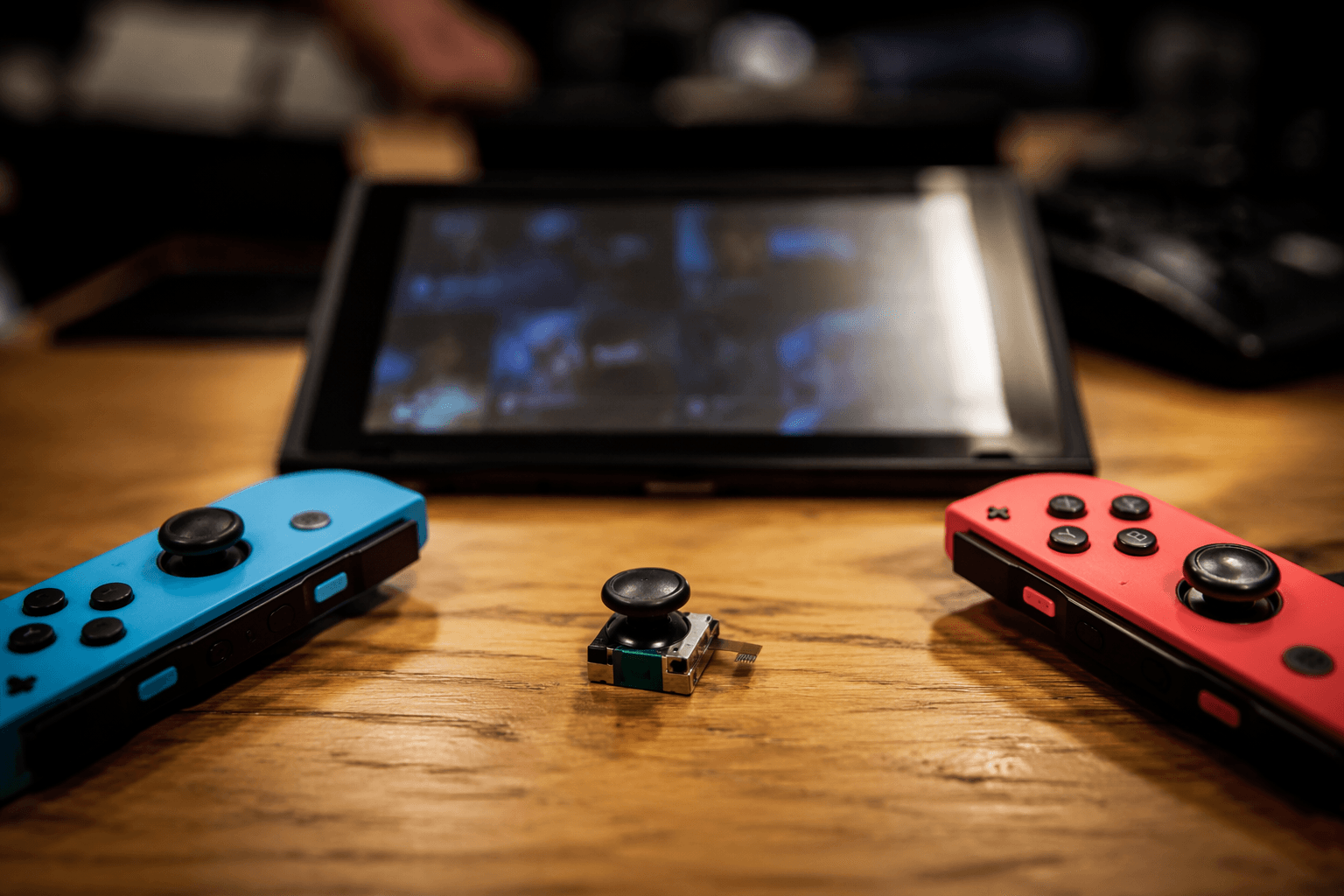
Nintendo’s French support pages now explicitly list Joy-Con stick drift as a known issue and provide repair-request instructions. That matters for employees because it shows how a product defect can spill into customer-service operations, documentation, spare-parts planning and public messaging long after launch. It also raises the stakes for teams working on durability testing and escalation paths, since the cost of a missed issue is no longer limited to returns or warranty claims.
For Nintendo, the French fine is a reputational marker as much as a legal one. The case reportedly spans misleading consumer information from 2018 to 2023, and its timing makes the lesson especially plain for anyone involved in Switch 2: trust is cumulative, and hardware credibility is built or damaged one repair ticket at a time.
This article was produced by Prism’s automated news system from verified source data, official records, and press releases, then run through automated quality and moderation checks before publishing. The system is built and supervised by the people who set the standards it runs under. Read our full AI policy.
Know something we missed? Have a correction or additional information?
Submit a Tip