Nintendo spells out online safety and conduct rules for players
Nintendo is turning safety rules into a product feature, using chat limits, reporting tools, and family controls to shape who feels comfortable staying in the Switch 2 ecosystem.
Nintendo makes trust part of the product
Nintendo is drawing a bright line around the kind of online world it wants to run: one built around safety, clear conduct rules, and enough control that parents, players, and organizers know what kind of community they are entering. The company’s latest framing makes that more than a legal posture. It is a retention strategy, a brand strategy, and a signal about the tone Nintendo will tolerate as online play becomes more central to the Switch 2 experience.
That matters because Nintendo is not talking about safety in vague terms. It says a Nintendo Account opens the door to online play, purchases, and the My Nintendo rewards program, which makes account trust a core part of the customer relationship rather than a side issue. In the same breath, Nintendo tells users not to share accounts, to use their own account when playing, and to treat account access as something private and personal.
What Nintendo’s rules actually cover
Nintendo’s online safety page says the company wants to create an online environment that prioritizes safety so everyone can enjoy playing. The community guidelines go further, laying out a public code of conduct for the ecosystem. Harassment, bullying, threats, discrimination, abuse, fraudulent behavior, unauthorized copies, and cheating are all off limits.
The rules are not limited to gameplay alone. Nintendo says its community standards apply across products, services, events, and team members, and that additional standards can apply in tournaments, livestreams, and games provided by partners. That broad scope is important because it shows Nintendo is not treating moderation as a narrow in-game problem. It is treating conduct as something that reaches into customer support, fan events, live broadcasts, and the social spaces around its biggest franchises.
For players, the enforcement model is intentionally simple. Nintendo tells users to unfriend, block, and report people who break the rules. That is a small set of actions, but it tells you how the company wants the platform to work in practice: visible boundaries, quick reporting, and less tolerance for toxic behavior that can drive people away from voice chat or multiplayer entirely.
How the policy changes the player experience
The clearest example is voice and chat. Nintendo says parent or guardian approval is required for players age 15 and younger to use GameChat on Nintendo Switch 2. It also says approved chat can be limited to friends, and parents can view chat history. That is a very specific model of trust: voice communication is allowed, but only with a defined chain of permission and oversight.
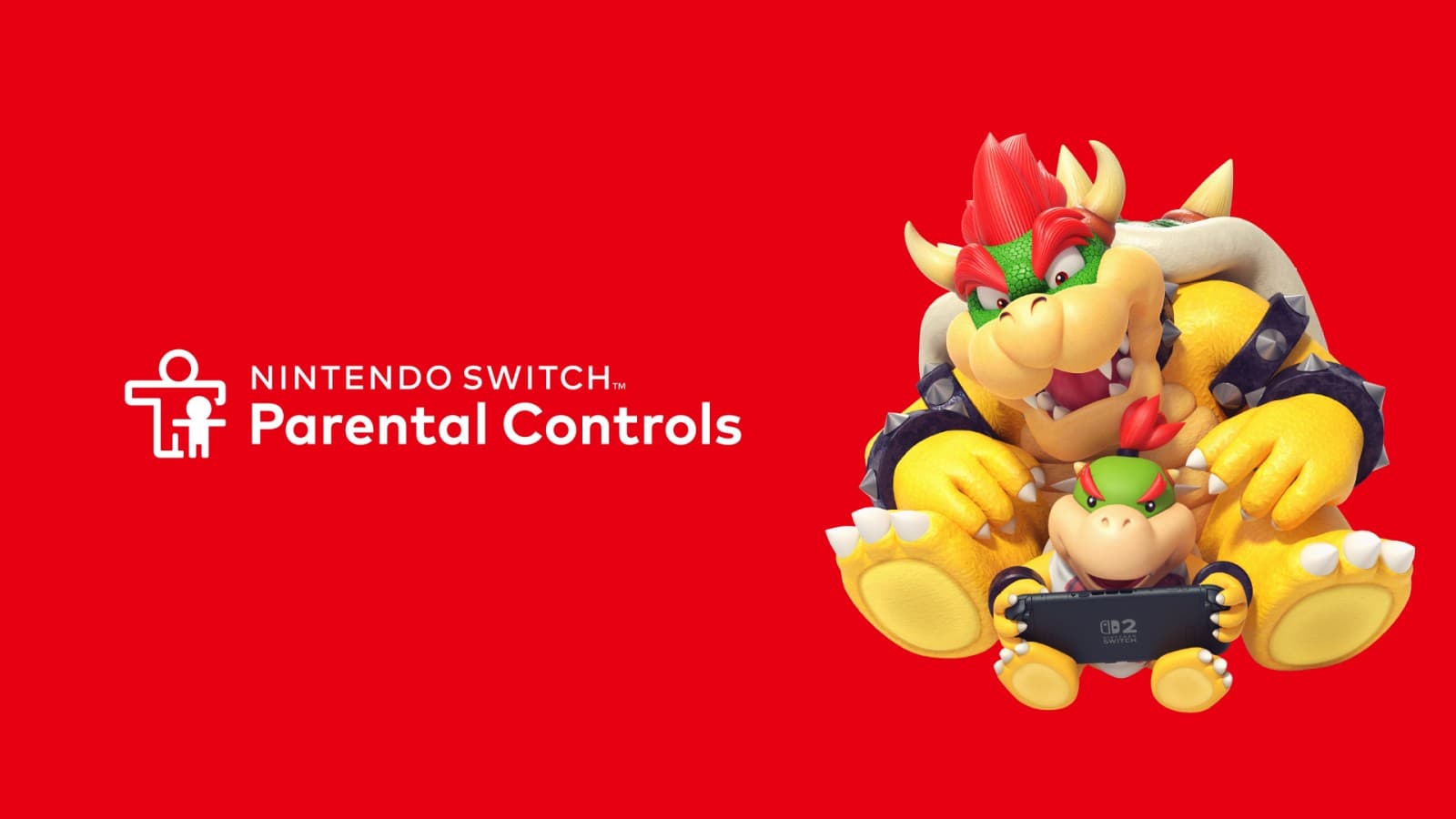
Nintendo’s parental controls are spread across the Nintendo Switch system, Nintendo Account settings, and the Nintendo Switch Parental Controls app. Child accounts are for ages 0 to 17, are created with a parent or guardian’s Nintendo Account, and can include purchase restrictions. That setup makes the family experience more managed than the free-form social systems common elsewhere in gaming, but it also gives Nintendo a cleaner answer to one of the industry’s hardest problems: how to let younger players participate without turning every lobby into a moderation risk.
For developers, designers, QA testers, localization teams, and live-ops staff, that has real product consequences. Voice prompts, friend lists, reporting flows, purchase screens, and parental approval steps all become part of the user journey. A smoother experience for adults may matter, but Nintendo is clearly optimizing for a broader trust boundary that includes households, not just individual players. The result is a platform that may feel more restrictive in some moments, yet more predictable in the moments parents care about most.
Tournament rules show how tightly Nintendo wants the ecosystem managed
Nintendo’s Community Tournament Guidelines make the same philosophy concrete in competitive play. Community tournaments can include up to 200 in-person participants or 300 online participants, and Nintendo caps entry fees at the equivalent of $20 per person. In-person spectator fees are capped at the equivalent of $15 per person, and online spectator fees are prohibited.
Those numbers tell a story. Nintendo is not encouraging a freewheeling, commercial tournament scene built on unlimited scale and audience monetization. It is setting a ceiling that keeps these events relatively small, community-driven, and noncommercial. For fan organizers, that may be a frustrating constraint. For Nintendo, it is another way to reduce abuse, confusion, and brand drift while keeping the community close to the company’s family-friendly positioning.
Why this is bigger than one company’s rules
Nintendo’s safety messaging is also part of a longer industry pattern. Nintendo, Sony Interactive Entertainment, and Microsoft first announced a shared commitment to safer gaming in December 2020, and Nintendo now says the companies continue to collaborate on player safety. The updated principles reflect new innovations and new ways of working with industry initiatives and trade associations.
That broader collaboration matters because Nintendo is not trying to solve toxicity alone. The company says its work also involves outside groups such as the Family Online Safety Institute and Thriving in Games Group. Put together, the message is that safety is becoming a shared industry infrastructure problem, not just a customer service problem. That is especially relevant as platform holders try to balance social play, live chat, and community scale with the reputational risk that comes from harassment or fraud.
Nintendo’s privacy policy, last updated in April 2026, fits into the same system. The company says it explains what information it collects, how it uses and shares it, how it protects that information, and how users can access, correct, or delete it. Privacy, conduct, account ownership, and parental controls are being bundled into one trust story, not left as separate policy silos.
The strategic question for Nintendo
The upside is obvious. If Nintendo can make families feel safer, keep harassment in check, and give players confidence that account security and moderation are taken seriously, that trust becomes a product advantage. It helps retention, reinforces the company’s brand, and supports the kind of community Nintendo wants around Switch 2.
The tradeoff is friction. Tight rules can slow social features, add steps to chat, and make online spaces feel more controlled than some players prefer. But Nintendo appears to be betting that for its audience, especially families, control is not a weakness. It is the feature that lets the rest of the experience work.
Know something we missed? Have a correction or additional information?
Submit a Tip