Nintendo stock sinks to five-year low as Switch 2 sales outlook dims
Nintendo’s Switch 2 opened strong, but a weaker sales outlook, higher memory costs and a thin game slate pushed the stock to five-year lows.
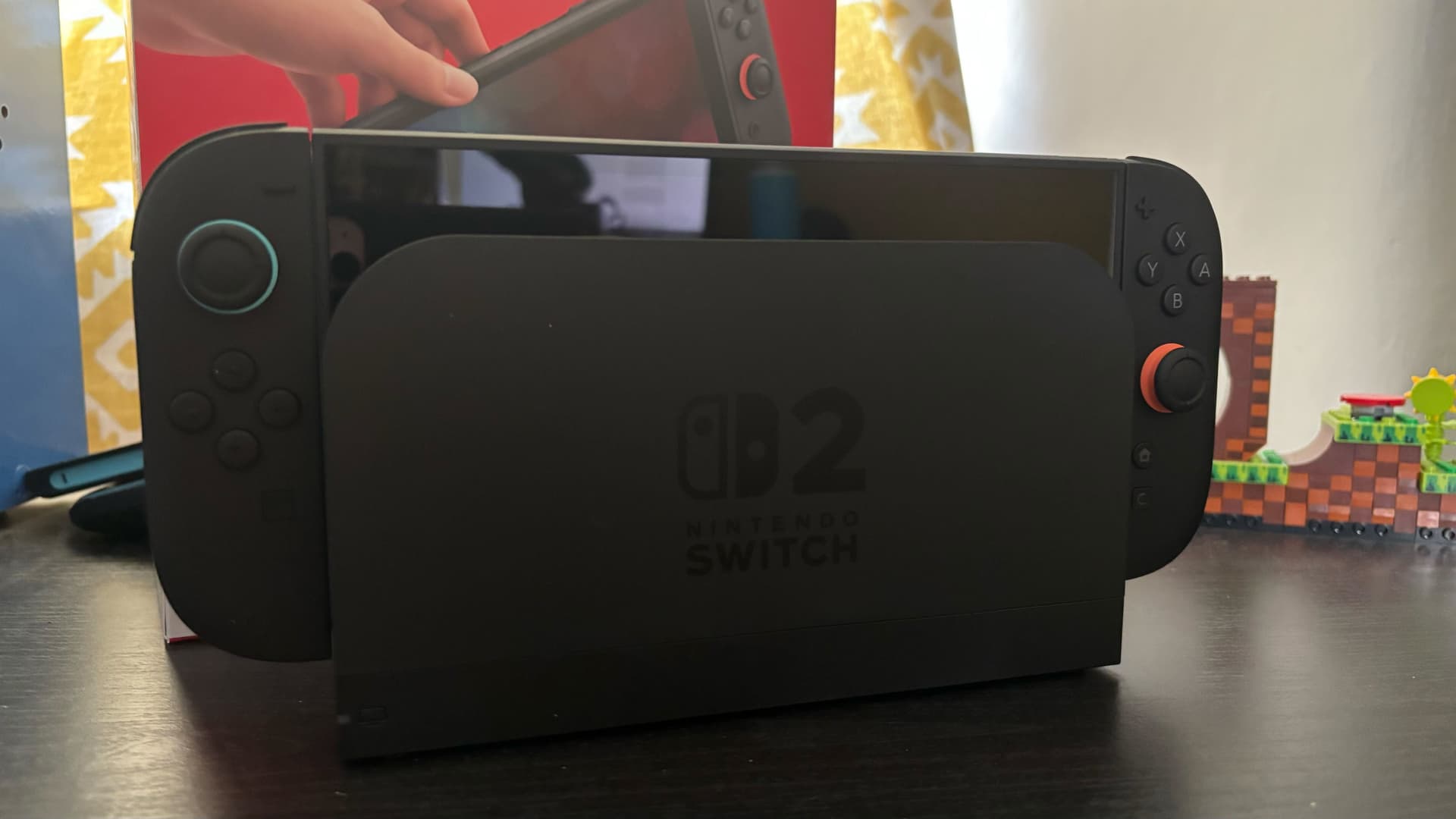
Nintendo's post-launch glow has faded into a market problem: the Switch 2 arrived with strong early sales, but investors are now fixated on how quickly that momentum can cool once launch demand runs off. The company’s warning that it expects only 16.5 million hardware sales in the current fiscal year, even after moving 19.86 million consoles and 48.71 million games through March 31, pushed the stock to a five-year low and sharpened doubts about the software slate and margins.
The selloff did not begin in 2026. In January 2025, Nintendo shares fell about 6.8% after the company unveiled the Switch 2 without pricing, a launch date or specifications. The stock later climbed to a record, but that early enthusiasm gave way to a harsher read on the launch cycle, as investors reassessed how much upside was already priced in before the console reached shelves.

The pressure intensified in May, when Nintendo said hardware sales for the fiscal year ending March 2027 would reach 16.5 million units, below the 19.86 million sold from launch through March 31, 2026. On May 11, shares closed 8.4% lower at 7,020 yen, the lowest since August 2024. Bloomberg said the stock fell 10% in Tokyo the next day, also its lowest level since August 2024, while CNBC said the shares were down 34% year to date.
What the market appears to be punishing is not just slower hardware growth, but the mix of guidance, margins and software cadence around it. Nintendo said the launch year was unusually concentrated compared with previous console cycles, and it flagged rising memory-chip costs as a drag on margins. The company also said it expected about ¥100 billion in impact in FY2027 from higher component prices, especially memory, after raising Switch 2 prices in several markets worldwide.
Analysts saw the same tension from different angles. Serkan Toto of Kantan Games said Nintendo was unusually forecasting lower hardware sales for a new console and argued that higher prices could soften demand. Morningstar’s Kazunori Ito called the guidance overly conservative and said the price hike looked unavoidable because memory inflation had already become hard to ignore. A June Nintendo Direct did not change that view, with market coverage saying the presentation failed to deliver the kind of blockbuster first-party titles investors wanted.
For Nintendo’s developers, QA teams and localization staff, the message is less about a failed console than about a harder phase of execution. The business still moved nearly 20 million Switch 2 units in less than a year, but Wall Street is now asking whether Nintendo can sustain that pace with enough software, and at enough margin, to justify the launch excitement that followed.
This article was produced by Prism’s automated news system from verified source data, official records, and press releases, then run through automated quality and moderation checks before publishing. The system is built and supervised by the people who set the standards it runs under. Read our full AI policy.
Did this article answer your question?
