Nintendo strikes PokéNational with 20 copyright claims, channel faces termination
Nintendo’s 20 strikes against PokéNational put Elios’s Pokémon nature-doc channel on a seven-day termination clock and reignited fan backlash over IP enforcement.
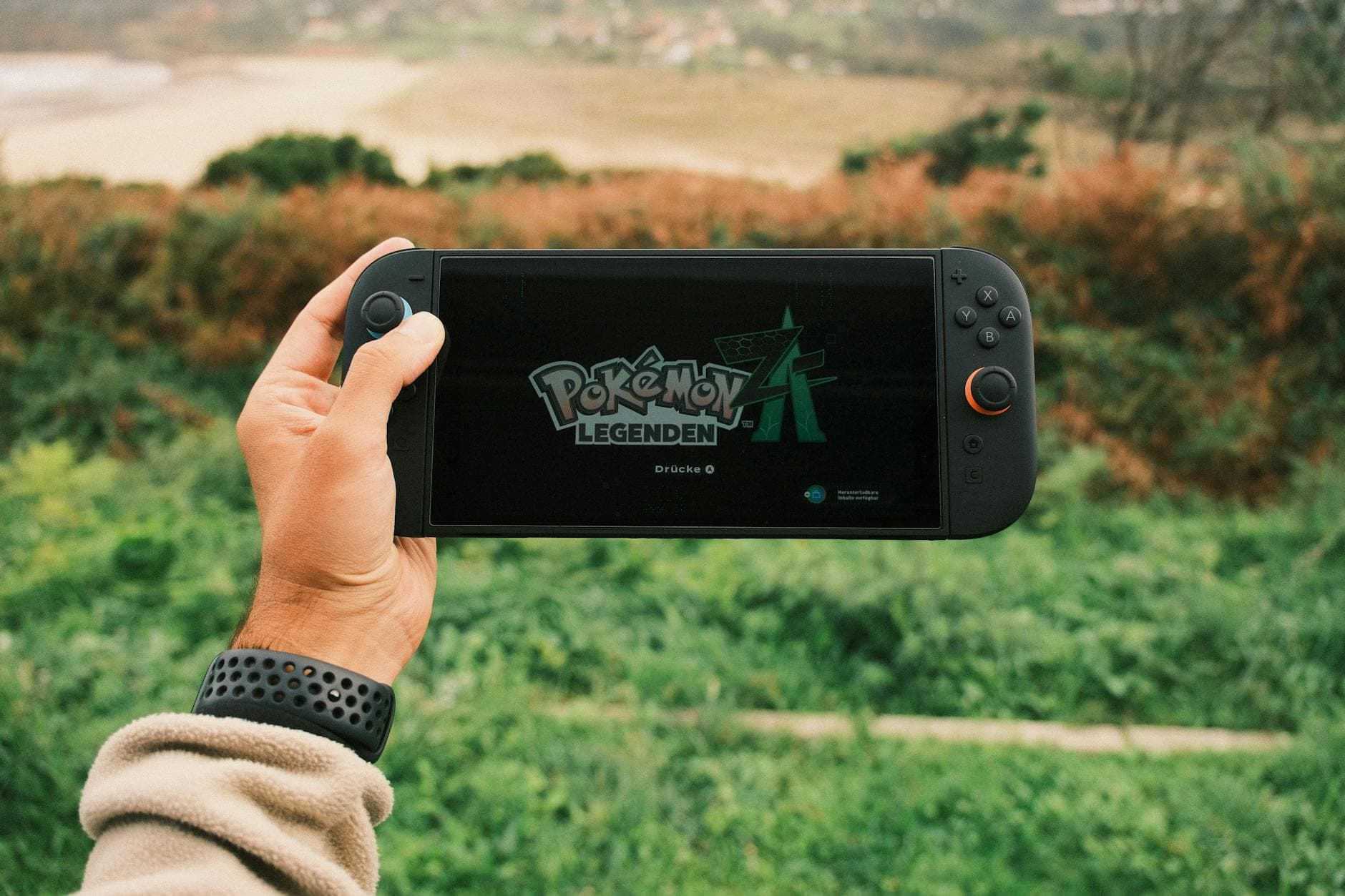
Nintendo of America’s copyright campaign against PokéNational has put Elios’s channel on a seven-day countdown to termination, turning a fan project into the latest test of how far the company wants to police its own brand. Elios said the channel was scheduled to be terminated by YouTube seven days after April 25, after Nintendo of America issued at least 20 copyright strikes against videos on the Pokémon nature-documentary-style series.
The stakes are steep because YouTube’s rules do not treat copyright strikes as a light warning. The platform says three copyright strikes can be enough to terminate an account and any associated channels. It also says strikes can be resolved through Copyright School, a retraction, or a valid counter notification, and that deleting a video usually does not clear a strike. For PokéNational, that leaves the practical question of whether any of the strikes will be withdrawn or challenged before the termination takes effect.
The clash lands in a familiar gray zone for Nintendo and The Pokémon Company. Nintendo’s own online video and image guidelines say it encourages videos and images that include creative input and commentary, including Let’s Play videos and game reviews. But Pokémon’s fan-art legal language draws a hard line, saying fan art does not grant permission to use Pokémon intellectual property beyond personal, noncommercial home use. PokéNational sat between those poles: it was built as a reinterpretation of Pokémon in the real world, presented in a nature-documentary style, and had been running for about three years.
That mix helps explain why the takedown drew frustration from fans and from creators such as Fabrizio, who contrasted Nintendo’s approach with other franchises. The reaction also revived a broader criticism that Nintendo and The Pokémon Company enforce intellectual property aggressively against fan projects even when those projects help keep the franchise culturally visible between official releases. That matters inside Nintendo as much as outside it, because the same fan energy that fuels remix culture also supports the brand’s long tail, from discussion to discovery to the kind of loyalty that can carry a franchise for decades.
The business case for consistency is obvious. A company built on character control and quality standards cannot let fan use become a free-for-all. But each high-profile strike also carries creator-relations risk, especially when the content looks less like imitation than commentary. For Nintendo, the PokéNational case is another reminder that legal control and community goodwill are often pulling in opposite directions, and that every enforcement decision can echo far beyond a single channel.
Know something we missed? Have a correction or additional information?
Submit a Tip