Nintendo titles dominate Amazon’s top-selling video game charts
Nintendo's first-party slate sits atop Amazon's game charts, while Switch 2 hardware and eShop cards also gain shelf space.
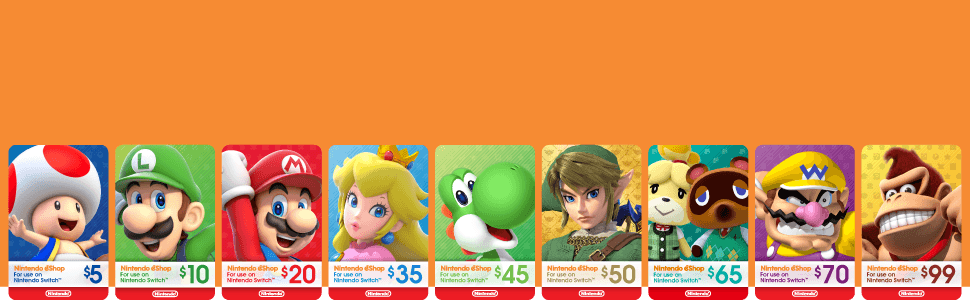
Amazon’s game charts are once again showing that Nintendo’s biggest leverage still comes from software. The top three best-selling physical games on Amazon are all Nintendo exclusives, and the broader video games chart also includes Switch 2 hardware and Nintendo eShop gift cards, a retail mix that points to software, hardware, and spending power moving together as the Switch 2 rollout gains traction.
The Nintendo Switch best-sellers list is packed with familiar franchise anchors and newer series entries. Tomodachi Life: Living the Dream, Super Mario Galaxy + Super Mario Galaxy 2, Pokémon Legends: Z-A, Super Mario Odyssey, Mario Kart 8 Deluxe, Super Mario Bros. Wonder, Luigi’s Mansion 3, and Super Mario RPG are all sitting near the top. The Switch 2 list tells a similar story, but with a more forward-looking tilt: Star Fox, Yoshi and the Mysterious Book, Pokémon Pokopia, Splatoon Raiders, Mario Kart World, Donkey Kong Bananza, Metroid Prime 4: Beyond, Kirby Air Riders, and Hyrule Warriors: Age of Imprisonment all appear prominently. That spread shows Nintendo using the same retail channel to support both an aging platform with long-tail demand and a newer system that still needs software momentum.
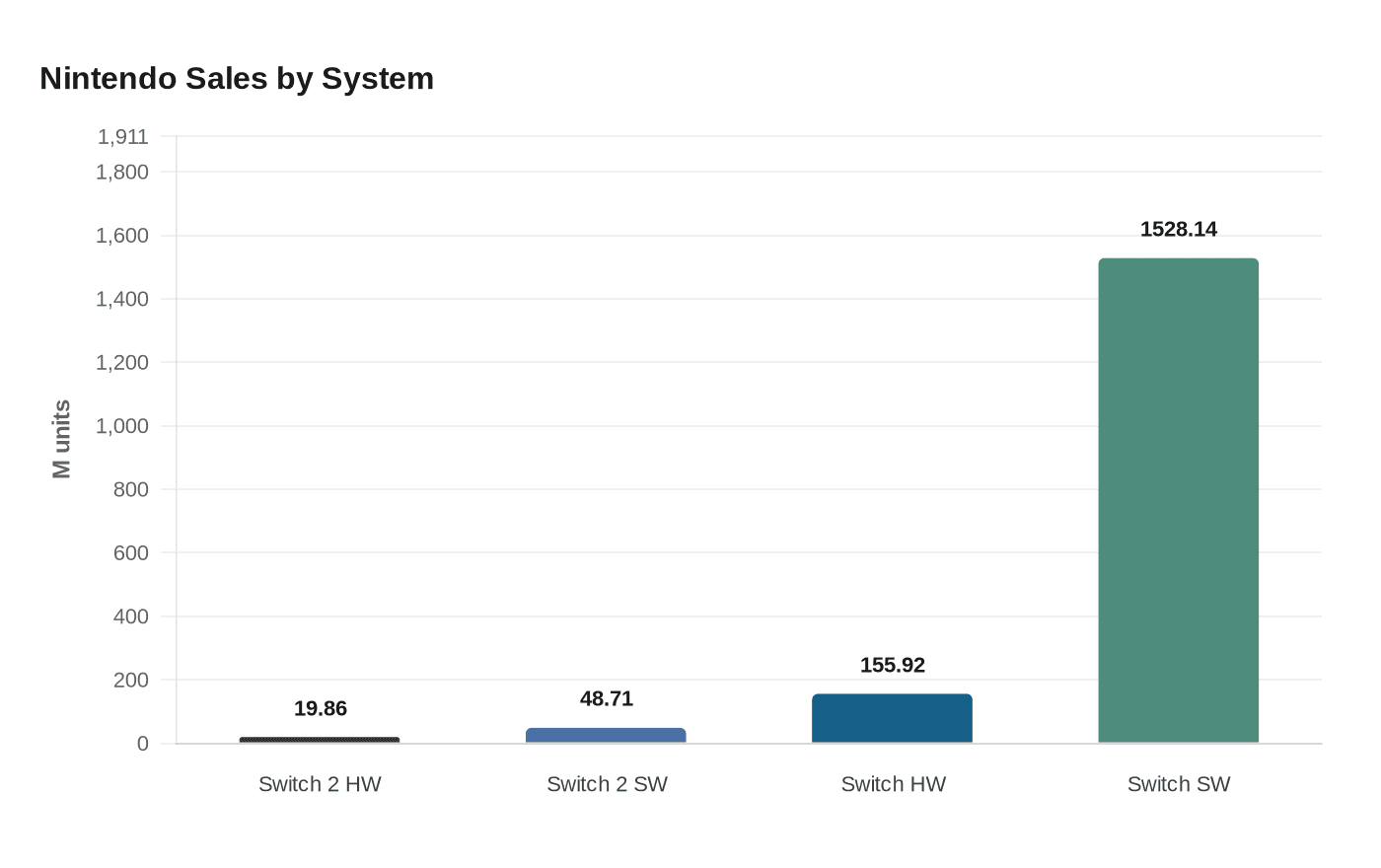
Nintendo’s latest official sales data, as of March 31, 2026, showed Switch 2 hardware at 19.86 million units and Switch 2 software at 48.71 million units worldwide. The original Switch remained the larger business by a wide margin, with 155.92 million hardware units and 1,528.14 million software units sold worldwide. Those numbers help explain why Amazon’s shelves still tilt so heavily toward Nintendo: the company has a massive installed base, and its first-party catalog keeps converting that audience into sales.
For Nintendo’s developers, producers, QA teams, localization staff, and merchandisers, the Amazon snapshot is more than a vanity metric. It reflects how tightly the company’s release planning, quality control, and franchise management have to work across two hardware generations at once. A strong first-party lineup can still carry the retail conversation, but it now has to do double duty, sustaining Switch’s long tail while giving Switch 2 a clean, high-demand runway.
Know something we missed? Have a correction or additional information?
Submit a Tip