Nintendo training benefits may qualify as tax-free under IRS rules
IRS rules can make some Nintendo training cheaper to provide, which could help teams upskill in AI and technical work without adding taxable pay.
Nintendo’s own talent programs already hint at the bigger story here: training is no longer a side perk, it is part of how a quality-first game company protects craft. The IRS is now making that easier to see in tax terms, because employer-provided AI literacy and skill-development programs may be tax-free when they maintain or improve skills for the current job.
Why the IRS rule matters for Nintendo
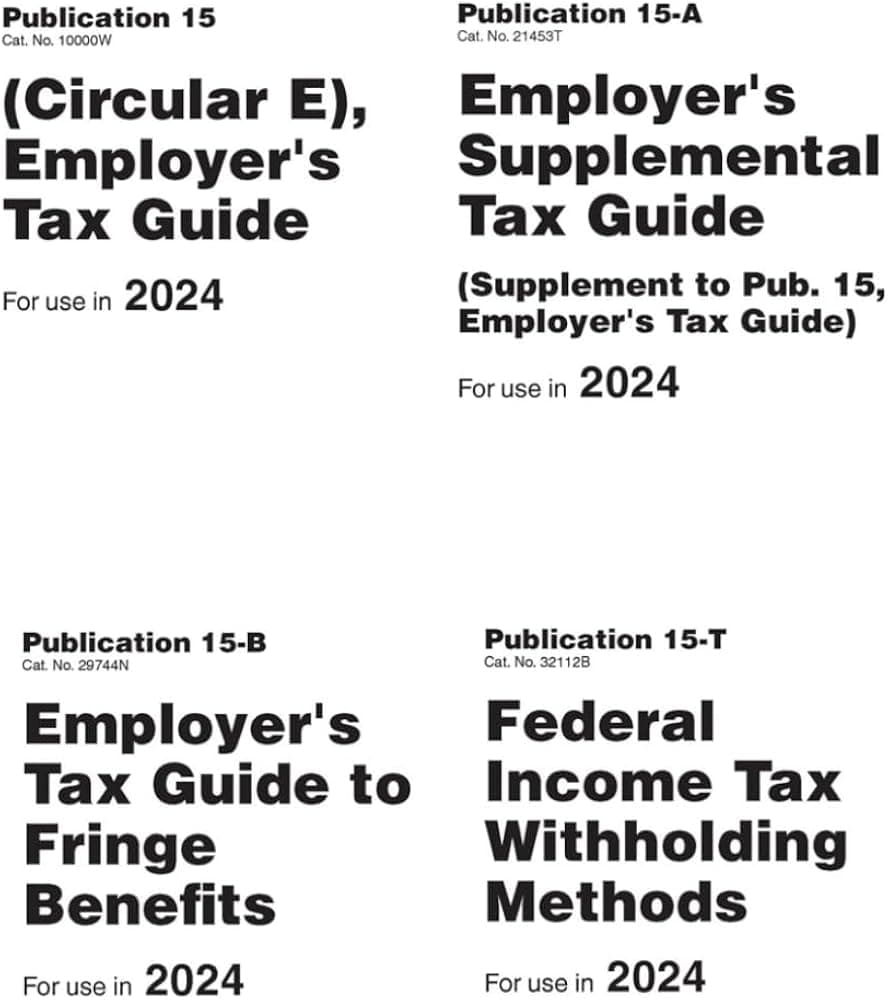
Publication 15-B, the IRS employer guide for fringe benefits, is the document companies use to decide whether a benefit is taxable. That matters because fringe benefits are generally treated as pay unless a specific exclusion applies, so managers cannot assume a training perk is automatically tax-free just because it feels work-related. For Nintendo teams, the practical question is whether a course or program is tied closely enough to the employee’s current role to qualify as a working condition fringe benefit.
That distinction is especially important in a business where workflows shift quickly. AI literacy, engineering tools, art pipelines, QA automation, localization systems, and business analytics all evolve fast enough that a training budget can either look like a nice-to-have or a core operating expense. The IRS language gives managers a cleaner basis to support the latter, especially when the training clearly maintains or improves current job skills rather than preparing someone for a different career track.
What Publication 15-B says in 2026
The 2026 version of Publication 15-B says employer-provided AI literacy and skill-development programs may be tax-free as working condition fringe benefits if they maintain or improve employee skills in the current job. That is a modest sentence with real consequences, because it gives employers a path to support learning without automatically turning the benefit into taxable compensation.
The same guide also shows how closely the IRS polices employee perks. For 2026, the monthly exclusion for qualified parking is $340, and the monthly exclusion for commuter highway vehicle transportation and transit passes is also $340. For plan years beginning in 2026, health FSA salary-reduction contributions cannot exceed $3,400. And when the guide was issued, the 2026 business mileage rate had not yet been published. Taken together, those details signal that training support sits inside a broader tax system where the category of a benefit matters almost as much as the benefit itself.
How Nintendo already frames development
Nintendo’s CSR materials give this discussion an internal anchor. The company has a section called “Talent Cultivation and Development,” which is a strong signal that employee growth is treated as part of operations, not a perk layered on top. In its employee materials, Nintendo describes initiatives aimed at creating an environment where each employee can realize maximum potential.
The company’s regional operations also show that compliance and development are already built into the employee experience. Nintendo of America says employees receive annual training on its Code of Business Conduct, and it provides ongoing human-rights training for employees engaged with supply-chain and business-partner work. Nintendo of Europe gives all new employees Code of Conduct training, along with periodic refresher training on human rights, non-discrimination, and equal treatment. That matters because it shows the company already uses structured training to shape behavior, not just to fill skill gaps.

Where managers can use this in practice
For managers deciding whether to fund training, the tax angle is not just about saving money. It can change the way a training request is approved, documented, and tied back to the role. If the program is designed to maintain or improve current job skills, it may fit more cleanly into a tax-advantaged structure than a broader educational benefit that drifts into personal development or future-career territory.
That is where Nintendo’s operating reality comes in. A QA tester who learns automation tooling, a localization team member who sharpens workflow software, an engineer who trains on AI-assisted coding, or an analyst who builds stronger data skills is not necessarily changing careers. They are getting better at the job Nintendo needs them to do right now, which is exactly the kind of use case that helps a manager justify support under the IRS framework.
- Does the course clearly improve current performance?
- Can the team explain how it supports today’s responsibilities?
- Is it connected to a real workflow, tool, or system used inside the company?
- Does it strengthen quality, speed, consistency, or compliance?
A sensible approach for leaders would be to think in terms of job relevance:
When those answers are yes, the training starts to look less like a loose benefit and more like an operational investment.
Why this matters for retention and quality
This is where policy and workplace culture meet. Nintendo is known for a quality-first development mindset, and that standard gets harder to preserve if workers cannot keep up with new tools or expectations. Training support that is easier to administer and easier to classify can lower the friction for managers who might otherwise postpone development spending, especially when budgets are tight.
There is also a retention angle. Employees who can learn new tools and methods without personal financial strain are more likely to grow inside the company instead of looking elsewhere for development opportunities. In a global organization that says its goal is to put smiles on the faces of everyone Nintendo touches, including employees, business partners, shareholders, investors, and the global environment, that is not a small point. It suggests development is not just about morale, but about sustaining the craft and stability that Nintendo’s games depend on.
The bigger takeaway is simple: if Nintendo wants employees to adapt to AI-assisted and data-driven workflows without lowering standards, tax-aware training design can help. The IRS rules do not replace strategy, but they can make the strategy cheaper, cleaner, and more realistic to put into practice.
This article was produced by Prism’s automated news system from verified source data, official records, and press releases, then run through automated quality and moderation checks before publishing. The system is built and supervised by the people who set the standards it runs under. Read our full AI policy.
Did this article answer your question?
