Nintendo weighs lowering stock trading unit to broaden investor access
Nintendo said it is still weighing a lower trading unit, aiming to widen access without losing control over liquidity, shareholder mix, and market pressure.
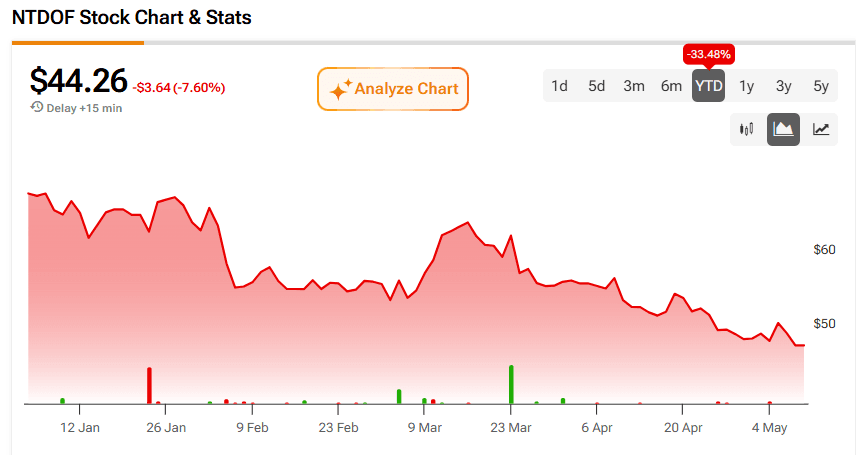
Nintendo said it will keep evaluating whether to lower its stock trading unit, calling the move one of the effective ways to expand its investor base and improve stock liquidity. The company said it is looking at share price, trading liquidity, shareholder structure, stock-market trends and cost-effectiveness before deciding whether to act.
For Nintendo, the choice is bigger than a technical market tweak. A lower trading unit would not change Mario, Zelda or the way a game gets shipped, but it could change who can more easily buy into the company and how much day-to-day scrutiny lands on release timing, software cadence and the hardware roadmap. That is the tradeoff management appears to be weighing: broader retail access on one side, and a more crowded shareholder table on the other.

The company has already moved once in that direction. Nintendo enacted a 10-for-1 stock split effective Oct. 1, 2022, and said at the time that the split was meant to reduce the minimum investment price, increase liquidity and further expand the investor base. Its latest disclosure places the trading-unit question in the same policy lane rather than treating it as a one-off capital-markets gesture.
Japan’s market rules leave room for that discussion. Japan Exchange Group standardized domestic stock trading units to 100 shares on Oct. 1, 2018, after a transition intended to make trading easier for investors. Under those rules, each listed company sets its own trading unit in its articles of incorporation, so Nintendo can choose whether to keep its current structure or move again.
The question lands against a shareholder base that is already heavily institutional. Nintendo’s status-of-shares page lists 1,344,312 hundred treasury shares and major holders including The Master Trust Bank of Japan and JPMorgan Chase Bank, alongside other large custodians. The company held its 86th Annual General Meeting of Shareholders on June 26, just days before the latest disclosure, keeping governance and investor-access issues front and center.
Nintendo is also reshaping its capital structure more broadly. In 2026, it completed a secondary offering tied to unwinding cross-shareholdings, part of a wider Japanese governance push toward cleaner ownership structures and more liquid markets. With market-data providers putting Nintendo’s market capitalization at roughly JPY 7.6 trillion in late June, even a seemingly small change in the trading unit could affect how broad the investor base becomes and how the company is priced as it steers hardware, software and platform investments.
This article was produced by Prism’s automated news system from verified source data, official records, and press releases, then run through automated quality and moderation checks before publishing. The system is built and supervised by the people who set the standards it runs under. Read our full AI policy.
Did this article answer your question?
