Nintendo weighs Switch 2 OLED model amid rising cost concerns
Nintendo is weighing a Switch 2 OLED model, but rising component and memory costs are forcing a margin call. The original OLED refresh showed how premium screens can extend a cycle.

Nintendo is weighing a Switch 2 OLED model, but rising component and memory costs are turning the upgrade into a margin decision as much as a hardware one. The choice would ripple through engineering, sourcing, pricing and retail planning at the Kyoto company, just after the standard Switch 2 reached the U.S. on June 5, 2025 at a suggested retail price of $449.99.
That base model opened strong. Nintendo said the Switch 2 sold more than 3.5 million units worldwide in its first four days, the fastest global launch ever for its hardware. For product teams, that kind of early momentum makes a premium follow-up easier to imagine, but not easier to build. A Switch 2 OLED would have to justify its added bill of materials against a market that is already carrying a higher entry price than the original Switch family did.
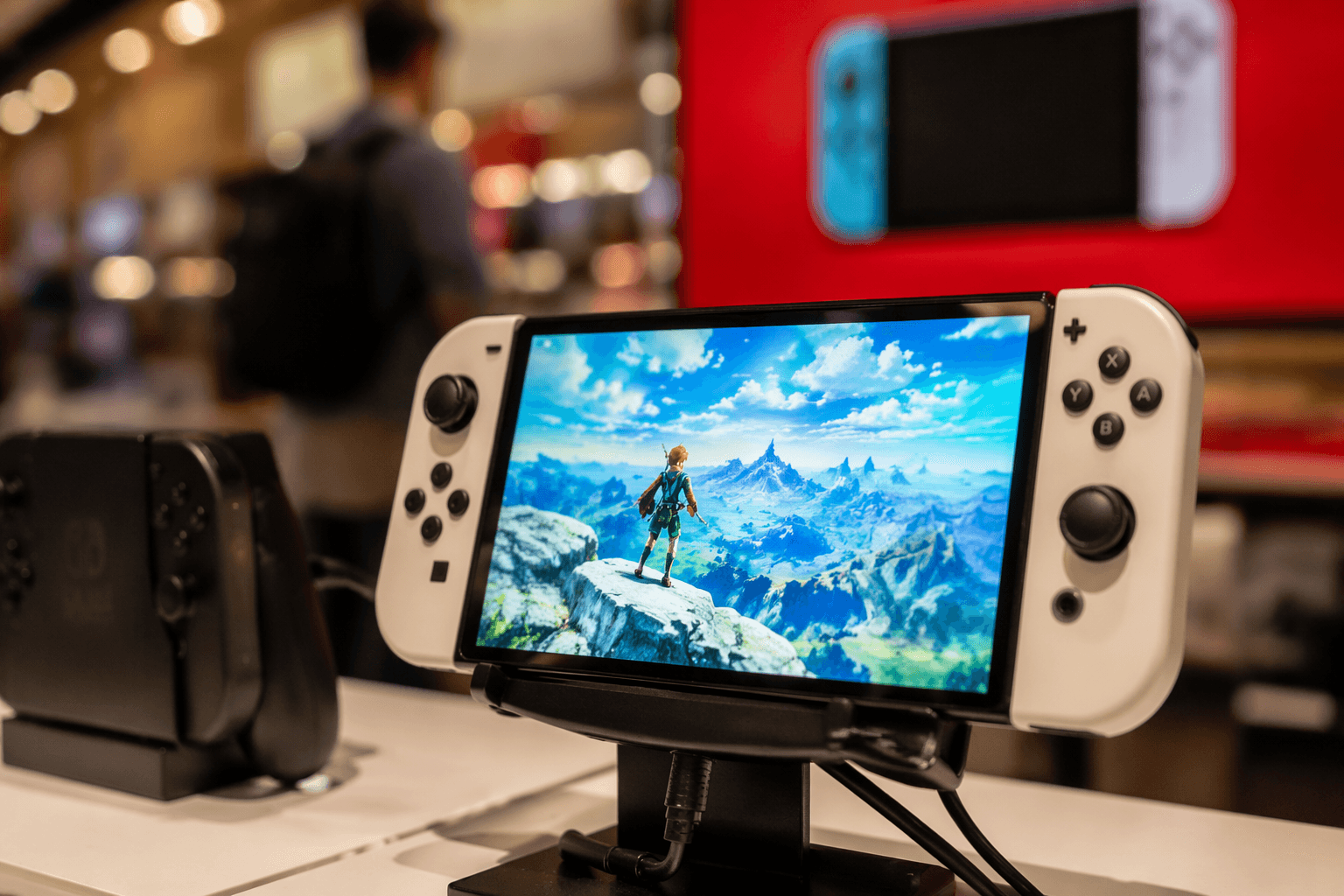
Nintendo has done this before. The company launched the Nintendo Switch (OLED model) on October 8, 2021 for $349.99, adding a 7-inch OLED screen, improved audio, a wider adjustable stand and 64GB of internal storage. That revision gave retailers a clear upsell and gave Nintendo a way to stretch the life of the first Switch without changing the core platform. A similar move for Switch 2 would create a premium tier that could keep the system in the spotlight longer, if the economics still work.
The problem now is cost. Nintendo said in April 2025 that Switch 2 would use an LCD display rather than OLED, citing display technology considerations and HDR support on the new system. That baseline choice suggests the company already viewed OLED as too expensive, or too hard to support, for the launch hardware. If leadership reopens the question, hardware engineers and supply-chain planners will have to balance display sourcing, memory pricing and component availability before any retail team can promise a clean second-wave product.
Some industry speculation now pushes any OLED-based Switch 2 revision out to 2027 or 2028, which would make it less of a near-term fix and more of a mid-cycle premium play. That is exactly the kind of decision Nintendo’s hardware, pricing and channel teams would need to absorb if the company decides the margin tradeoff is worth it.
This article was produced by Prism’s automated news system from verified source data, official records, and press releases, then run through automated quality and moderation checks before publishing. The system is built and supervised by the people who set the standards it runs under. Read our full AI policy.
Did this article answer your question?