Nintendo's Hiring Tracks Span New Graduates, Mid-Career Roles, and Contract Positions
Switch 2 HOME menu PM postings signal Kyoto HQ's platform hiring surge, while Redmond localization listings reveal how Nintendo's four hiring tracks map across disciplines and regions.
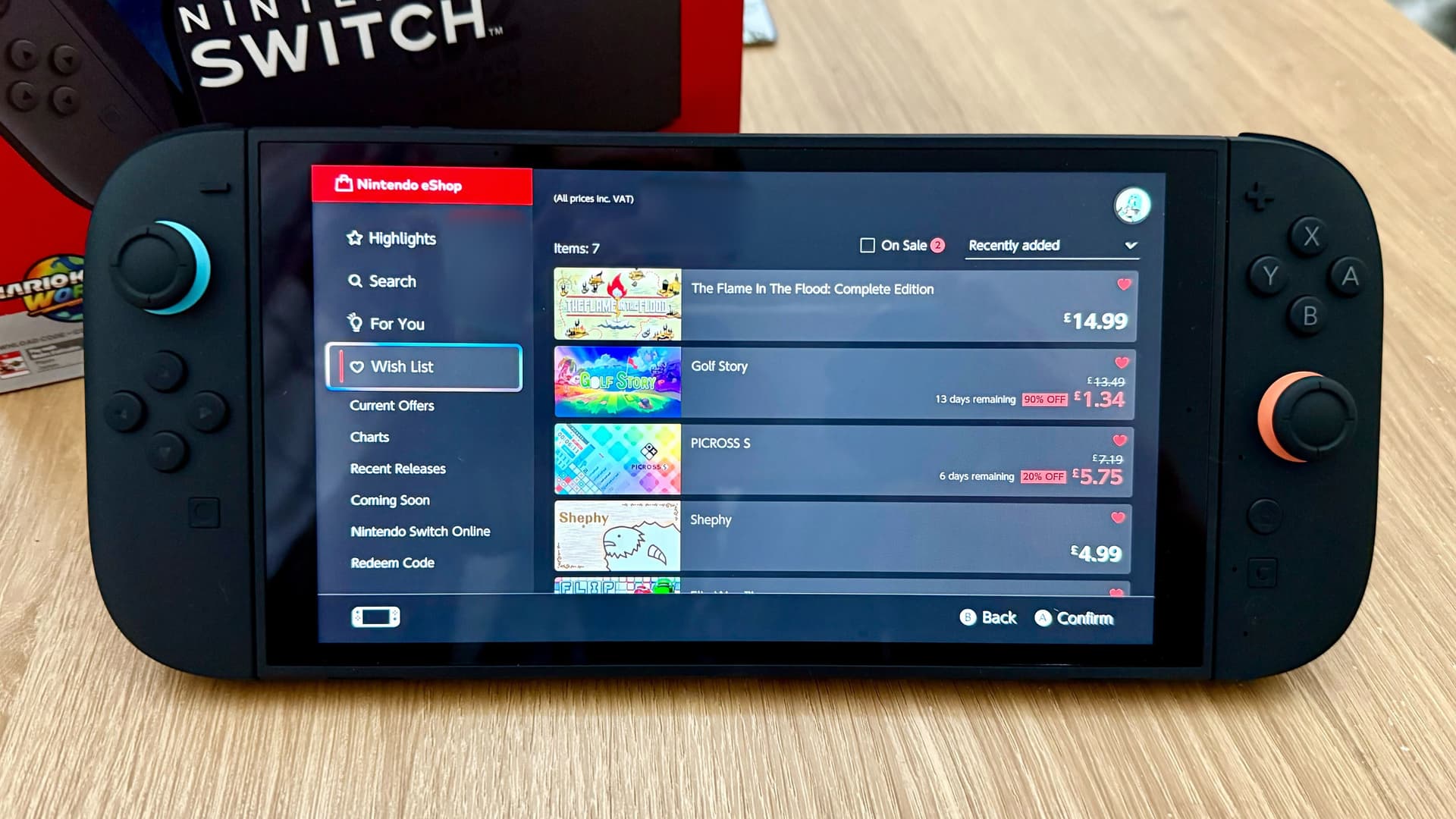
The Switch 2 HOME menu Product Manager listing that appeared on Nintendo's careers site on March 30 is a small data point with outsized implications. It confirms that Kyoto HQ is actively staffing platform and systems leadership roles while the hardware cycle matures, and it illustrates how Nintendo's structured hiring framework channels candidates through four distinct tracks depending on career stage, contract type, and discipline. Understanding how those tracks intersect is the difference between a generic application and one that lands.
Nintendo's Four Hiring Tracks
Nintendo organizes its external hiring into four publicly listed categories, each with its own cadence, audience, and signal value for anyone reading the jobs page as a barometer of company direction.
New graduate recruitment (新卒採用) operates on an annual cycle, targeting entry-level engineers, designers, sound creators, and production staff. The program is structured around long-term development: Nintendo posts job descriptions, hosts recruitment events, and runs internships as feeder pipelines for full-time offers. The emphasis on company-specific training signals that Nintendo expects to build expertise internally rather than importing it wholesale from other studios, which shapes what early-career candidates should emphasize in applications.
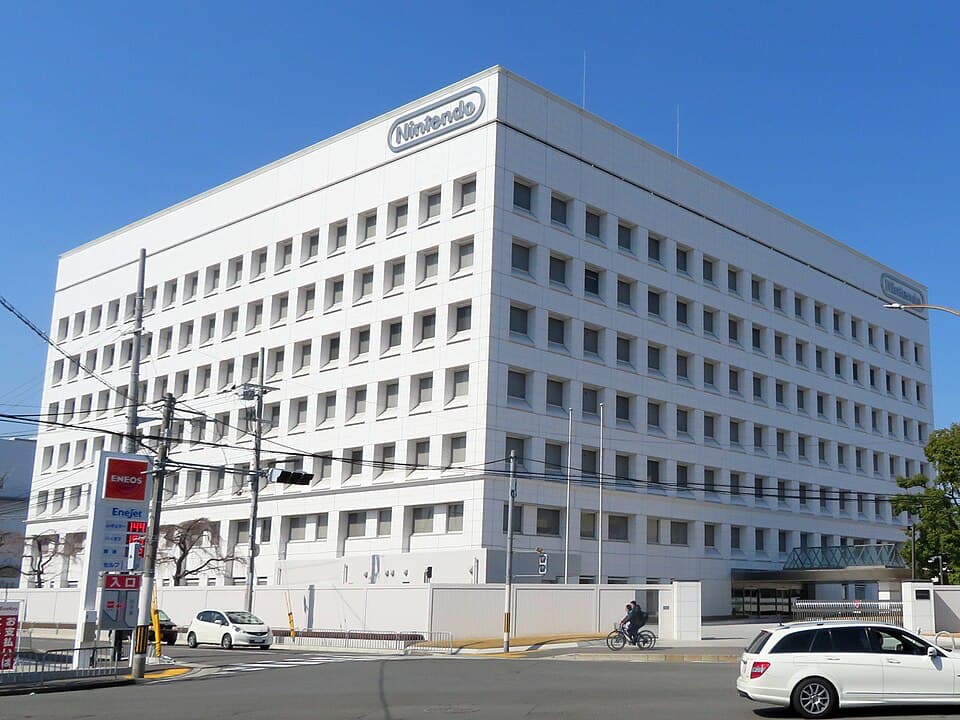
Mid-career recruitment (キャリア採用) is where the most operationally specific signals appear. Nintendo posts roles across a wide band of functions, from system engineers and graphic designers to cutscene specialists, tax staff, and product managers. The March 30, 2026 listings for a Product Manager overseeing the Switch 2 HOME menu and eShop services are the clearest recent example of what this track looks like in practice: a specific product scope, a specific platform context, and a clear anchor in Kyoto HQ. Mid-career hires are expected to bring domain expertise from day one rather than developing it through rotation.
Project-based and contract hiring covers roles built around discrete deliverables rather than ongoing headcount. Animation, environment art, language QA, and localization testing all appear in this channel, making it the primary route for freelancers and vendor-managed teams who support regional releases and patch cycles. This track is less prominent on the main careers page but matters enormously for QA and localization capacity planning.
Nintendo also maintains a disability hiring and inclusion track, with listings that include accessible application pathways and dedicated internal support services. This stream reflects a formal commitment to inclusive employment and operates with its own application infrastructure, distinct from the general careers funnel.
What Each Discipline Should Know
Developers and Engineers
Platform-level hiring tied to Switch 2 HOME menu and eShop integration is the clearest current signal for software engineers. These roles imply system software work, account services integration, and the cross-functional planning that accompanies a platform launch cycle. When Nintendo recruits product managers for platform functions, engineering teams typically follow: system-integration testing windows, platform QA cycles, and SDK coordination tend to ramp in parallel. Engineers targeting mid-career roles in this space should ensure their experience reflects system-level software work rather than game-client or title-specific code.
Designers (UI/UX and Graphic)
System UI roles at Nintendo require a specific kind of portfolio credibility. Designers working on HOME menu and system UX decisions sit at the intersection of first-party title teams and platform infrastructure, meaning every design decision carries franchise aesthetic weight. Nintendo's postings for graphic and UI designers in this space signal an expectation of localization-ready asset production: style guides, UX copy checks, and assets that hold up across regional markets are recurring deliverables. A portfolio that demonstrates system-level design thinking, rather than standalone concept or title art, maps more directly to what these roles require.
QA Testers and Localization
Hiring surges in QA and localization track closely with platform feature rollouts and first-party launch calendars. Language QA and localization tester postings appear on regional job boards, with Redmond listings specifically covering language QA roles, a distribution that reflects Nintendo of America's role in English-language and multi-language certification work. For anyone in localization, the project-recruitment channel is the most relevant to monitor: string-freeze timelines and test schedule alignment depend on visibility into when Nintendo is actively recruiting for these roles. A spike in project-track localization postings is a reliable early indicator that a system rollout or title launch is approaching its certification window.
Business and Corporate Staff
Corporate IT, tax, supply chain, people and HR functions all appear in Nintendo's mid-career listings. On the commercial side, work tied to eShop, account services, and franchise marketing or IP licensing is the most active current cluster, consistent with the platform-services expansion implied by the Switch 2 product manager postings. Business candidates should read the eShop and account-services hiring activity as a signal that commercial infrastructure is being staffed ahead of a broader platform push, not simply replacing attrition.
The Geography of Hiring: Kyoto and Redmond
Nintendo's hiring geography is not symmetrical. Platform and product leadership, including the Switch 2 HOME menu and eShop PM roles, anchors in Kyoto HQ, reinforcing that core system decisions flow from Japan. Mid-career applicants for platform roles should enter the process with clear expectations about relocation or hybrid arrangements; the Kyoto-centric nature of these postings is deliberate, not incidental. Redmond concentrates language QA, localization, and regional commercial functions, making it the relevant hiring center for anyone working in North American certification workflows or franchise marketing for the Americas.
Internal Mobility and the Contract-to-Full-Time Signal
Nintendo's careers pages explicitly support internal candidates, and the company encourages internal applications for many mid-career roles. For managers, that means succession planning and backfill timelines are directly tied to how visible internal mobility pathways are to their own teams. The project-hiring channel also provides a softer form of contract-to-full-time optionality: vendor-managed and freelance contributors who work across release windows and QA events build the kind of demonstrated familiarity with Nintendo's workflows that can translate into longer-term engagement. Cutscene designers, environment artists, and localization testers working on project contracts are the most frequently positioned for extended relationships, particularly during platform transition periods when headcount needs are difficult to forecast from a full-time hiring model alone.
The pattern across all four tracks is consistent: Nintendo structures its hiring to distinguish between roles it builds internally over time, domain specialists it recruits from outside, and project contributors it mobilizes for specific delivery windows. Reading the public postings as a system rather than as individual listings reveals where the company is investing ahead of a platform cycle, and where the entry points into those tracks are widest.
This article was produced by Prism’s automated news system from verified source data, official records, and press releases, then run through automated quality and moderation checks before publishing. The system is built and supervised by the people who set the standards it runs under. Read our full AI policy.
Did this article answer your question?