Nintendo’s Japan launch of Powerful Pro Baseball 2026-2027 shows regional strategy matters
Powerful Pro Baseball 2026-2027 shows Nintendo’s Japan-first software strategy is an operating choice, not a side note. For staff, that means regional depth still drives platform relevance.

Powerful Pro Baseball 2026-2027 is the kind of release that reminds Nintendo’s teams why regional software still matters. Nintendo’s Japan home page marked the game as a June 11 Nintendo Switch launch, and Konami framed it as a 30th anniversary entry for Success mode built for players who expect annual iteration, not one-time spectacle.
A Japan-first launch with workplace consequences
Nintendo’s Japan topic post treated the game as a same-day domestic release, which tells you where this title sits in the company’s operating priorities. It is not being positioned as a global tentpole on the scale of Mario or Zelda, yet it still carries real platform value because it keeps a deeply loyal Japanese audience engaged with Nintendo hardware.
That distinction matters inside the company. Publishing, localization, retail, and platform teams all work differently when the goal is to sustain a region-specific franchise with a long memory instead of pushing a universal blockbuster. A game like Power Pros is a reminder that Nintendo’s business depends not only on worldwide hits, but also on software that feels essential in Japan even when it travels less cleanly abroad.
The package is built for depth, not novelty
The Nintendo Store listing shows how much content Nintendo and Konami are packing into the release. The downloadable version is priced at 8,470 yen, the premium edition is 10,670 yen, and the title requires 10.2GB of storage on Nintendo Switch and Nintendo Switch 2. It supports 1 to 4 players, with local communication for 2 players and internet communication for 2 players, which signals a product designed to live beyond a single solo campaign.
That commercial setup is revealing. This is not a lightweight annual update meant to be bought and forgotten, but a broad software package aimed at retention, repeat play, and long-tail spending through familiarity. For retail and platform teams, the message is clear: regional software can justify premium pricing when the content depth is strong enough and the fan base already knows the franchise language.
Success mode still does the heavy lifting
The center of gravity here is Success mode, which Konami says is being celebrated with a 30th anniversary title. The game includes nine Success scenarios in total, led by the new Parallel All-Stars scenario and a World Baseball Classic scenario set in the 2026 World Baseball Classic. Konami also revived five popular scenarios from Power Pro 2016 onward, alongside classic options such as Chosen High School and Saku Success.
That mix says a lot about how legacy franchises survive inside a quality-first culture. The team has to keep the systems recognizable enough that returning players feel at home, while still adding enough new material to justify another year of attention. In practice, that means balancing nostalgia, content cadence, and scenario design so the series keeps its identity without freezing in place.
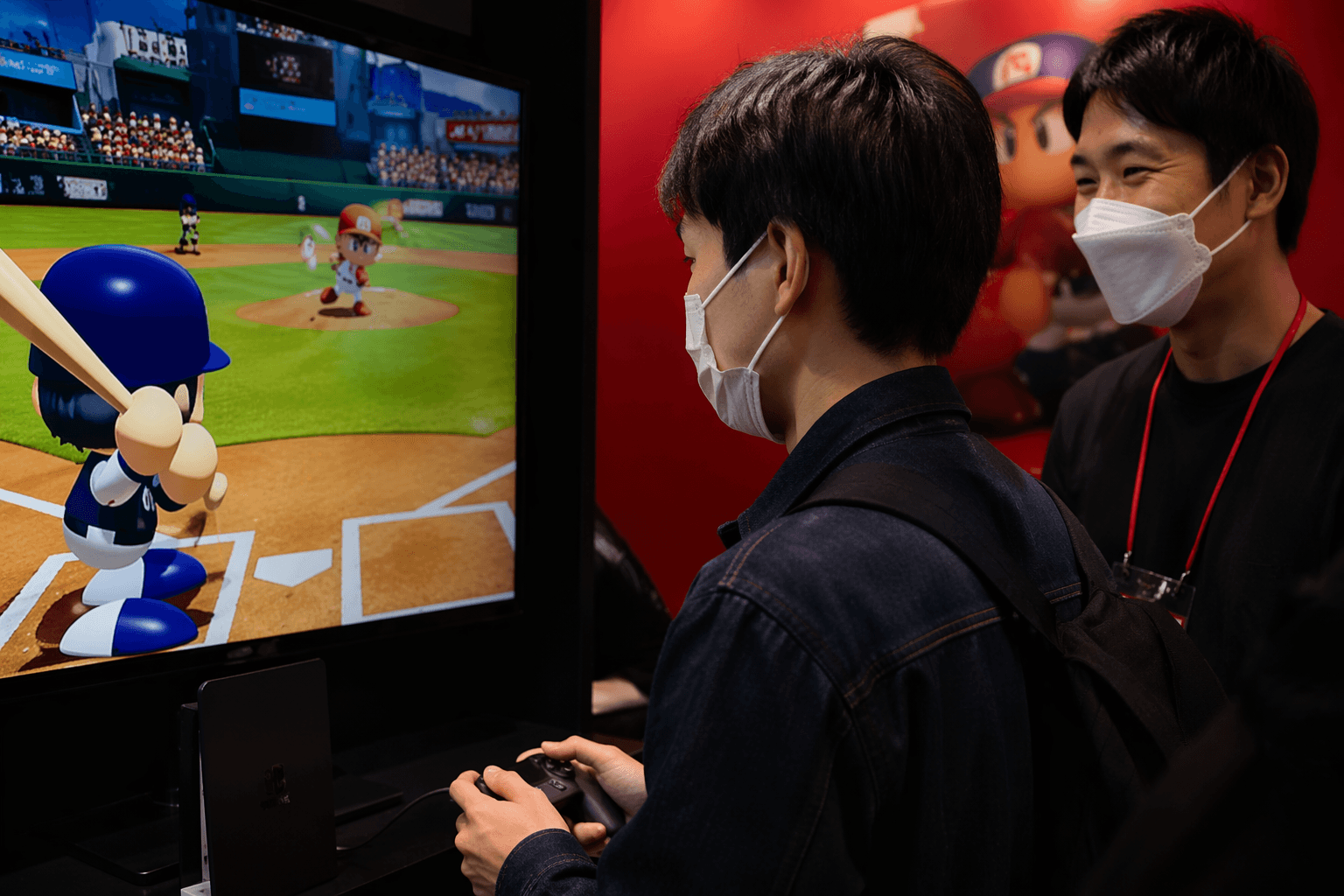
The rest of the package reinforces that approach. Konami says the game includes staples such as Pennant, Eikan Nine, Powerfes, My Life, and other familiar modes, and the company described the release as having one of the largest content volumes in the franchise. Even the official materials around the game go beyond the disc or download, with Konami posting off-vocal song assets and usage guidelines on the official site, which is the sort of support infrastructure that helps a long-running series stay usable for events, promotions, and fan communities.
Why this matters for Nintendo’s platform strategy
The larger lesson is that regional franchises are not a distraction from platform strategy. They are part of it. A title can have limited international visibility and still strengthen the value of Nintendo hardware at home, where software relevance often depends on local sports culture, annual habits, and franchise loyalty as much as on global brand recognition.
That is especially visible in Power Pros, where Japan-first support keeps the platform connected to a specific audience with specific expectations. Global-blockbuster thinking tends to privilege the biggest possible audience, but Nintendo’s business also benefits from software that serves a narrower market extremely well. For employees, that means regional planning is not a secondary track, it is an operating discipline that affects content roadmaps, market communication, SKU planning, and the way teams judge success.
Localized content still builds platform trust
Konami’s feature materials show how carefully this entry is tied to current baseball relevance. The official site highlighted Shohei Ohtani’s abilities, and the World Baseball Classic mode lets players use historical Japan national teams as well as the national teams competing in the 2026 tournament. That gives the game immediate cultural traction in Japan, where baseball is more than backdrop, it is part of the franchise’s identity.
This is where Japan HQ and global-office dynamics become visible. A game like this is not just a translation problem, it is a decision about what the platform should mean in each market. The work for localization and regional publishing teams is not to flatten the product into a global template, but to preserve what makes the Japanese version matter so much in the first place.
Nintendo benefits when it treats that kind of software as strategic rather than niche. Powerful Pro Baseball 2026-2027 shows that a platform can stay relevant by supporting region-specific depth, even when the title never becomes a worldwide flagship. That is not an exception to Nintendo’s business model. It is one of the reasons the model keeps working.
This article was produced by Prism’s automated news system from verified source data, official records, and press releases, then run through automated quality and moderation checks before publishing. The system is built and supervised by the people who set the standards it runs under. Read our full AI policy.
Know something we missed? Have a correction or additional information?
Submit a Tip