Pocketpair says players do not want generative AI in games
Pocketpair’s John Buckley said it skips generative AI because players do not want it, a reminder that tool policy is now a trust signal, not just a workflow choice.
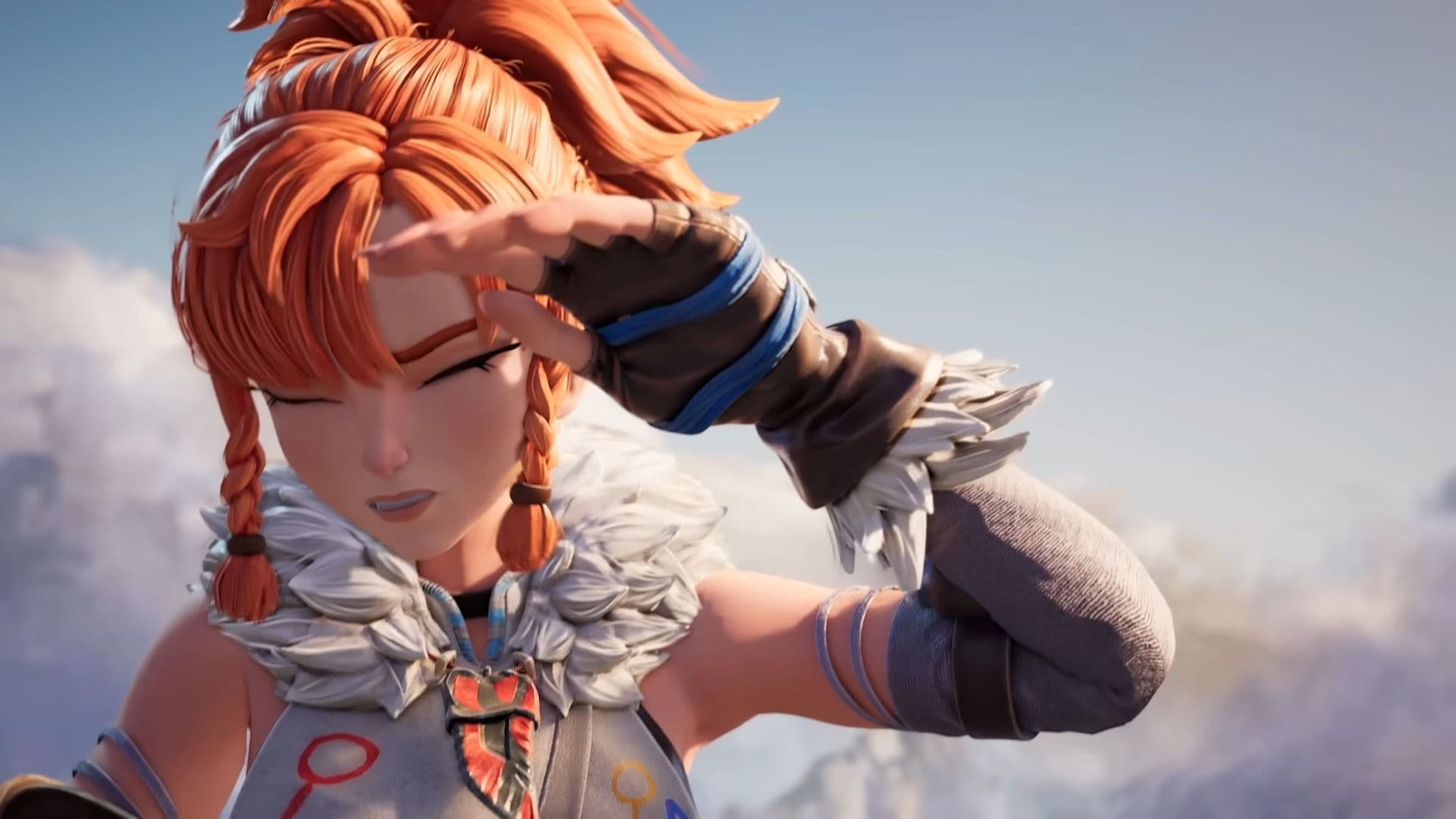
Pocketpair’s latest anti-gen-AI message is bigger than a stance on tools. By saying the studio does not use generative AI because players do not want it, communications director and publishing manager John Buckley turned a production choice into a public test of trust, creative control, and brand fit.
That matters for Nintendo because the same logic now shapes how studios signal quality to both consumers and future hires. If a company tells players it will not lean on generative AI, it is also telling designers, writers, localization staff, and QA teams that human judgment still counts. In a market where franchise tone and continuity can be as important as feature lists, that is not a minor cultural note. It is an employer-brand decision.
Buckley had already drawn a line around the kind of partner Pocketpair wants to be. He said the studio “doesn’t believe in it” and that it is “not the right partner” for projects that are “big on AI stuff,” Web3, or NFTs. He also said some developers are now clarifying that their games are “100 percent human-made,” calling the prospect of having to market games that way “dystopian.” That language captures the pressure point for the industry: once disclosure becomes part of the pitch, the technology debate stops being abstract and starts affecting how studios sell themselves.
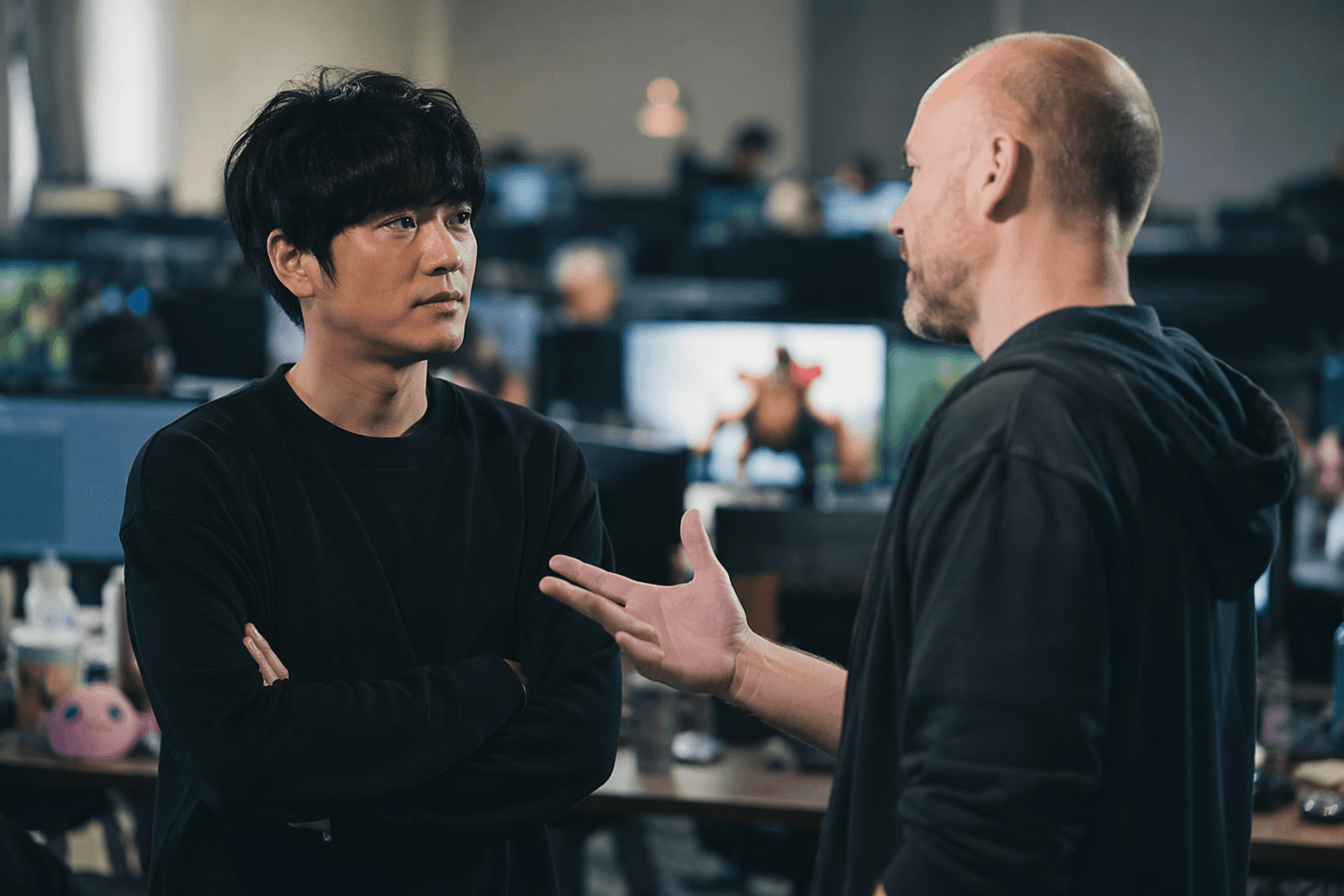
Nintendo has approached the same question from a different angle, but the underlying concern is similar. On July 3, 2024, president Shuntaro Furukawa said Nintendo had long used AI-like technology for things such as enemy character behavior, while generative AI raised intellectual-property issues. In more detailed translated remarks, Nintendo said it wanted to keep delivering value that is unique to Nintendo and cannot be created by technology alone. For workers inside the company, that is a reminder that automation may support development, but it does not replace the standards behind a Mario, Zelda, or Kirby release.
Nintendo then sharpened that message in October 2025, when it issued an official denial after a Japanese lawmaker claimed the company was lobbying the government against generative AI. Nintendo said it had not contacted the Japanese government about generative AI and would keep taking action against IP infringement whether or not AI was involved. Taken together, the statements show a company treating generative AI as a governance issue, not a buzzword.

For Nintendo employees, the lesson is practical. Tool policy is becoming part of the talent story. Companies are no longer judged only on what they can automate, but on what they choose to keep human, and whether that choice still convinces players that the work is worth trusting.
This article was produced by Prism’s automated news system from verified source data, official records, and press releases, then run through automated quality and moderation checks before publishing. The system is built and supervised by the people who set the standards it runs under. Read our full AI policy.
Did this article answer your question?
