Reggie Fils-Aimé warns developers to watch for layoff-heavy employers
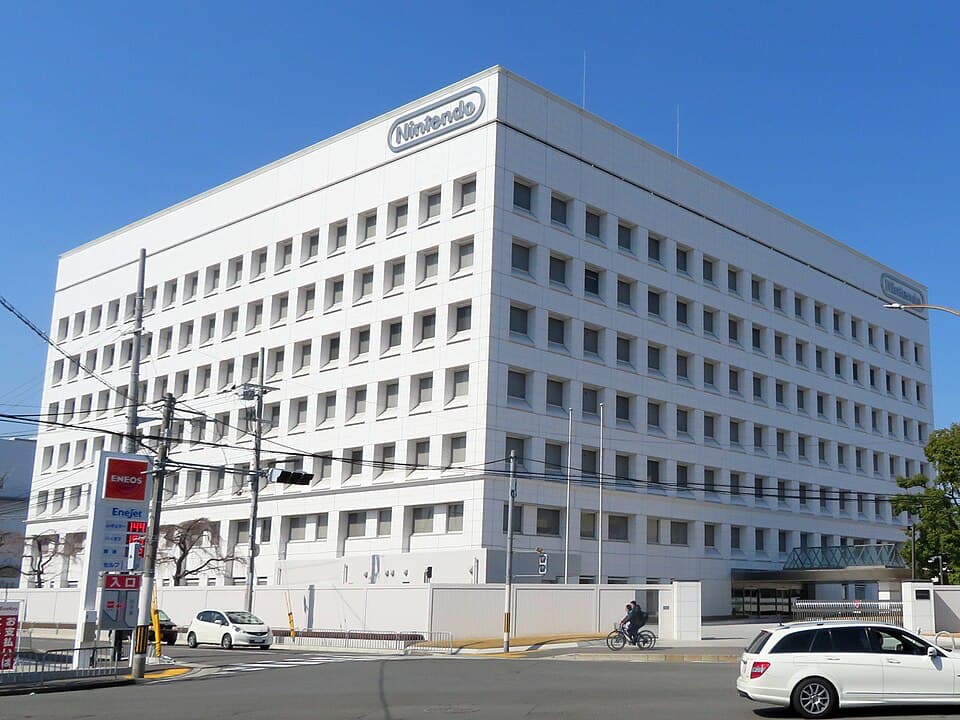
Reggie Fils-Aimé’s warning lands because Nintendo still sells stability as part of its employer brand, even as the games industry keeps cutting deep.

Reggie Fils-Aimé used a lecture at the NYU Game Center to turn a career warning into a clear hiring test: look hard at how a company treats layoffs, because repeated mass cuts are a signal. For developers entering a market where job security can disappear overnight, that advice carries extra force when it comes from a former Nintendo of America president and from a company whose reputation has long rested on continuity, not churn.
That contrast is part of why the comments resonated across Nintendo’s workforce and applicant pool. Nintendo’s careers pages still lean into long-term team building, with open roles across Nintendo of America, Nintendo Technology Development, Nintendo Software Technology, Retro Studios, Next Level Games and Shiver Entertainment, spanning offices and studios in Redmond, Vancouver, Austin and Miami. The company’s CSR philosophy also says its stakeholders include consumers, employees, shareholders and investors, along with the global environment, a framing that places labor alongside business performance rather than treating it as expendable.

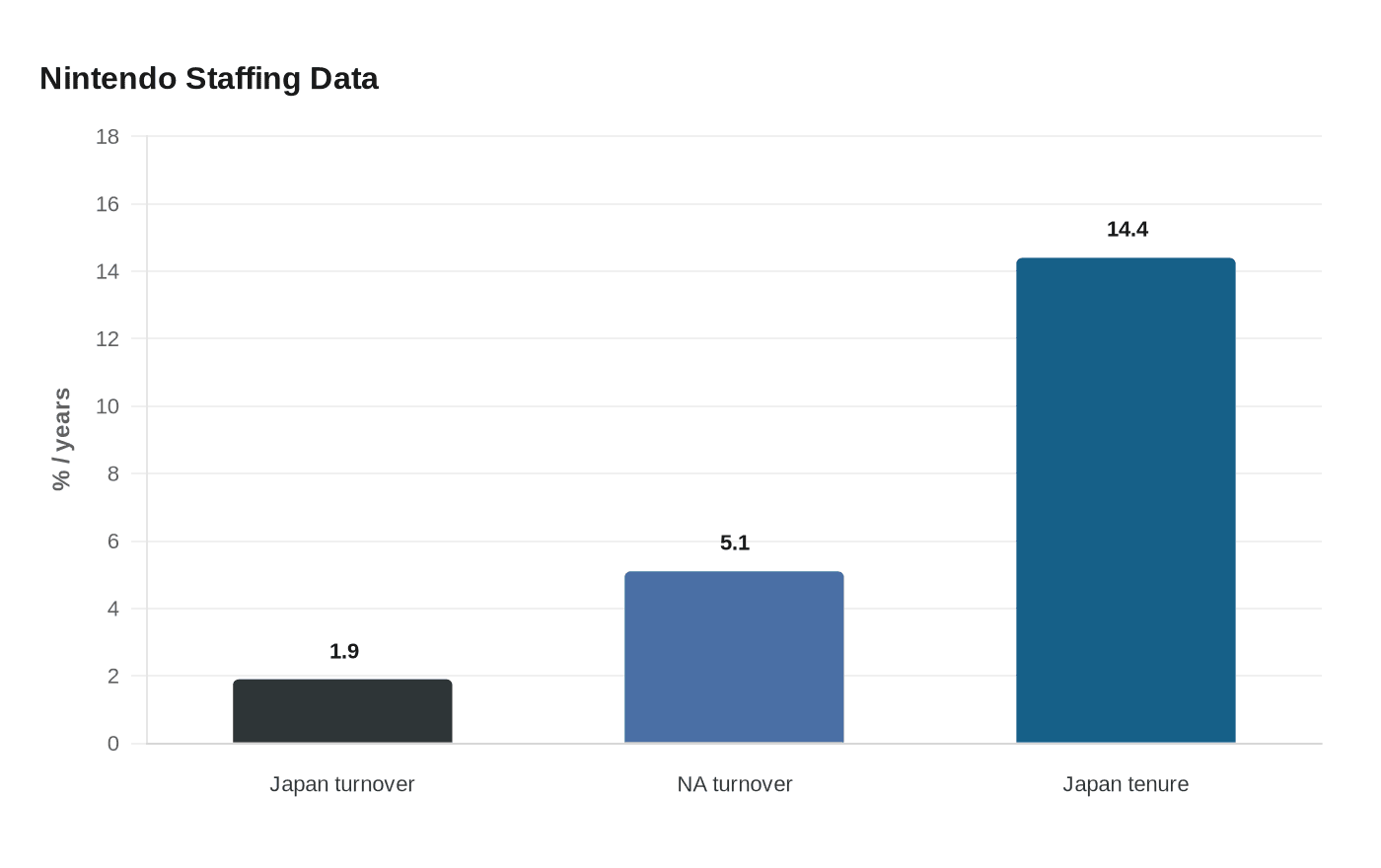
The numbers back up Nintendo’s stability pitch. For fiscal 2024-25, the company reported a 1.9% turnover rate in Japan and 5.1% at Nintendo of America, while average tenure in Japan stood at 14.4 years for the year ended March 31, 2025. Nintendo has continued to track retention, new hires and length of service in detail, a sign that long-term staffing remains part of the company’s identity. For workers in design, QA, localization and production, that matters because these jobs depend on institutional memory, cross-functional coordination and the kind of franchise stewardship that takes years, not quarters, to build.
Still, Nintendo’s record is not the same thing as immunity from restructuring. In March 2024, Nintendo of America reorganized product testing functions, ending some contractor assignments while creating new full-time positions. More than 100 contractors were affected, and some testers with more than 10 years of experience were among those let go. That mix of downsizing and conversion to full-time work shows the real issue for job seekers: stability is a pattern, not a guarantee, and it can still come with painful exceptions.
That is why Reggie Fils-Aimé’s warning lands less like nostalgia and more like a market filter. In an industry where Sony Interactive Entertainment announced about 900 layoffs, or roughly 8% of its global workforce, Nintendo’s comparatively steady staffing and slower-moving culture now function as a signal as much as a perk. Developers are not just weighing salaries or famous franchises anymore. They are judging whether a studio builds teams to last, or hires only until the next industry downturn.
This article was produced by Prism’s automated news system from verified source data, official records, and press releases, then run through automated quality and moderation checks before publishing. The system is built and supervised by the people who set the standards it runs under. Read our full AI policy.
Did this article answer your question?