Remedy CEO urges budget discipline, slow growth to preserve ambitious games
Remedy’s new CEO is pushing a €50 million ceiling mindset: slower hiring, tighter greenlights, and Asia growth without losing the studio’s polish.

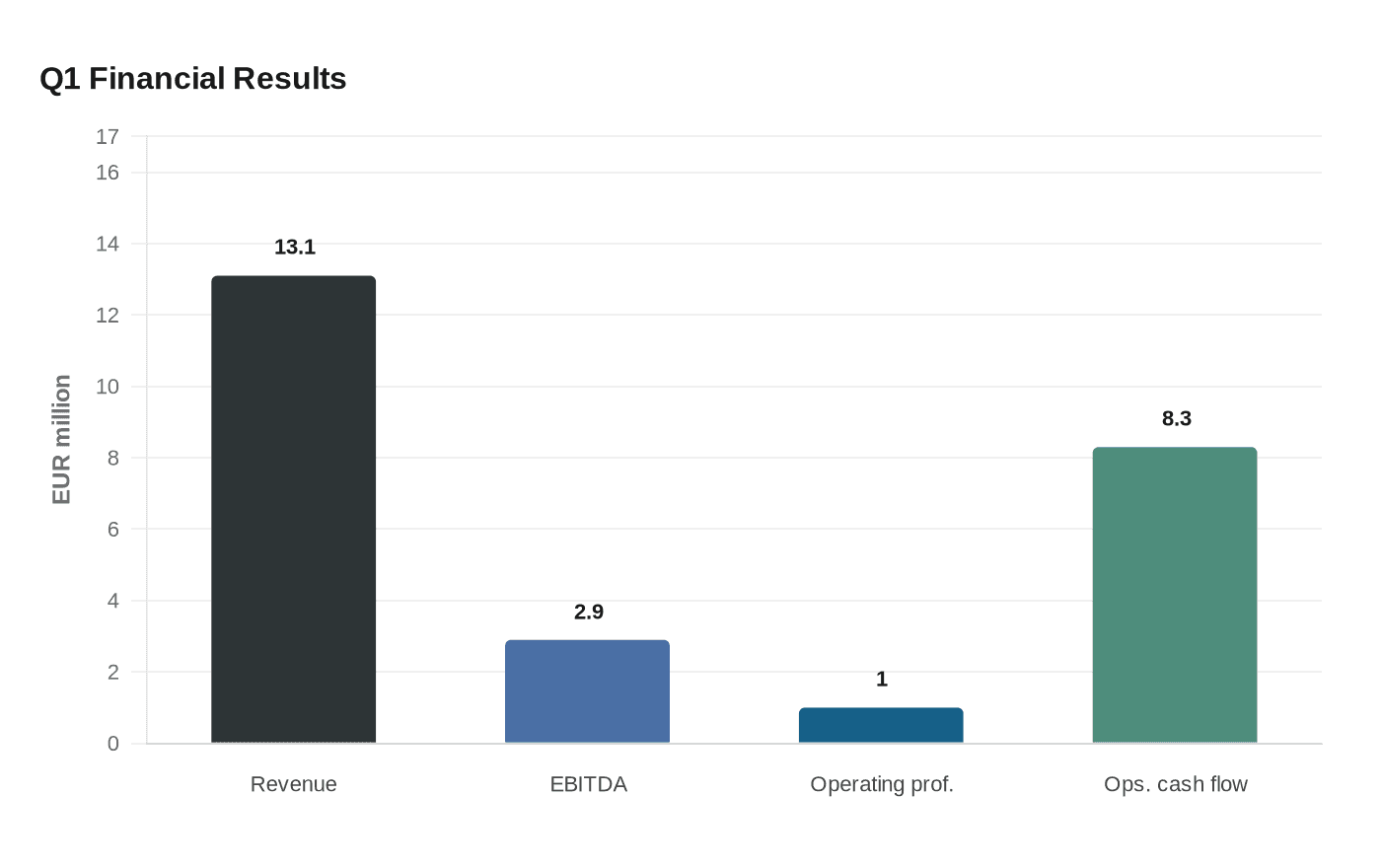
Jean-Charles Gaudechon used his first public turn as Remedy Entertainment’s chief executive to draw a clear line for a studio that still wants to make ambitious games without letting the budget run the show. He said Remedy has done a strong job building a triple-A game on a relatively small budget, referring to Control Resonant, which had an initial estimate of about €50 million, and argued the company has been smart about not moving too fast. That message landed alongside a profitable first quarter: revenue of EUR 13.1 million, EBITDA of EUR 2.9 million, operating profit of EUR 1.0 million and cash flow from operations of EUR 8.3 million, with headcount at 391.
The timing matters. Gaudechon was appointed in February 2026 and started on March 1, after Tero Virtala left in October 2025 and Markus Mäki filled in as interim chief executive. For a studio that has built its reputation on story-driven, visually polished action games, the shift is less about a new slogan than a management reset. Remedy’s own annual report describes it as a globally renowned studio, and Gaudechon’s background helps explain why the company is looking outward without sounding reckless. He spent more than 15 years at Electronic Arts, including profit and loss responsibility for Asia, and also worked at CCP Games’ studio in Shanghai.

That Asia push is more than a slide-deck ambition. Remedy wants to break into markets beyond its traditional Western base while keeping its identity intact, a familiar problem for any company trying to scale without turning every project into a compromise. Remedy also relies on its Northlight engine for most of its games, which keeps the studio tied to internal technical discipline as much as creative vision. Control Resonant is scheduled for 2026, and Remedy has already framed it as a must-have day-one purchase after Control crossed 5 million copies sold and more than 20 million players since its August 2019 launch.
The cautionary example sits next to the promise. FBC: Firebreak launched on June 17, 2025 and reached 1 million players by June 27, but Remedy later said it was unsatisfied with consumer sales and that player counts were stable but low. The company recognized a €14.9 million impairment tied to development and publishing rights, a reminder that even a well-known studio can burn cash quickly when a project misses fit. For Nintendo producers, designers and business staff, the takeaway is plain: disciplined budgets, slower hiring and tighter greenlights are no longer signs of caution alone. They are becoming the management tools that protect ambitious games from their own scale.
Know something we missed? Have a correction or additional information?
Submit a Tip