Sony says Naughty Dog, San Diego Studio already use AI in development
Sony said Naughty Dog and San Diego Studio already use AI, and highlighted Mockingbird for facial animation, putting a hard number on where its pipeline is changing.
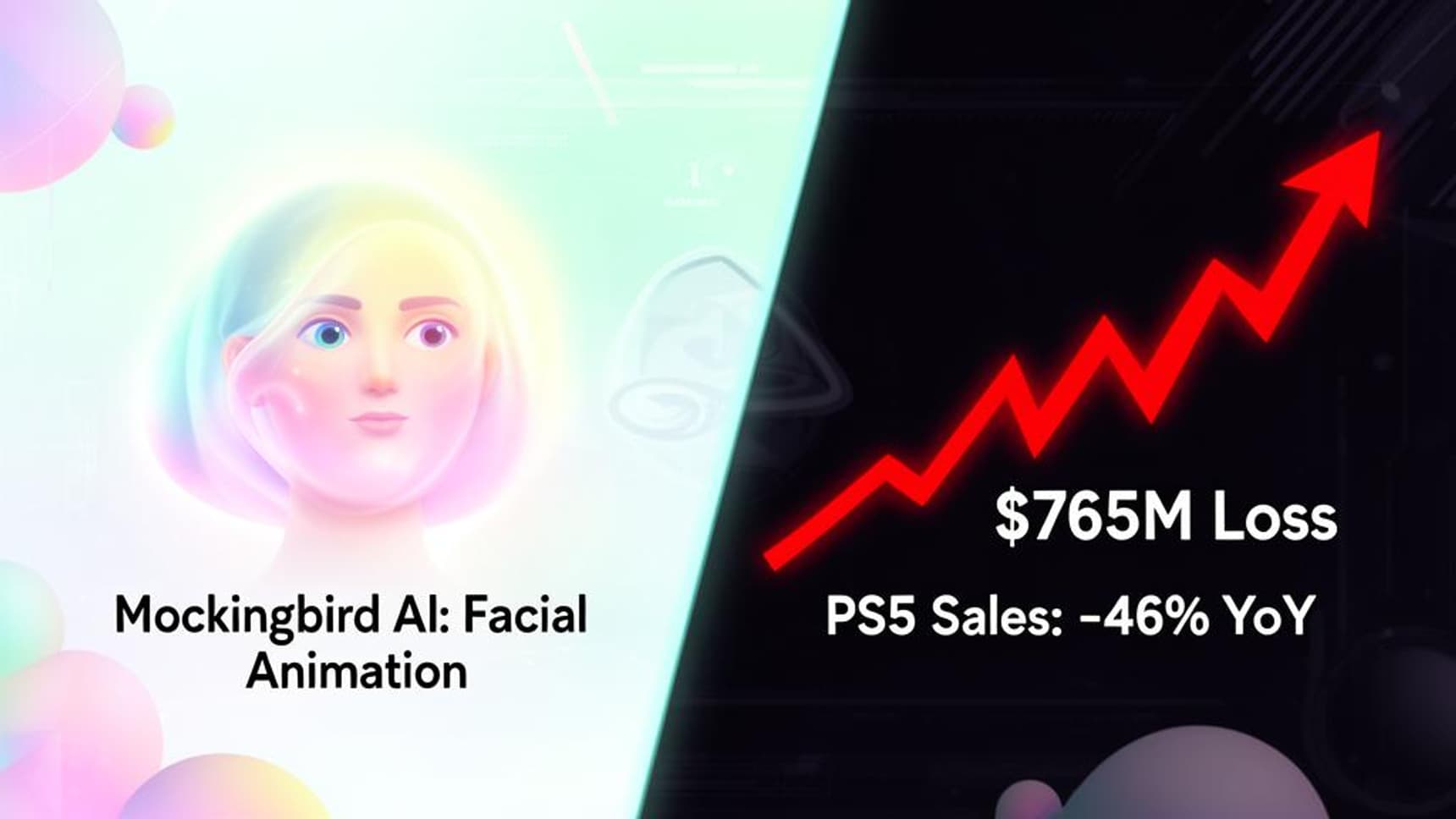
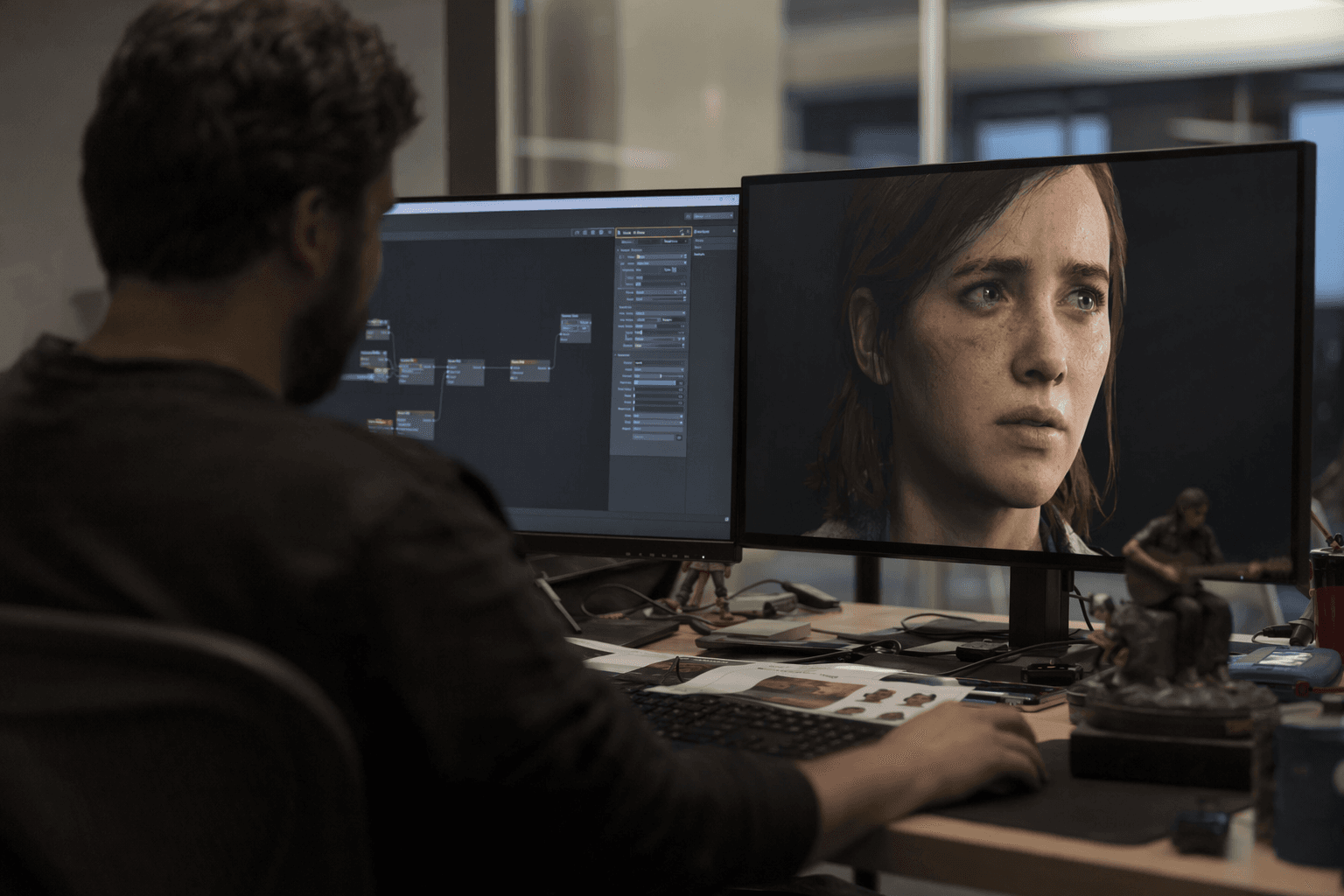
Sony just put a name on what many game teams are already testing in private: AI is in the production stack, and in some cases it is already shipping. At its May 8 corporate strategy presentation, Sony Interactive Entertainment said teams including Naughty Dog and San Diego Studio are using AI tools to automate repetitive workflows, lift software engineering productivity, and speed up QA, 3D modeling and animation. The company also pointed to Mockingbird, a tool designed to turn performance-capture data into animated 3D facial models faster.
The important detail for developers is not the slogan, but the workload. Sony Group CEO Hiroki Totoki said human creativity must remain at the center and that AI is not a replacement for artists or creators. That lines up with the way Sony framed the tools: not as a creative substitute, but as a way to clear the backlog around tasks that eat time without adding much authorship. For studios under schedule pressure, that means bug triage, regression checks, asset iteration and facial animation are the first places to watch, not story design or final approval.
For Nintendo employees, the comparison is useful because it shows how a platform holder can normalize AI without pretending it is magic. Nintendo of America president Doug Bowser said in April 2025 that there will always be a human touch in how Nintendo makes its games, and Nintendo’s November 6, 2024 investor materials said the company had already established an environment using newer development software and tools for its producers. That is not a rejection of automation. It is a reminder that, in a quality-first culture, tooling only matters if it protects polish, feel and consistency.
The bottleneck remains human review. Faster animation generation does not remove the need for animators to judge timing, expression and style. QA automation can widen coverage, but testers still have to decide which bugs are real, which are blockers and which are just noise. Software engineering productivity gains can help teams move faster, but they also create new work in integration, training and tool governance. In practice, Sony’s message suggests the next competitive question is not whether AI belongs in game development. It is which parts of the pipeline it can accelerate without undermining the people who are still accountable for the final game.
That matters inside Nintendo as the company keeps tightening its own content pipeline, from Switch 2’s June 5, 2025 launch at 49,980 yen to The Super Mario Galaxy Movie, due worldwide beginning April 3, 2026. Sony is signaling scale through AI. Nintendo is still signaling control through craftsmanship. For now, that difference is part philosophy and part production strategy.
Know something we missed? Have a correction or additional information?
Submit a Tip
