Ubisoft bookings fall 54 percent, raising concerns for Nintendo partners
Ubisoft's bookings fell 54 percent as it cut 1,200 jobs, a warning for Nintendo teams that depend on third-party schedules, ports and launch support.

Ubisoft’s steep bookings decline is more than another warning from the French publisher’s balance sheet. It is a reminder that when a major partner is under strain, Nintendo’s own release planning, partner support and platform mix can feel the pressure long before the market does.
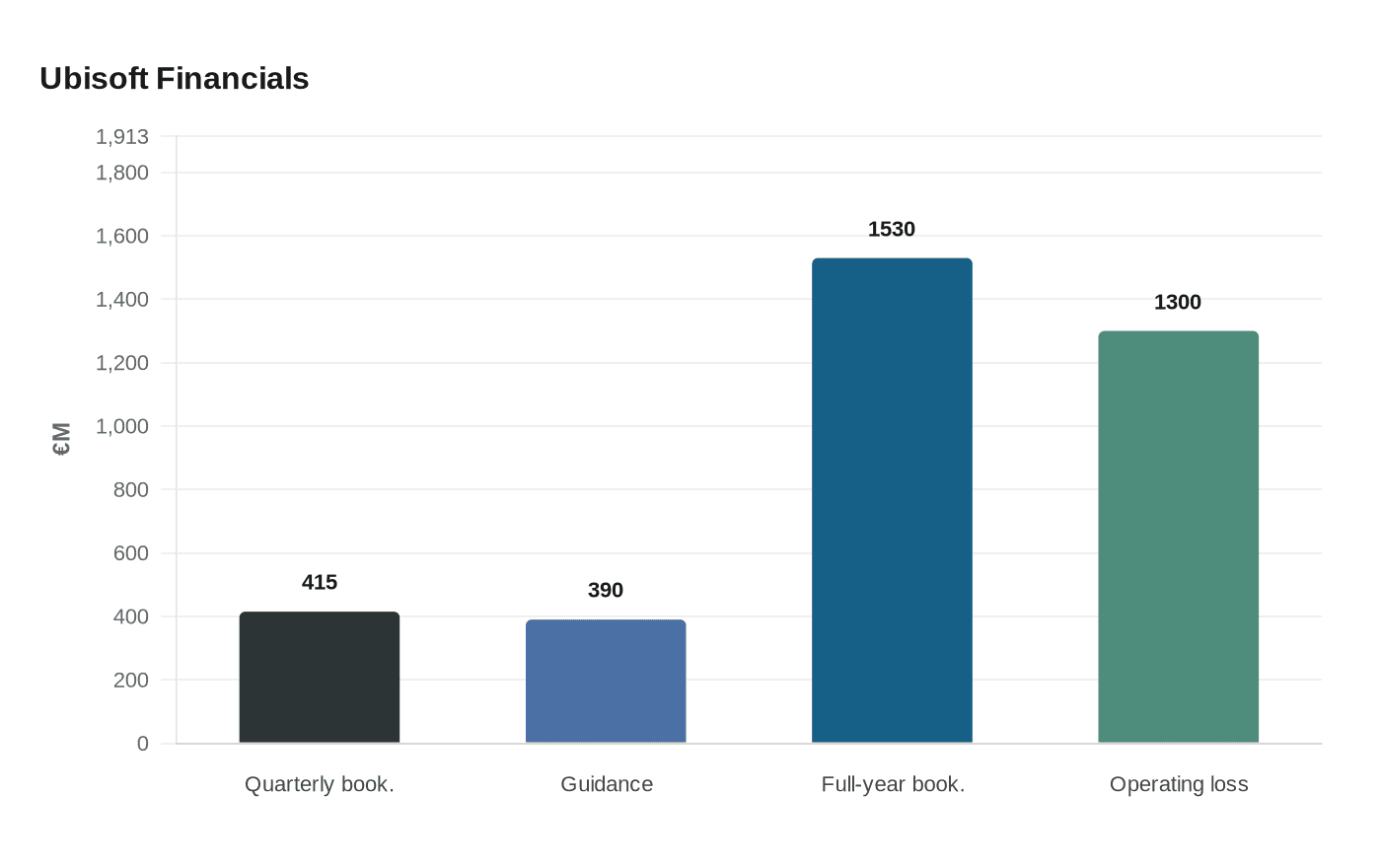
Ubisoft said May 20 that quarterly net bookings reached about €415 million, topping guidance of about €390 million, but that strength did not change the bigger picture. Full-year net bookings fell 17.4 percent to €1.53 billion, and the company posted an IFRS operating loss of €1.3 billion for the year ended March 2026. Total headcount stood at 16,590 at the end of March, down by about 1,200 employees from a year earlier, after the company’s January 21 reset covering its organization, operations and portfolio.
For Nintendo, that kind of instability matters because Ubisoft is not a distant rival. It is one of the industry’s most visible outside publishers, and its health affects how confidently partners commit to Nintendo hardware. When a publisher is cutting staff, closing studios and trying to restore sustainable growth, co-development deals can slow, porting schedules can slip and marketing commitments can become more cautious. That creates extra work for Nintendo’s publishing, business development and production groups, which have to keep a tight quality standard while coordinating with companies that may be shrinking their own ambitions.
Nintendo’s own procurement materials underscore how dependent the company is on outside relationships. The company says it uses a fabless production model and works with numerous production partners around the world. That structure helps Nintendo stay lean on hardware manufacturing, but it also makes external stability part of the job, not a side issue. If third-party publishers are under financial pressure, the strain can show up in fewer simultaneous launch windows, narrower platform support and a more uneven software lineup.
The timing is awkward for a company that has been leaning hard on third-party momentum around Switch 2. Ampere Analysis said Switch 2 launch-driven third-party full-game sales across the Switch ecosystem rose 76 percent year over year to $2.3 billion in the second through fourth quarters of 2025. That kind of growth is exactly why Ubisoft’s numbers matter inside Nintendo: a healthy partner base helps carry the platform narrative, but a strained one can leave Nintendo doing more of the heavy lifting itself.
This article was produced by Prism’s automated news system from verified source data, official records, and press releases, then run through automated quality and moderation checks before publishing. The system is built and supervised by the people who set the standards it runs under. Read our full AI policy.
Did this article answer your question?
