Valve’s Steam hardware push echoes Nintendo’s Switch 2 strategy
Valve's new Steam hardware is testing the same questions Nintendo answered with Switch 2: how to make play work in hand, on the couch, and with unfamiliar controls.
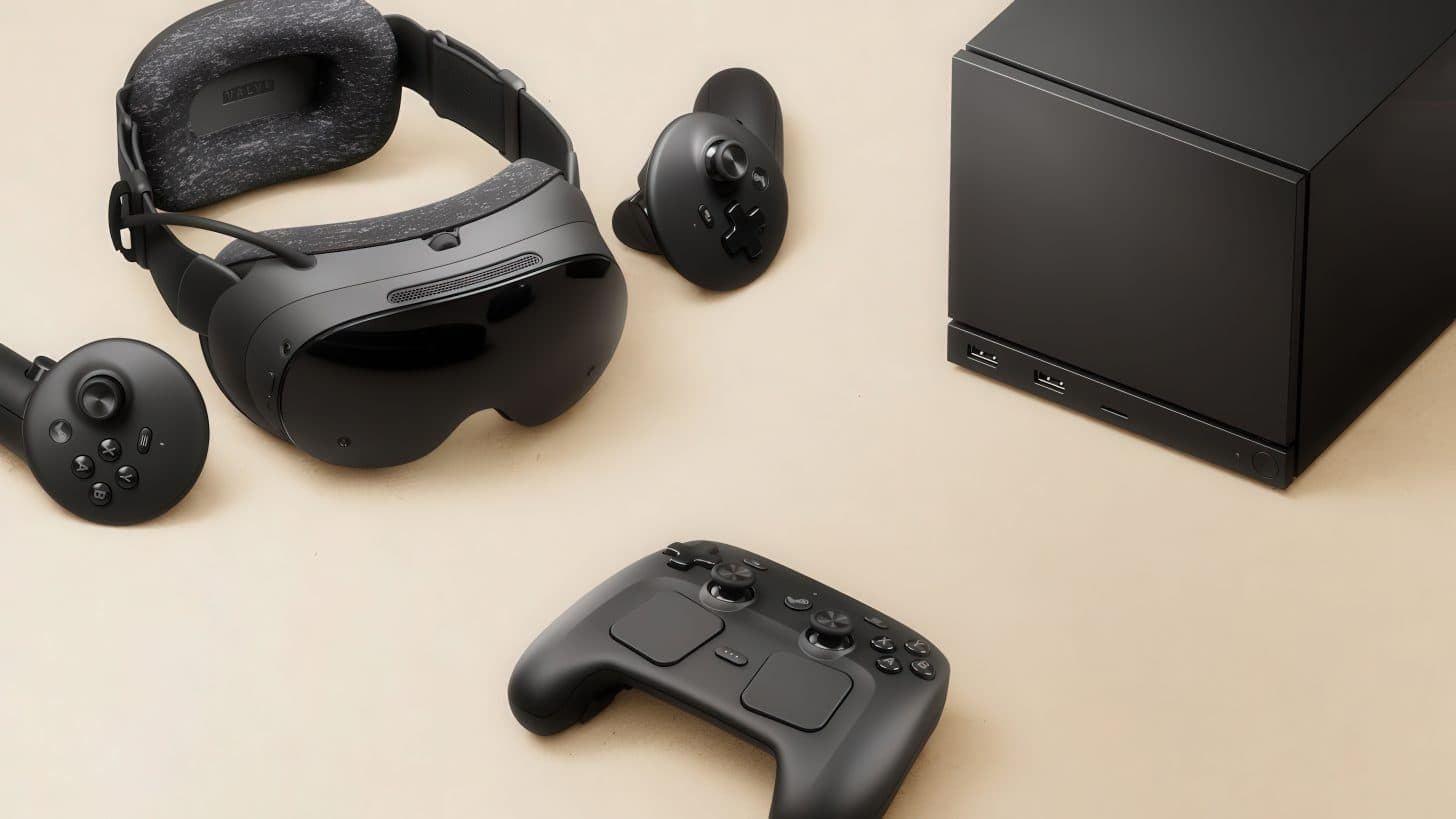
Valve is turning Steam hardware into a developer-facing test of how far a PC ecosystem can stretch before it starts feeling like a console. The new Steam Machine, Steam Controller, and Steam Frame are not just products for shoppers, they are a signal to studios that compatibility, setup, and play style now matter as much as raw specs.
Valve is asking the same platform questions Nintendo already knows
Steamworks Development says the hardware family is expanding in 2026, with the Steam Controller available now and the broader lineup set to expand in early 2026. More important for developers, Valve says it is updating Steamworks documentation and the Partner Dashboard with Verified test information for Steam Machine and Steam Frame so customers can understand the out-of-box experience and how smoothly a title runs with no user work or configuration.
That framing matters because it treats hardware as a software-distribution problem first. Valve is not just selling boxes for the living room or a new control scheme for a sofa session. It is testing how players move from storefront to install to first launch, and whether a game still behaves when the input device, display position, or room setup changes.
Steam Machine, Steam Controller, and Steam Frame are three different answers to the same use-case problem
Valve announced the new Steam Machine on November 12, 2025, and its hardware search page lists it at $1,049. Steam Frame is already listed as coming soon, while the Steam Controller is available now. Together, the lineup shows Valve trying to cover more of the same territory Nintendo has long claimed for itself: portable-feeling play, controller-first design, and a straightforward living-room setup.
Yazan Aldehayyat has said the Steam Machine was meant to be competitively priced against similar-featured PCs, even as memory-market conditions affected pricing. That detail is revealing for anyone inside Nintendo, because it shows how tightly hardware identity, supply costs, and consumer expectations are linked. If a device is presented as a convenient living-room PC, buyers still compare it with other PCs, while developers still have to think about how a title behaves across different control and display conditions.
Nintendo’s Switch 2 already answers many of these questions in a different way
Nintendo launched Switch 2 in the United States on June 5, 2025 at a suggested retail price of $449.99. The company also said the new Joy-Con 2 controllers can be used as a mouse in compatible games and attach with magnetic connectors, which is a very Nintendo way of making a familiar device do something slightly unexpected without forcing players to relearn the whole platform.
Nintendo framed Switch 2 as the next step in at-home gaming that can be taken on the go, and said it builds on “eight years of play and discovery” from the original Switch. That language is a reminder that Nintendo is not chasing the same promise Valve is making. Valve is trying to make a PC ecosystem feel frictionless across room setups and controller types, while Nintendo is asking how far it can push a dedicated game platform without losing the simplicity that makes a family system feel safe, legible, and easy to hand around.
Compatibility is now part of the product, not an afterthought
Nintendo’s support documentation shows how much of the Switch 2 story is really about compatibility management. The company says Switch 2 supports wireless use of original Switch Joy-Con and Pro Controller hardware, plus some classic controllers in compatible games, while other accessories, including the original Switch dock, are not compatible. Nintendo also launched an official compatibility search page so players can check whether original Switch software will run on Switch 2 before they buy or load it up.
For developers, that is the same category of problem Valve is now formalizing through Verified. QA teams have to test more than launch success. They have to check whether a game makes sense with different input methods, whether the first-run flow survives a couch setup, and whether the game’s menu navigation or camera controls still feel natural when the device is being used in a different posture than the team assumed.
That pressure spills into localization and support as well. The more devices support mixed modes of play, the more text, prompts, controller labels, and help content have to be accurate across control schemes and system states. A platform can no longer rely on players figuring it out after purchase, which is why both Valve and Nintendo are investing in clearer compatibility signals before a game reaches a customer.
Nintendo’s pricing strategy shows how carefully it protects the value story
Nintendo’s April 18, 2025 U.S. pricing update held the base Switch 2 console at $449.99 and the Mario Kart World bundle at $499.99. It also listed the Switch 2 Pro Controller at $84.99, a detail that matters because accessories are part of the system’s real entry cost, not an optional afterthought.
That kind of pricing discipline is a good counterpoint to Valve’s more PC-like value debate. If Valve is asking whether a $1,049 living-room machine can feel like the best route into Steam, Nintendo is asking how to preserve a cleaner promise: one system, one ecosystem, and a set of accessories that all reinforce the same play pattern. The difference is philosophical as much as commercial. Valve is building a hardware family around Steam; Nintendo is building hardware around the idea that the platform itself should define the experience.
What Nintendo teams should take from Valve, and what they should not
The useful lesson from Valve is not that Nintendo needs to copy the Steam strategy. It is that developer-facing clarity now sits at the center of hardware success. Verified programs, controller compatibility, and store continuity are becoming part of the product promise, not separate support topics.
The non-lesson is just as important. Nintendo does not win by acting like a PC company with a cute shell. It wins when hardware, software, and legacy franchises line up around a play experience that feels intuitive from the first boot. Valve is proving that the industry is still wrestling with the same basic questions about input, portability, and the TV. Nintendo’s job is to keep answering them in a way only Nintendo can.
This article was produced by Prism’s automated news system from verified source data, official records, and press releases, then run through automated quality and moderation checks before publishing. The system is built and supervised by the people who set the standards it runs under. Read our full AI policy.
Know something we missed? Have a correction or additional information?
Submit a Tip