Boston delivery permit rules could reshape Pizza Hut order flow
Boston now requires DoorDash, Grubhub and Uber Eats to hold permits, a change that could alter Pizza Hut’s delivery coverage, fees and order handoffs across the city.
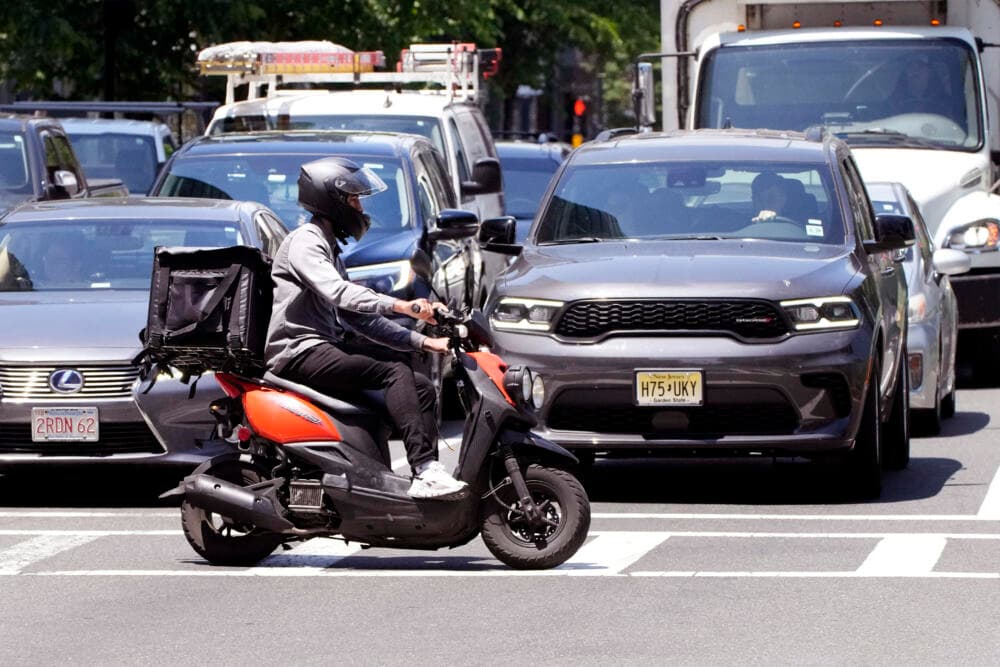
Boston’s new delivery permit rules put a fresh layer of oversight between Pizza Hut stores and the apps that move a growing share of pizza orders. As of Saturday, DoorDash, Grubhub, Uber Eats and other large delivery platforms had to secure city permits, carry required insurance and share trip data, a shift that could change how Boston-area Pizza Hut locations route orders, manage delays and decide whether to lean more heavily on in-house drivers or carryout.
The ordinance, passed by the Boston City Council on April 2, 2025, and filed by Mayor Michelle Wu on February 3, 2025, took effect after a nine-month implementation period. City officials had first sent a letter to DoorDash, Uber Eats and Grubhub in June 2024 seeking more accountability as resident complaints about delivery traffic and street behavior mounted. Boston officials said 311 complaints about delivery vehicles had climbed nearly 200% since 2022, with double-parking and unsafe moped and scooter behavior among the main concerns.
For restaurant operators, the biggest change is operational. The city now requires proof of insurance covering liability, personal injury, collision and medical payment for uninsured or underinsured-driver crashes. It also requires companies to provide aggregate delivery data, including vehicle type, where orders are concentrated, how quickly trips are completed and which routes include illegal turns. That means Boston officials will have more visibility into how the delivery market functions, and Pizza Hut managers will have to keep closer track of which platforms are compliant before routing orders through them.
The new rules apply to the largest third-party delivery providers, not small businesses with only a few delivery drivers. The city also said the ordinance does not apply to FedEx, UPS or Amazon deliveries. Grubhub had already applied for and received approval, according to WBUR’s reporting, while DoorDash said it was working on its application. That suggests the market was still sorting out how quickly platforms could adapt without interrupting service.
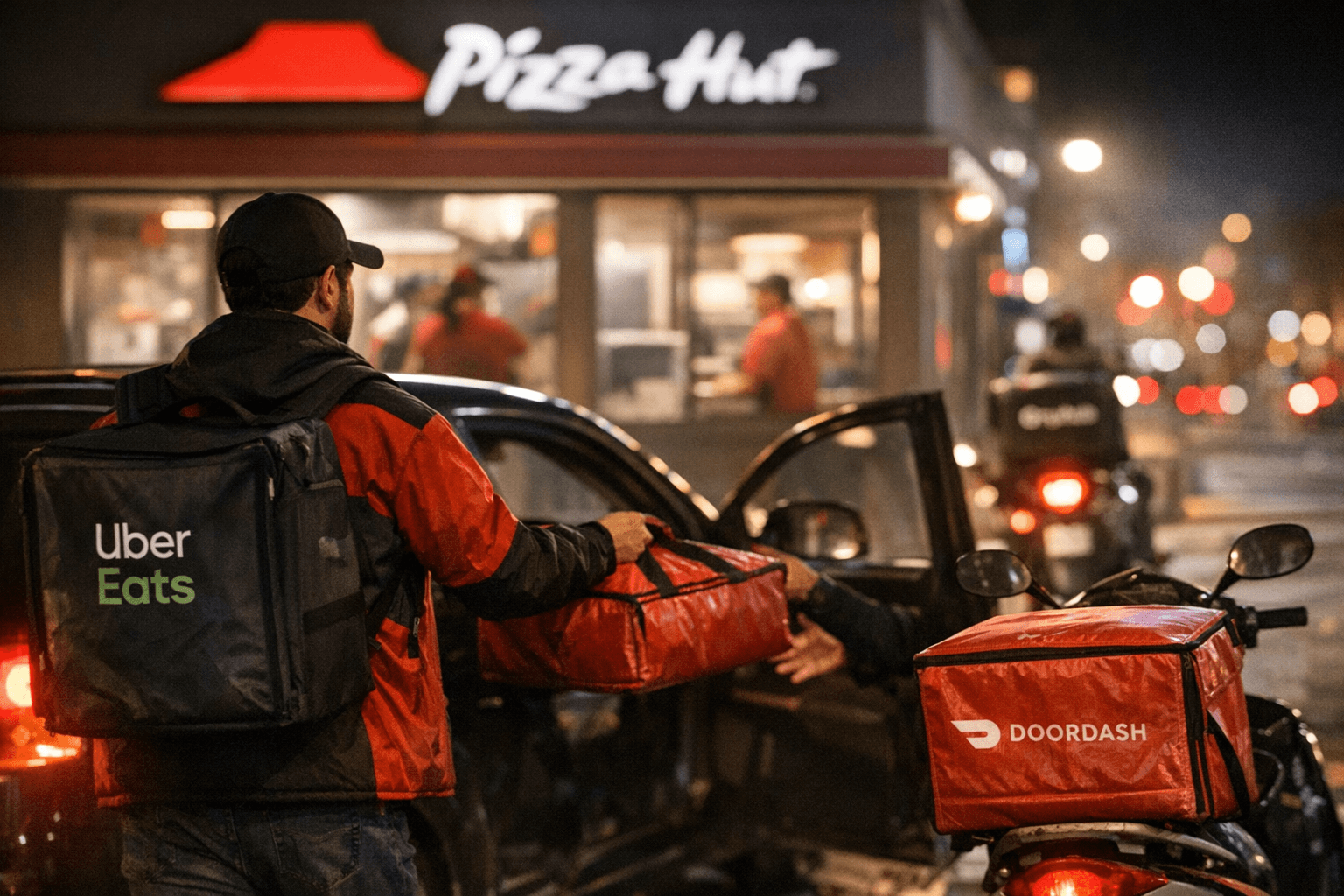
For Pizza Hut, that matters at store level. If a Boston-area location depends on DoorDash or Uber Eats to cover late shifts, bad weather or short-staffed nights, any compliance delay could affect delivery coverage, customer wait times and cancellation rates. Franchisees may end up spending more time checking permit status and insurance paperwork, while also deciding whether to push more orders toward drivers on payroll or toward carryout to keep service predictable.
The city says the point is to bring order to a fast-growing delivery sector that had been operating with too little oversight. For Pizza Hut workers, Boston is now a test case for whether tighter city rules will create friction at the curb or force delivery platforms, and the restaurants that rely on them, to run a tighter operation.
This article was produced by Prism’s automated news system from verified source data, official records, and press releases, then run through automated quality and moderation checks before publishing. The system is built and supervised by the people who set the standards it runs under. Read our full AI policy.
Did this article answer your question?