Denver restaurants urge council to keep tipped minimum wage at $16.29
Fifty-six Denver restaurants asked council to keep tipped pay at $16.29, warning a lower floor could tighten staffing in a high-cost market.
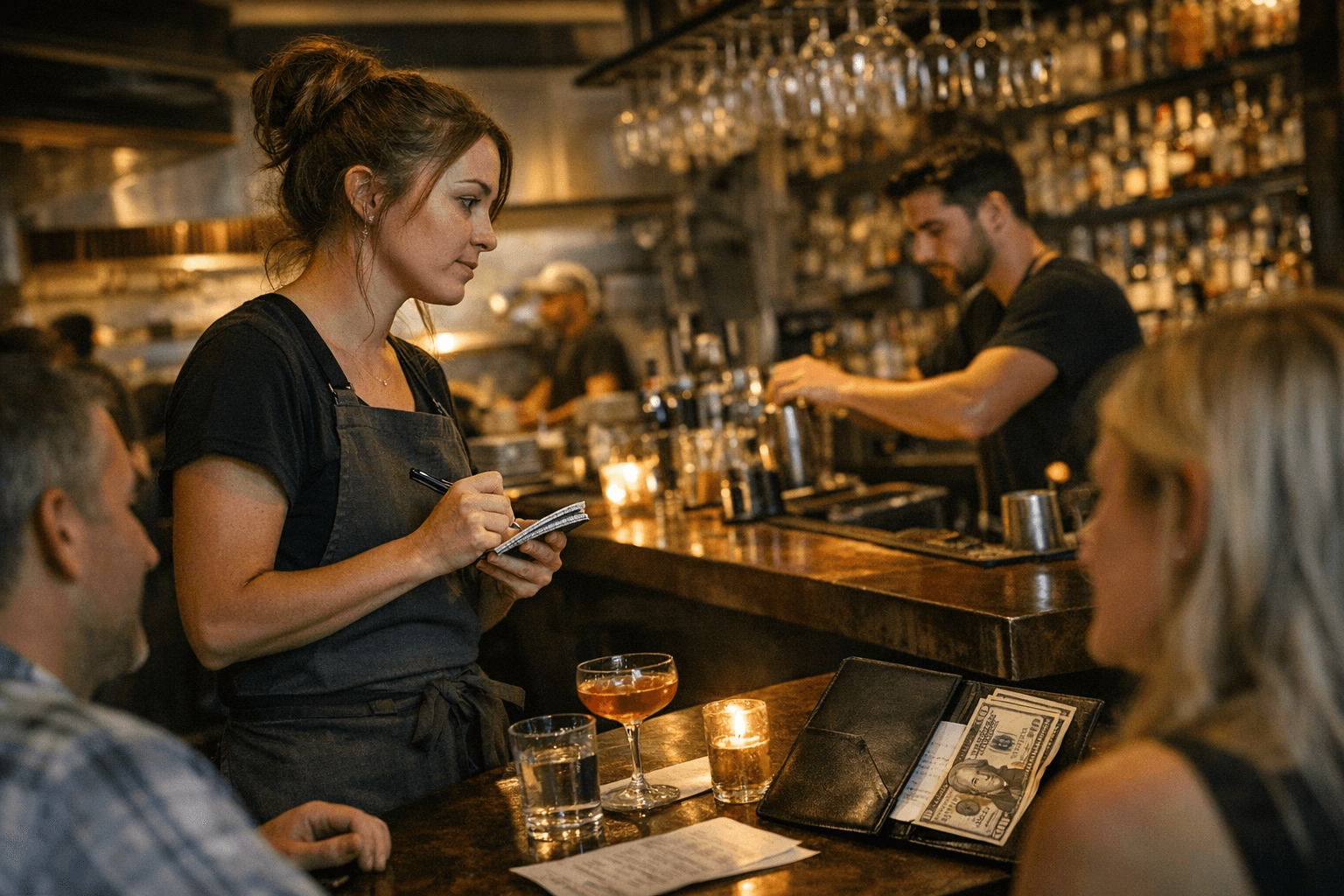
Fifty-six Denver restaurants pressed the City Council on April 16 to keep the city’s tipped minimum wage at $16.29, arguing that a cut to Colorado’s state rate would hit staffing and service at a time when margins are already thin. Another local report said more than 65 restaurant owners had already lined up behind the same position, signaling that the pushback is broader than one letter.
The fight matters because it is not really about one pay line on a wage sheet. It is about whether lower labor costs would help restaurants survive or whether shaving tipped pay would make it harder to hire and keep front-of-house workers in a city where the citywide minimum wage is already $19.29 an hour. Denver’s tipped food-and-beverage minimum is $16.27 per hour in 2026, and it only applies if a worker receives at least $3.02 in actual tips.
The latest pushback came after a February 27 report, 2025 State of Denver Restaurants: Challenges Facing the Sector, which was produced through a collaboration among Denver Economic Development & Opportunity, Visit Denver and inKind. Led by Adam Schlegel and Dana Faulk Query, the report said the industry was at a “critical inflection point” and recommended lowering the tipped minimum from $16.27 to $12.14, the lowest amount allowed under state law. The report drew on six months of interviews, surveys and on-the-ground research, including roundtables that represented more than 150 establishments.
Colorado’s new law, HB25-1208, gave local governments with minimum wages above the state floor authority to adjust the tip offset for tipped food-and-beverage employees. Signed on June 3, 2025, and effective Jan. 1, 2026, the law applies to the four local jurisdictions with above-state minimum wages. Denver’s wage ordinance, created in November 2019, is adjusted annually using CPI-W data. At the time of the February report, only Edgewater had used the new state authority.
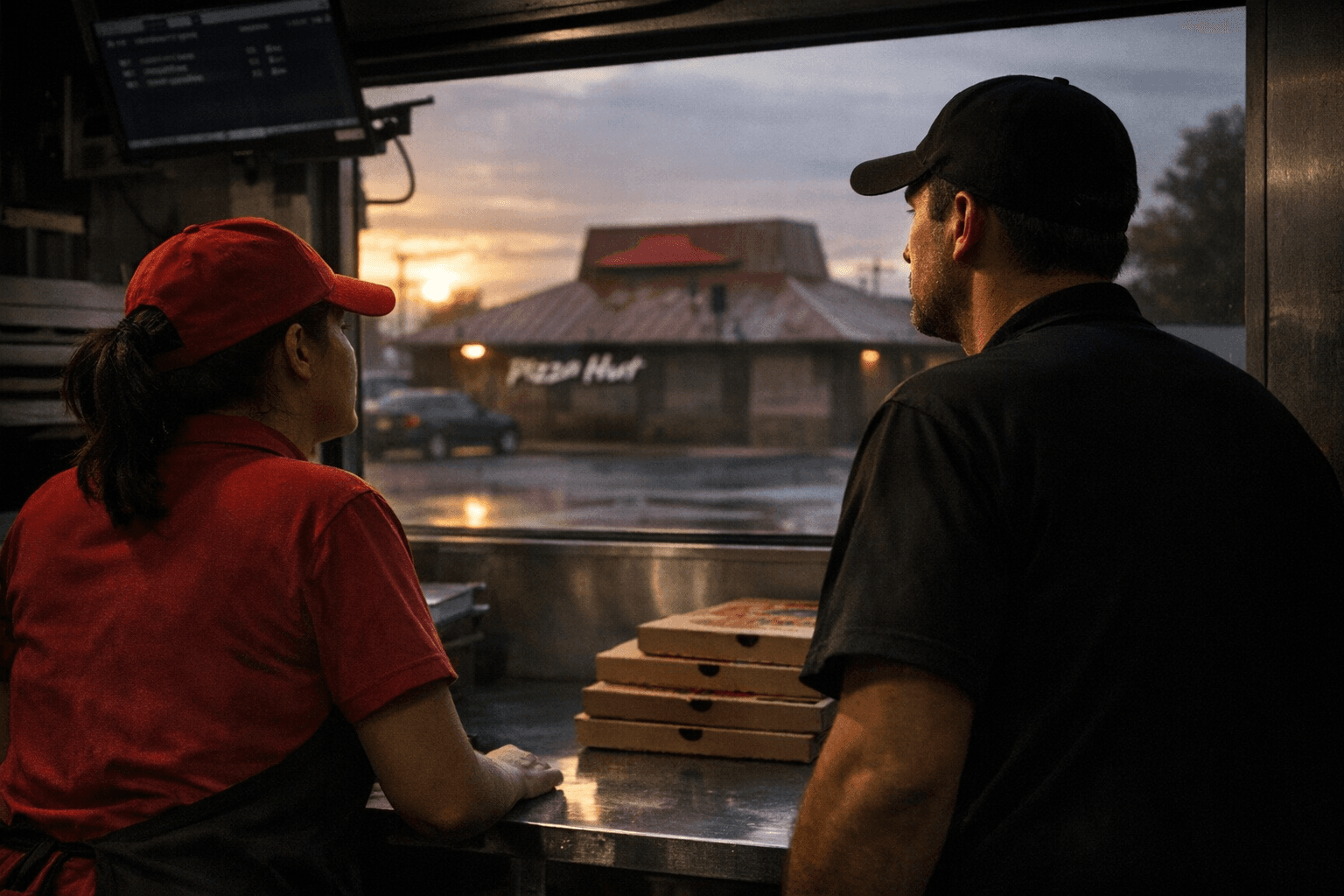
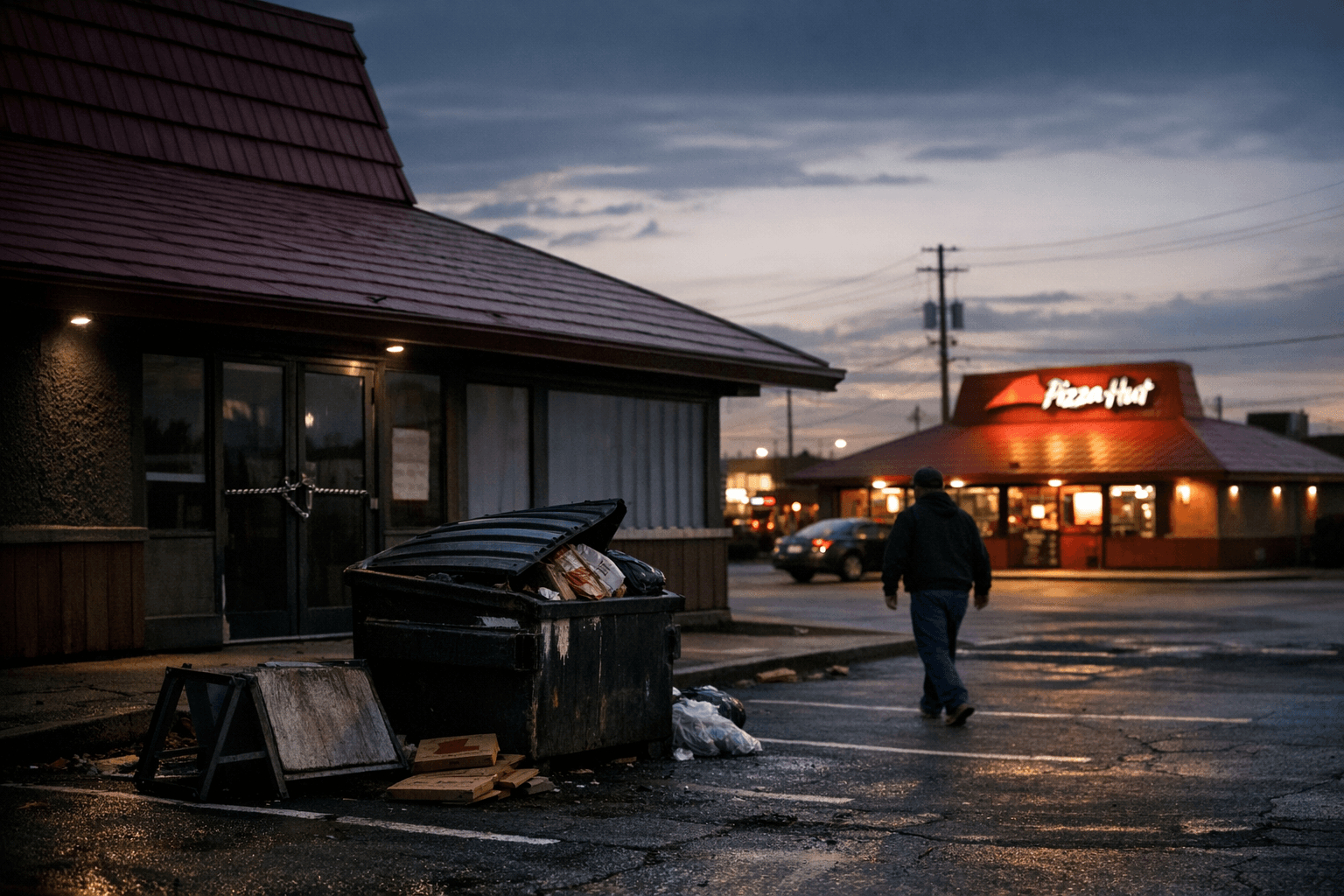
For Pizza Hut franchisees and managers, Denver is a warning sign. If a market with tipped roles decides labor costs are too high, the pressure shows up fast in schedules, wage structures and whether owners keep any dine-in or counter-service positions at all. Even stores built around delivery and carryout are not insulated. Higher labor costs can push menu prices up, squeeze hours, and make operators rethink how much staffing they can afford when sales soften and DoorDash and Uber Eats keep the delivery market competitive.
That is the business risk hiding inside the wage debate: not just who earns what on a shift, but whether operators respond by trimming staff, leaning harder on labor-light service models or pulling back on the kind of service that still depends on tipped work.
Know something we missed? Have a correction or additional information?
Submit a Tip