DoorDash launches workplace catering, intensifying competition for Pizza Hut orders
DoorDash rolled out workplace catering with Meal Manager and tray orders, going after the office lunches Pizza Hut has long counted on.

DoorDash for Business moved directly into office meals with a catering push that could pull high-value lunch orders away from Pizza Hut stores and the drivers and kitchen crews that depend on them. The rollout, announced April 30, 2026, paired Meal Manager for daily team lunches with tray-style catering for meetings and events, all inside a single workplace ordering platform.
That matters because office catering is one of the steadier ways a pizza chain fills a kitchen and a delivery schedule fast. DoorDash said its workplace-meals offering was meant to make lunch simpler and more reliable, and its own marketing acknowledged the problem office managers face: caterers often require minimums or force buyers into menu items that do not fit a regular office order. DoorDash said the new workplace offerings were being rolled out in select U.S. locations, and reporting on the launch said team-sized orders were up 30% year over year.
For Pizza Hut operators, the threat is not abstract. The chain already sells office and corporate lunch catering and leans on a simple pitch that pizza travels well and stays hot. It also shows up on ezCater, where Pizza Hut has 14,808 orders logged and sits inside a network of more than 100,000 restaurants. DoorDash’s move does not create workplace catering from scratch; it gives office managers another place to compare price, timing and group-meal logistics before they ever call a local Pizza Hut.
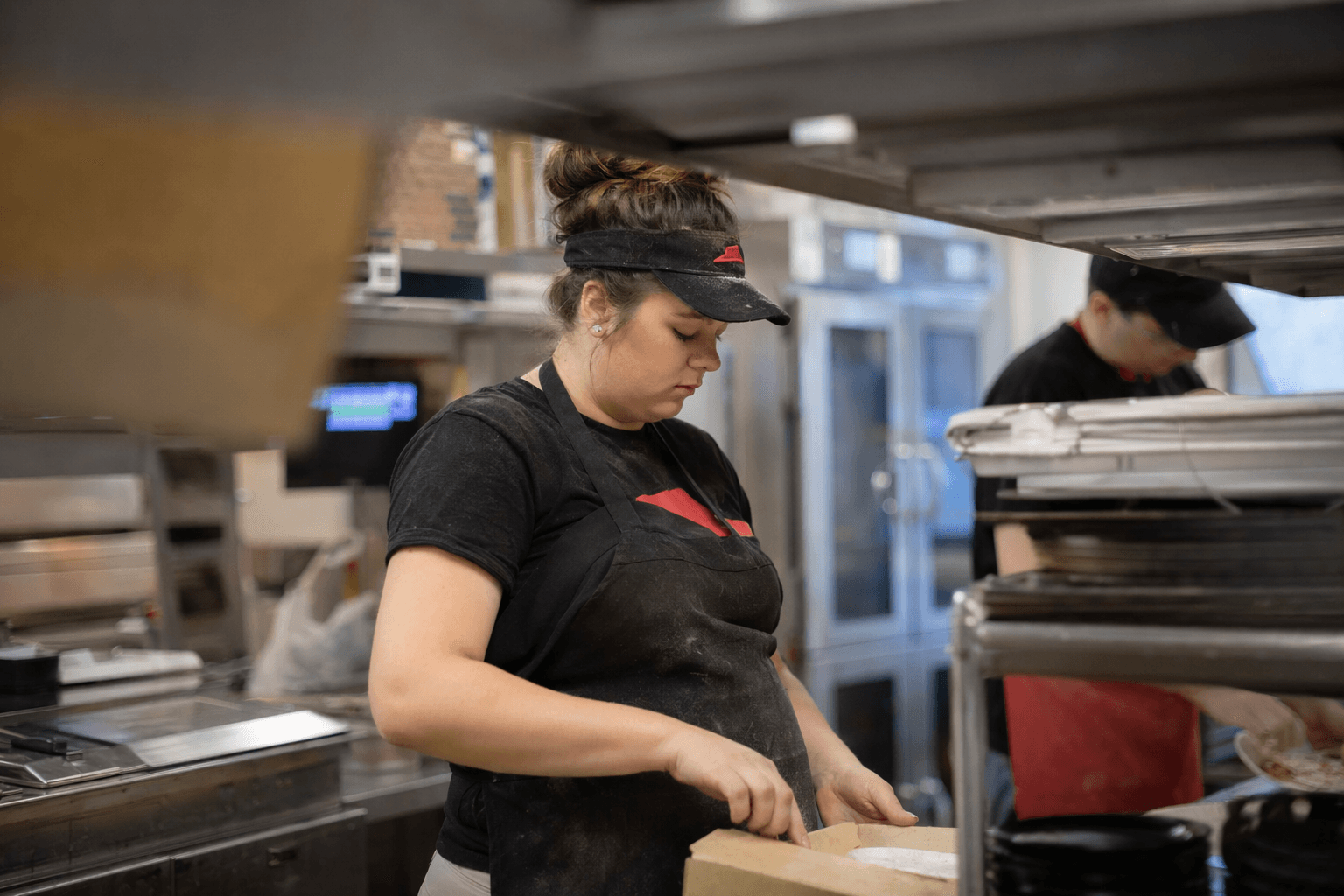
That is the pressure point for franchisees and managers. Large catering orders can be a bright spot for store sales, but only if the kitchen can assemble trays, boxes and sides without slowing down the lunch rush. For delivery drivers, the competition could shift the mix toward more planned, bigger drops, changing routing, loading and the way tips are spread across an order. For gig platforms, that is exactly the kind of volume that can reshape where the work goes.
Pizza Hut enters that fight with real scale and real baggage. Yum! Brands said in its 2024 annual report that it operated more than 61,000 restaurants in over 155 countries and territories through about 1,500 franchisees. Pizza Hut itself was founded in 1958 in Wichita, Kansas, and began franchising in 1959, building a business around delivery and carryout long before app-based ordering became the default.
The backdrop is not comforting for Pizza Hut workers or operators. Yum said in February 2025 that Pizza Hut’s worldwide system sales fell 1% in 2024, and later reporting on Yum’s 2025 results said the chain planned to close 250 stores as part of a strategic review after U.S. same-store sales declined 3% in the fourth quarter of 2025. Against that kind of strain, losing even a slice of workplace catering to DoorDash is not a side story. It is another front in the scramble for volume.
Know something we missed? Have a correction or additional information?
Submit a Tip