EEOC: Pizza Hut managers must accommodate religious observance requests
Pizza Hut managers can’t brush off prayer breaks, head coverings, or Sabbath shifts, and customer preference is not a lawful excuse to deny them.
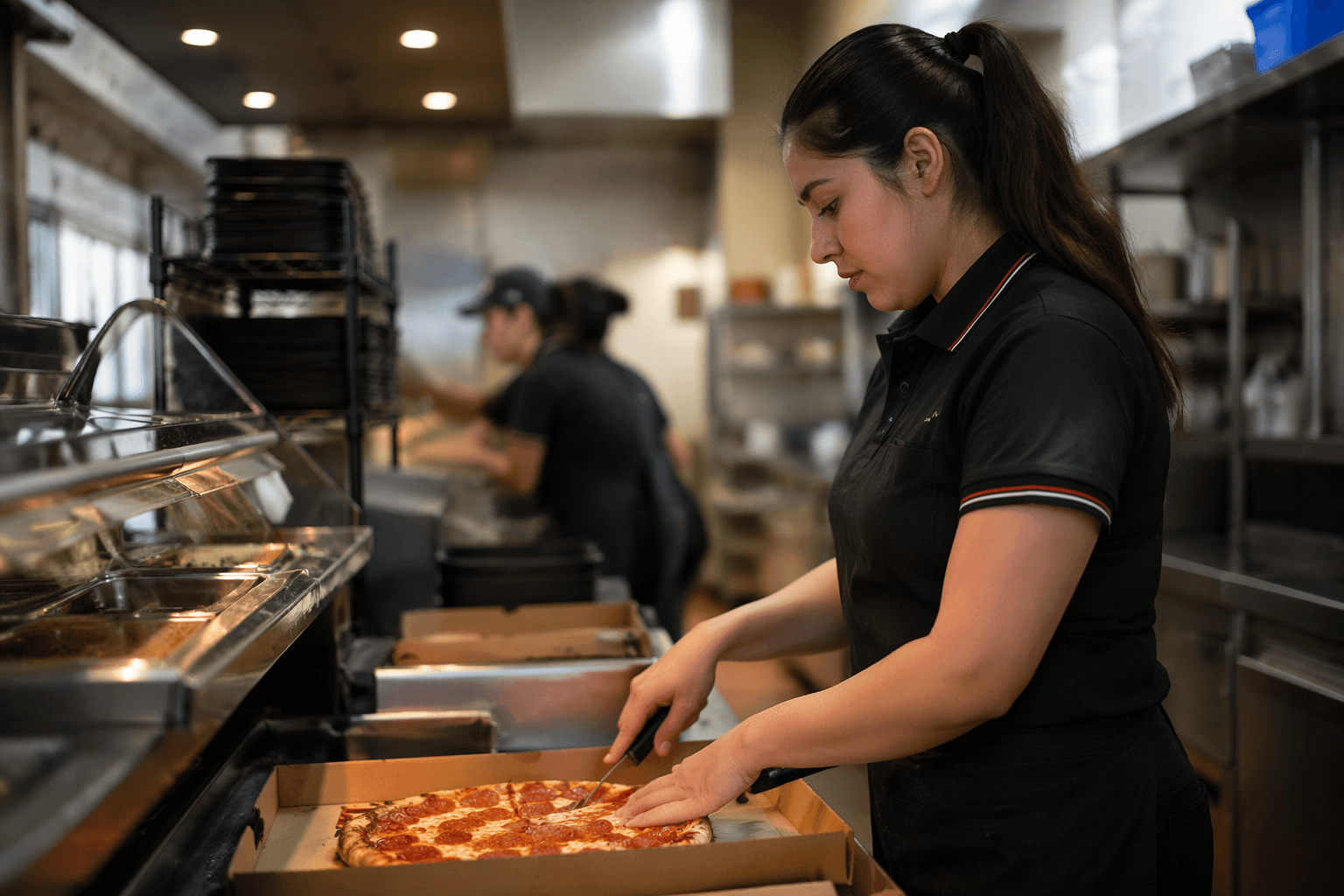
Religious scheduling conflicts often show up first on the restaurant floor, where Pizza Hut stores run hardest on weekends, evenings, and holidays. Under Title VII, the U.S. Equal Employment Opportunity Commission says managers must make reasonable accommodations for sincerely held religious beliefs, practices, or observances unless doing so would create an undue hardship.
In a Pizza Hut setting, that can mean a crew member asking for a shift change for Sabbath observance, a prayer break during a dinner rush, time off for a religious holiday, or an exception to a grooming rule so a worker can wear religious garb. The EEOC says reasonable accommodations can include flexible scheduling, voluntary shift swaps, dress or grooming exceptions, job reassignments, and lateral transfers. The agency also says employers should review each request individually and avoid assumptions about what a faith requires.
That matters in franchise stores, where local managers are the first line of staffing decisions and where every covered shift can feel tight. For delivery drivers, kitchen crew, and shift leads, the practical issue is not abstract religious law. It is whether a manager can find a swap, move a worker to another station, or adjust a schedule without blowing up a dinner rush or weekend labor plan. The EEOC says customer preference is not a valid reason to deny an accommodation, and that rule extends to religious dress and grooming requests as well.
The legal standard for employers got sharper in 2023, when the U.S. Supreme Court in Groff v. DeJoy said undue hardship means a burden substantial in the overall context of the employer’s business, not just a minor inconvenience. That distinction is important in restaurants, where managers may have to show more than frustration or scheduling annoyance before refusing a request. Speculation about safety or assumptions about a head covering are not enough under the EEOC’s religious garb and grooming guidance.
The agency has treated religion as a recurring enforcement issue for years, reporting 3,549 religion-discrimination charges in fiscal year 2014. Pizza Hut’s franchise network has also faced separate EEOC matters, including a $360,000 sexual-harassment settlement in 2002 and a 2024 sex-harassment and retaliation lawsuit against Ayvaz Pizza, LLC, doing business as Pizza Hut. For workers and managers alike, the lesson is plain: treat religious accommodation requests as a routine part of workforce management, not a special exception, and document the process before a scheduling conflict turns into a federal problem.
This article was produced by Prism’s automated news system from verified source data, official records, and press releases, then run through automated quality and moderation checks before publishing. The system is built and supervised by the people who set the standards it runs under. Read our full AI policy.
Did this article answer your question?