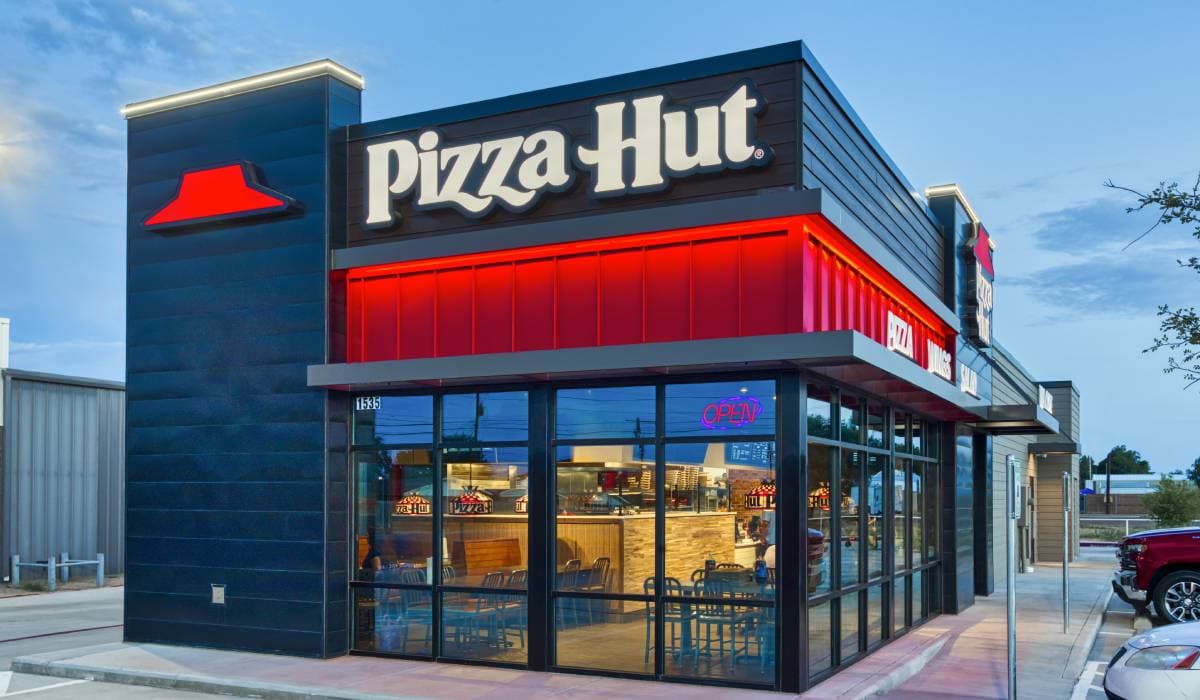
Foodborne illness outbreaks pressure Pizza Hut and other U.S. chains
Foodborne illness outbreaks are forcing Pizza Hut crews to audit sick-worker rules, sanitation and traceability as restaurant-chain disruptions keep piling up.
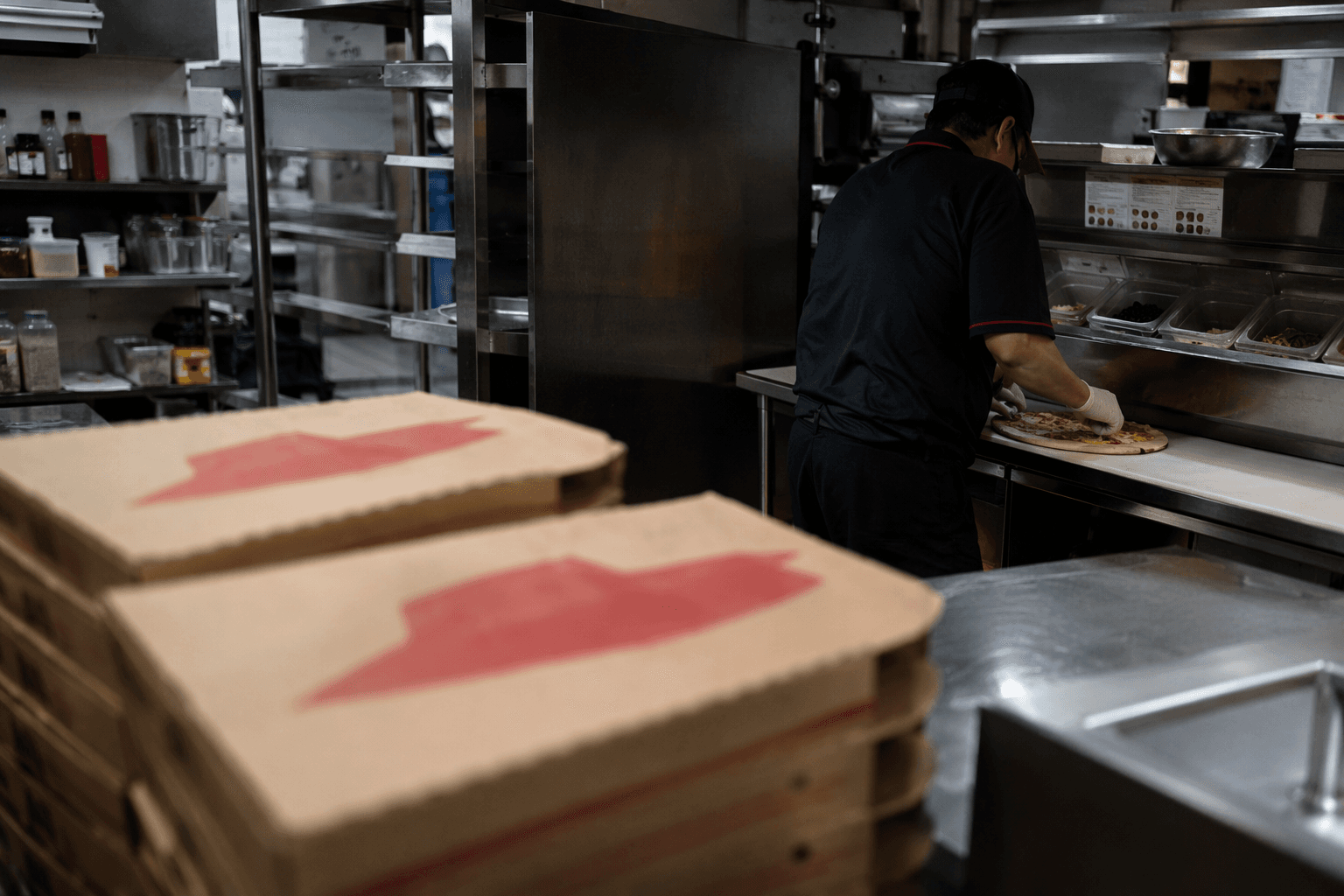
Norovirus and salmonella were the most common causes of 800 foodborne illness outbreaks that involved 875 restaurants. For Pizza Hut stores, outbreaks have repeatedly triggered recalls, lawsuits, tighter health-department scrutiny and immediate pressure on traffic and sales.
Ingredient handling, employee illness policies, sanitation and how fast a brand can trace and pull a risky product or supplier are the main operational weak points across the industry. A 2025 U.S. PIRG Education Fund report found confirmed U.S. illnesses tied to contaminated food rose 25% in 2024, while severe cases doubled. A Wiley study found that more than 60% of U.S. foodborne illness outbreaks occur at restaurants and that 97% are limited to a single state.
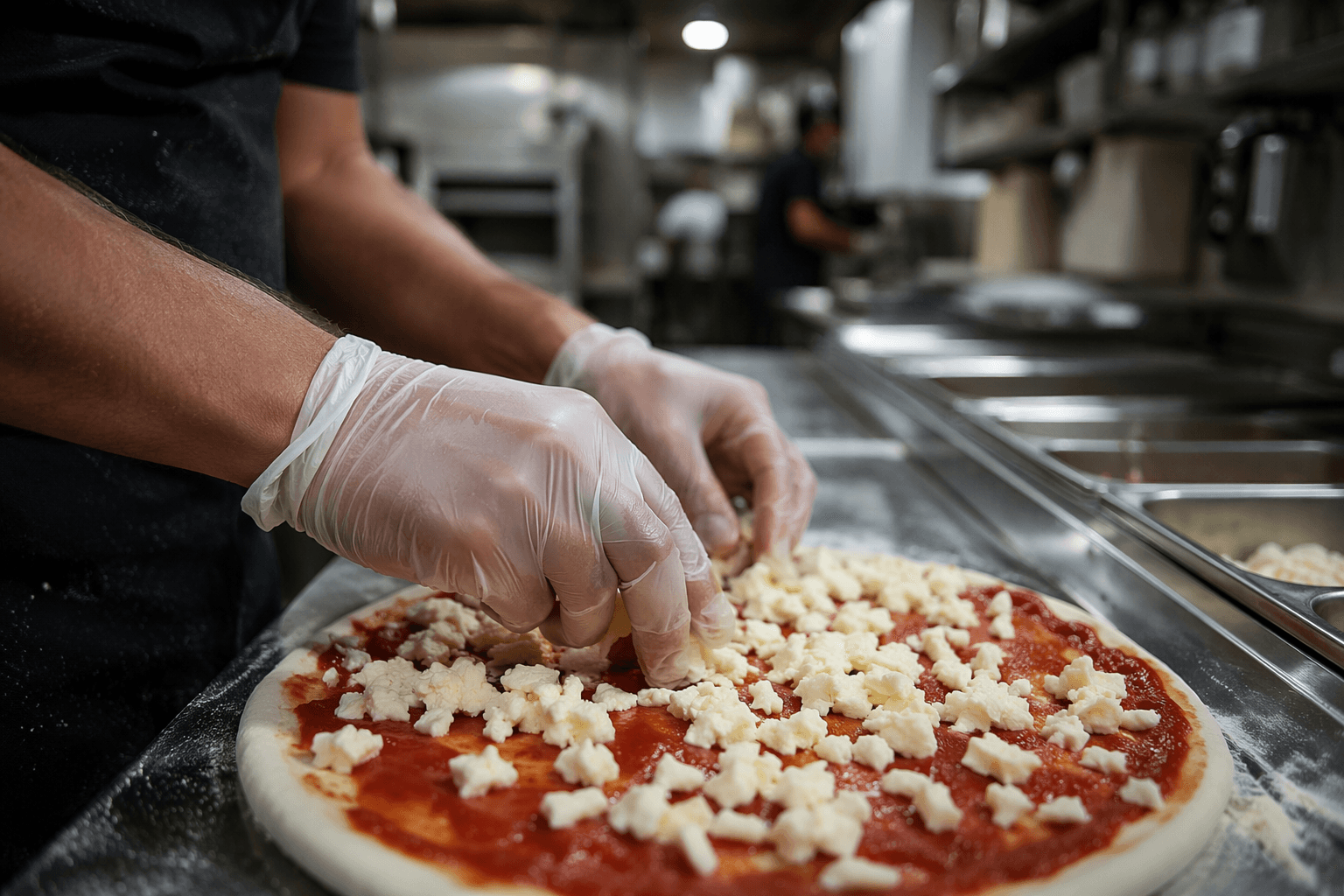
Managers should be checking holding temperatures, prep-line sanitation, glove changes and handwashing, especially during rushes when speed can crowd out routine cleaning. Food employees should report symptoms that can affect food safety, including vomiting, diarrhea, fever, sore throat with fever, coughing and sneezing. Pizza Hut’s coronavirus update page requires strict food safety, hand hygiene and cleaning and sanitation procedures.
Delivery drivers sit at the end of that chain, but they are not outside it. They are often the last employees to see whether a ticket is leaving the store sealed correctly, on time and without obvious packaging problems. When a store is hit by a food safety issue, drivers can also become the first point of contact for complaints about food quality, delays or reworked orders after cleanup.
Employees sent home for illness can leave a store short-staffed, while discarded product and extra sanitation slow the line and create more work for managers who have to retrain crews, answer franchise-owner questions and cooperate with inspectors. Investigators rely on traceback, inspection and post-outbreak response measures to identify sources and prevent a repeat.
This article was produced by Prism’s automated news system from verified source data, official records, and press releases, then run through automated quality and moderation checks before publishing. The system is built and supervised by the people who set the standards it runs under. Read our full AI policy.
Did this article answer your question?