KFC brings back Popcorn Chicken in comeback push, challenging Pizza Hut
KFC’s return of Popcorn Chicken shows Yum is leaning on nostalgia and value, a play Pizza Hut crews may feel in staffing, prep and ticket times.
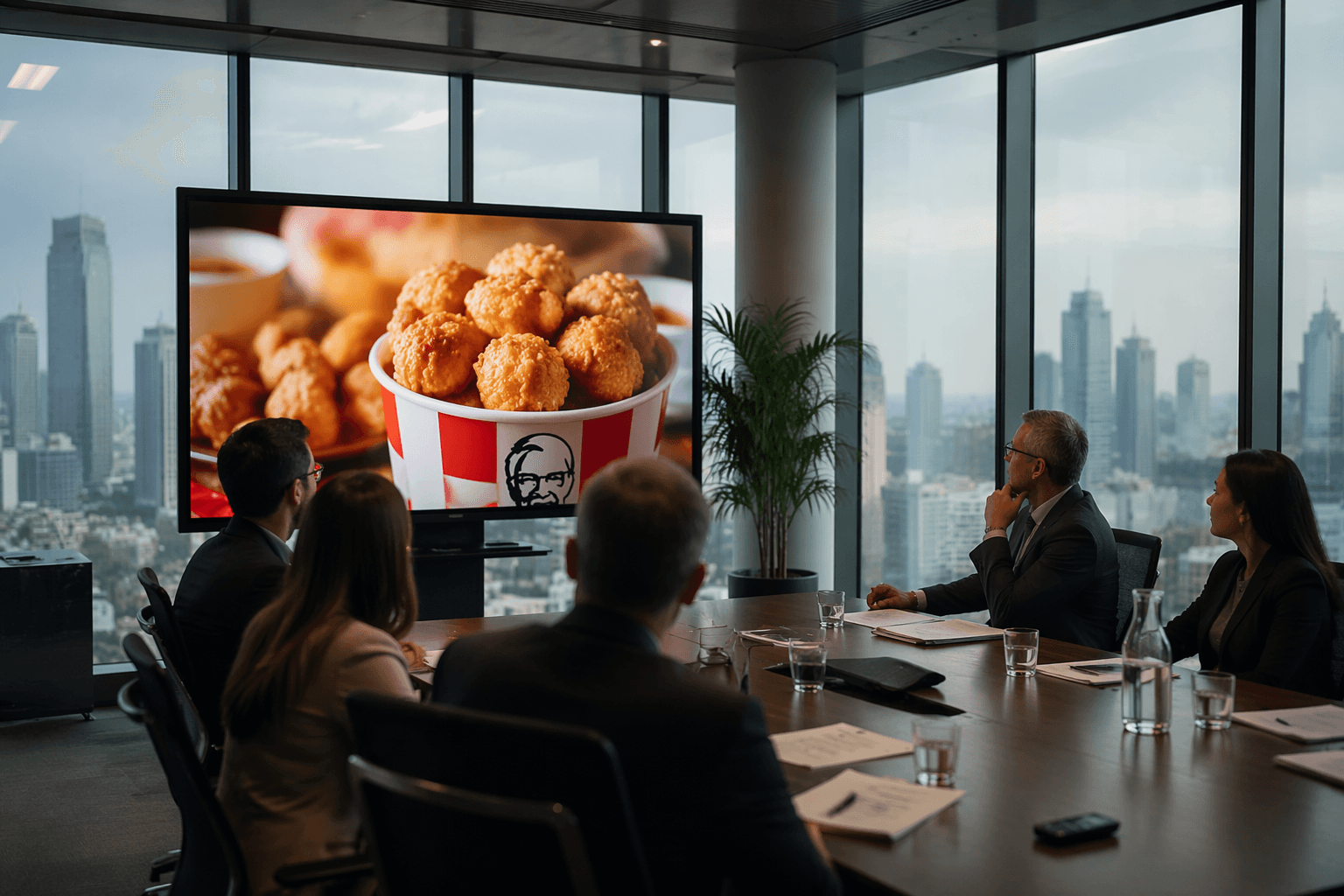
KFC put Popcorn Chicken back on menus nationwide on July 13 as part of its Kentucky Fried Comeback campaign, pairing the revival with a $10 Popcorn Chicken Bucket and a message aimed squarely at traffic. The item’s return was driven by consumer comments, direct messages and online petitions, and KFC said the goal was to reignite obsession nationwide.
The move reaches back to a product first introduced in the early 1990s, when Popcorn Chicken built a cult following before disappearing from menus in 2023. Melissa Cash, the chief marketing officer of KFC U.S., said the fan response was impossible to ignore, a sign that the brand sees nostalgia as more than sentiment. It is a sales tool, and one that can still be packaged as a value offer when customers are choosing carefully.
For Pizza Hut workers, the bigger point is inside the same corporate family. Yum! Brands has been under pressure to steady Pizza Hut while KFC and Taco Bell carry more of the portfolio’s momentum. Yum launched a strategic review of Pizza Hut in November 2025, then reported a first-quarter 2026 same-store sales decline of 7% and a system sales decline of 3%. Later reporting put Pizza Hut’s U.S. same-store sales down 4% in the quarter and systemwide sales down 6%, while Yum had also said it expected to shutter roughly 250 U.S. restaurants in the first half of 2026. In June, Yum announced agreements to sell Pizza Hut for $2.7 billion.
That is why a Popcorn Chicken comeback matters beyond KFC. When one Yum brand proves that a familiar item can pull attention, app orders and incremental visits, the pressure rises on sister brands to answer with launches that are simple enough for the line to execute and strong enough to move check averages. For Pizza Hut managers, that means every limited-time offer now carries a familiar test: can the kitchen absorb a traffic spike without blowing up make times, can drivers keep up if delivery demand jumps, and can the store cover the extra labor without burning out the crew.
The lesson is not that nostalgia always works. It is that Yum’s own portfolio is rewarding the brands that can turn old favorites into a fresh reason to buy, and that puts more execution pressure on Pizza Hut stores that are already trying to do more with fewer units, tighter labor and less room for error.
This article was produced by Prism’s automated news system from verified source data, official records, and press releases, then run through automated quality and moderation checks before publishing. The system is built and supervised by the people who set the standards it runs under. Read our full AI policy.
Did this article answer your question?