Luckin Coffee kiosks signal new labor shifts for Pizza Hut stores
Luckin Coffee added kiosks at Grand Central Terminal and 48th and 3rd as Pizza Hut keeps betting on self-service formats that move labor off the counter.

Luckin Coffee added two New York City shops on Tuesday, June 30, 2026, one in Grand Central Terminal and another at 48th and 3rd, and with them came self-order kiosks that give customers another way to bypass the line. The chain has about 20 New York City locations now, up from its first store there last year, and says the kiosks are meant to complement its mobile app.
For Pizza Hut, the move is less about coffee and more about how restaurant labor is getting pulled apart and reassigned. When ordering shifts to kiosks or phones, the counter can shrink into a lighter-touch role while more hours move to make line work, bagging, order accuracy, pickup shelves, and fixing mistakes before the handoff. That is the real operational pressure point: whether saved front-end labor gets redeployed to speed up service or simply cut away.
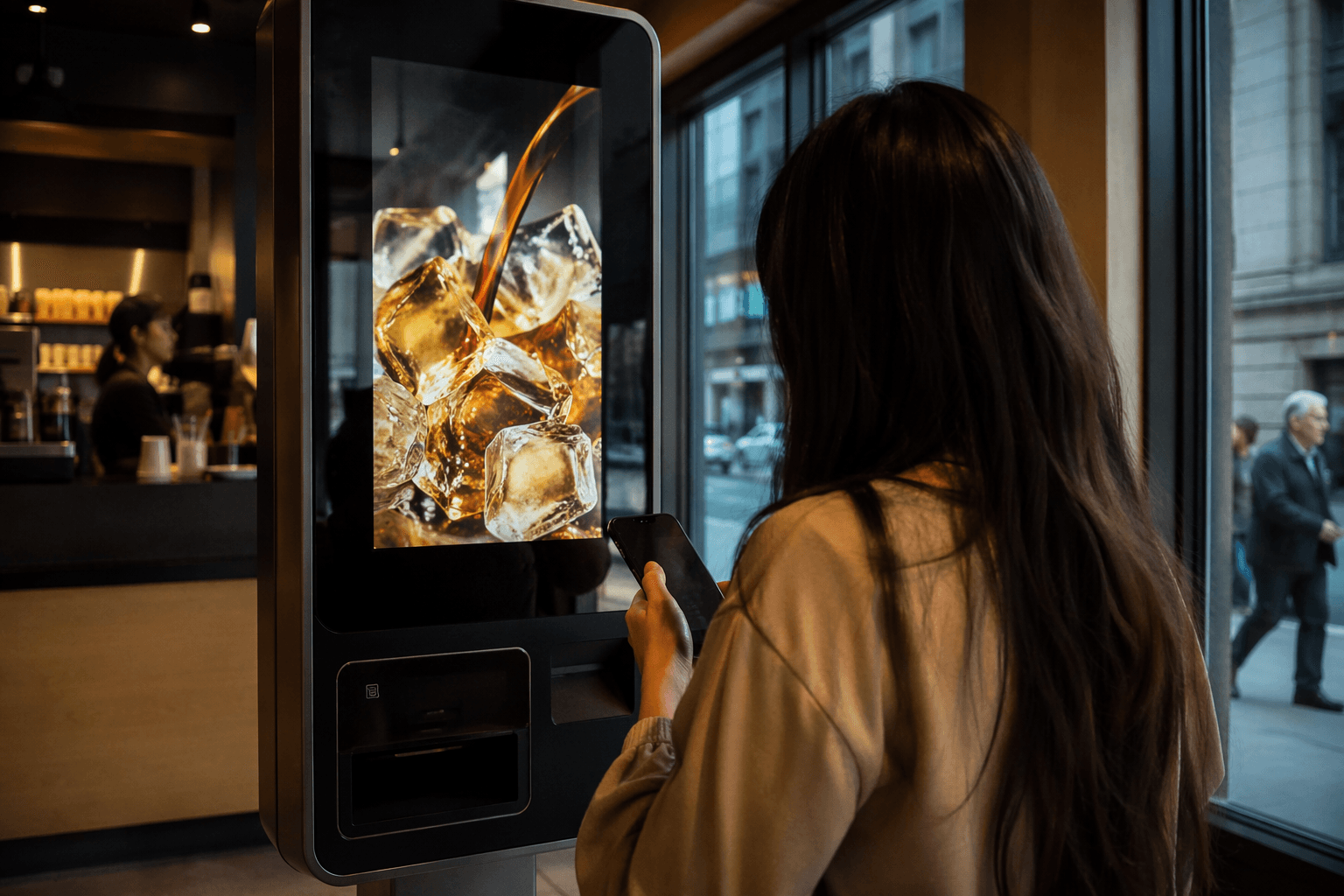
Pizza Hut has already been testing that direction in its own stores. In December 2024, the chain unveiled a U.S. prototype in Plano, Texas, built around self-service kiosks, a drive-thru, pickup cabinets, a digital menu board, and a guest-facing pizza-making station. Pizza Hut said the format was already operating in more than 80 markets and nearly 2,000 locations worldwide, and described the design as a way to drive more transactions and more in-restaurant traffic while letting team members serve guests better and letting guests guide their own journey.
The broader system underneath that push is getting deeper. Yum! Brands introduced Byte by Yum! on February 6, 2025, as a platform for online and mobile ordering, point of sale, kitchen and delivery optimization, menu management, inventory and labor management, and team-member tools. Yum said 25,000 of its restaurants globally were using at least one Byte by Yum! product, and said Pizza Hut U.S. was using the kitchen system to improve delivery times and reduce the time pizzas wait in the restaurant.

That matters at store level because Pizza Hut’s technology bets are landing against a business that has not been humming. Around the time the prototype was introduced, Pizza Hut’s U.S. same-store sales had declined in the prior four quarters and were flat or down in seven of the prior 11 quarters. In that setting, kiosks are not just a nicer ordering option. They are part of a fight over how much labor stays visible at the front counter, how much gets pushed into the kitchen, and how evenly that shift lands across stores that automate aggressively and those still running older service models.
This article was produced by Prism’s automated news system from verified source data, official records, and press releases, then run through automated quality and moderation checks before publishing. The system is built and supervised by the people who set the standards it runs under. Read our full AI policy.
Did this article answer your question?
