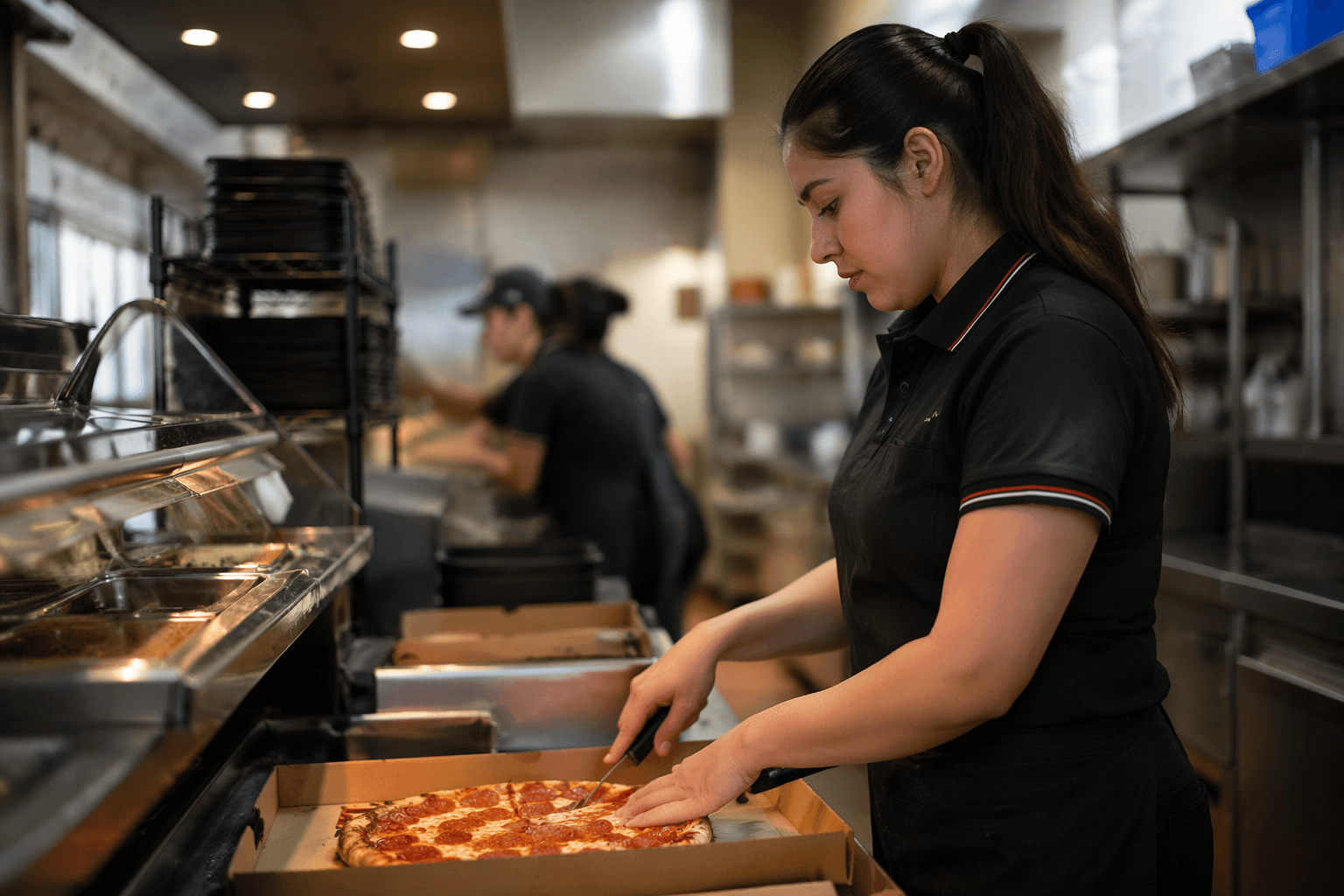
Pizza Hut franchisees face pressure as labor and delivery costs rise
Swipe fees, delivery commissions and labor pressure are squeezing Pizza Hut franchisees, and a few points of fee relief could buy back driver hours.

Pizza Hut franchisees were facing a cost stack that can turn a full dining room and a busy delivery board into thin-margin work. Swipe fees, delivery commissions and labor pressure were all landing on the same store-level payroll, while managers were also watching wage rules, tip-credit fights and immigration enforcement pressure that can change staffing costs overnight.
The pressure matters because Pizza Hut runs on franchisees. In its own job materials, the company says franchisees are the exclusive employers of their workers and are solely responsible for employment matters in their restaurants. Traditional Pizza Hut locations also still lean on delivery, carryout and dine-in service, and current delivery-driver postings advertise pay of $15 to $20 an hour. That means every extra cost at the register or on a delivery order can ripple straight into driver coverage, kitchen staffing and how many hours a local operator can afford.
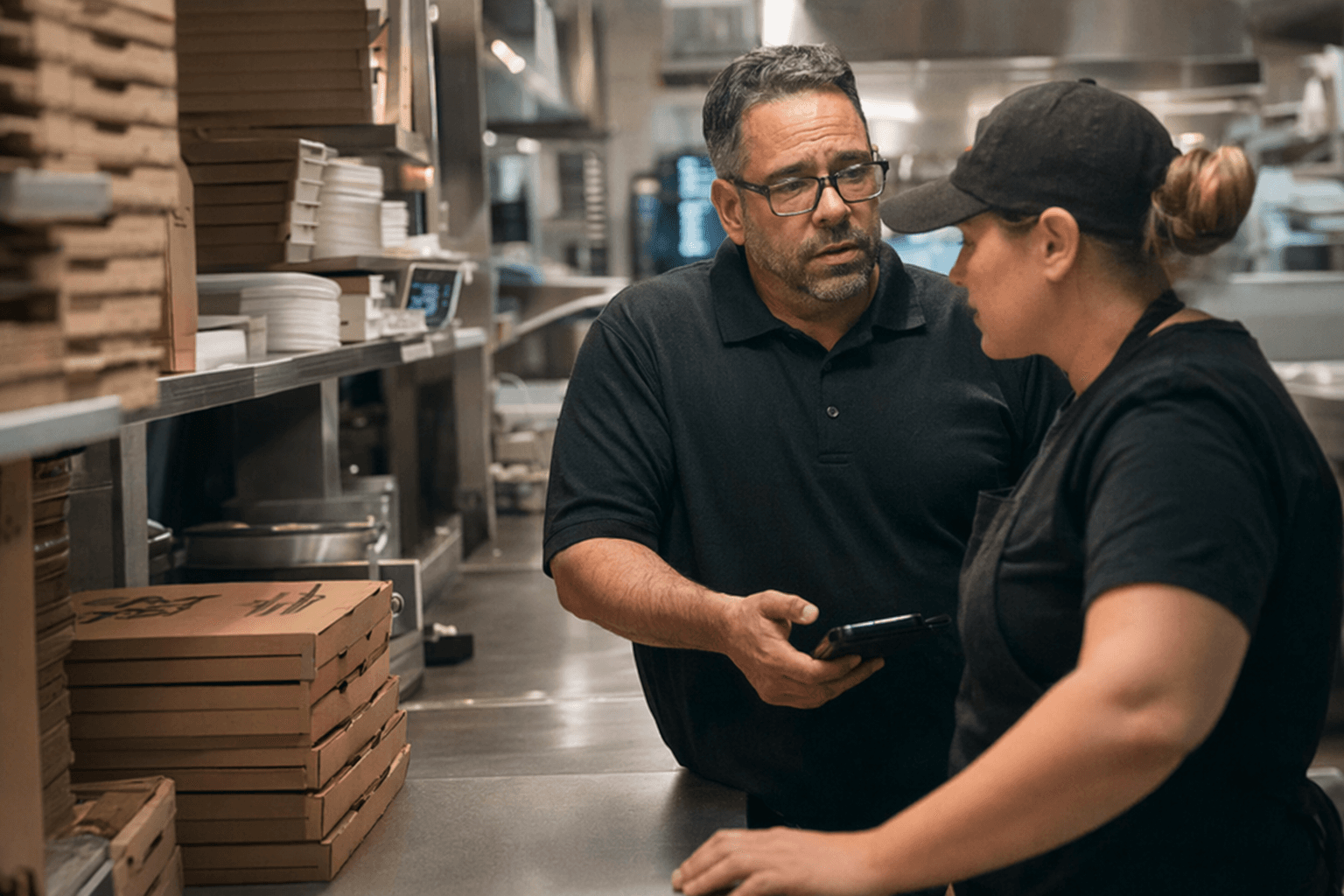
The business math is easy to see. If swipe fees or delivery commissions take a few points off a $1,000 dinner shift, about $20 to $30 disappears before rent, labor or food cost is even considered. At Pizza Hut, that kind of relief could matter fast. A $30 savings would cover roughly one to two hours of driver pay at the posted wage range, or let a manager keep one more closing shift covered instead of cutting back hours. That is why franchisees can influence some of the pressure now, by tightening scheduling, adjusting pricing and deciding how much delivery coverage to offer, while bigger fixes on card-processing fees or immigration enforcement depend on broader policy action.
Pizza Hut operators have already seen how quickly labor rules can change delivery models. Eduardo Diaz once built a 142-unit Pizza Hut franchise empire across several states, mostly in the Midwest, before inflation and rising costs strained the operation. He had also reportedly received a $97 million offer for the restaurants before that deal fell through. In California, two Pizza Hut franchisees laid off more than 1,200 delivery workers ahead of the state’s fast-food minimum wage increase to $20 an hour. In Iowa, a franchisee was sued over unreimbursed mileage expenses for drivers, a reminder that even small reimbursement disputes can cut into pay and margins.
The scale of the chain makes the stakes bigger. Pizza Hut posted about $5.55 billion in U.S. sales in 2024, so even modest changes in swipe fees, delivery commissions or labor rules can echo through a large franchise system. For store managers and drivers, the result is likely to show up first in the schedule, then in the delivery board, and finally in the amount of room a unit has left to grow.
This article was produced by Prism’s automated news system from verified source data, official records, and press releases, then run through automated quality and moderation checks before publishing. The system is built and supervised by the people who set the standards it runs under. Read our full AI policy.
Did this article answer your question?