Pizza Hut loyalty program aims to boost repeat visits and sales
Hut Rewards is built to push the next order, not just hand out free pizza, and that changes the questions crew, drivers, and managers hear all shift.
Why Hut Rewards matters on the floor
The fastest way a Pizza Hut store gets pulled into loyalty trouble is when a customer shows up expecting a deal, a points redemption, and a quick answer on whether it all stacks. Hut Rewards is not just a perk list, it is a system built to change how often people order, how much they spend, and what they expect when they walk in, call in, or tap through the app.
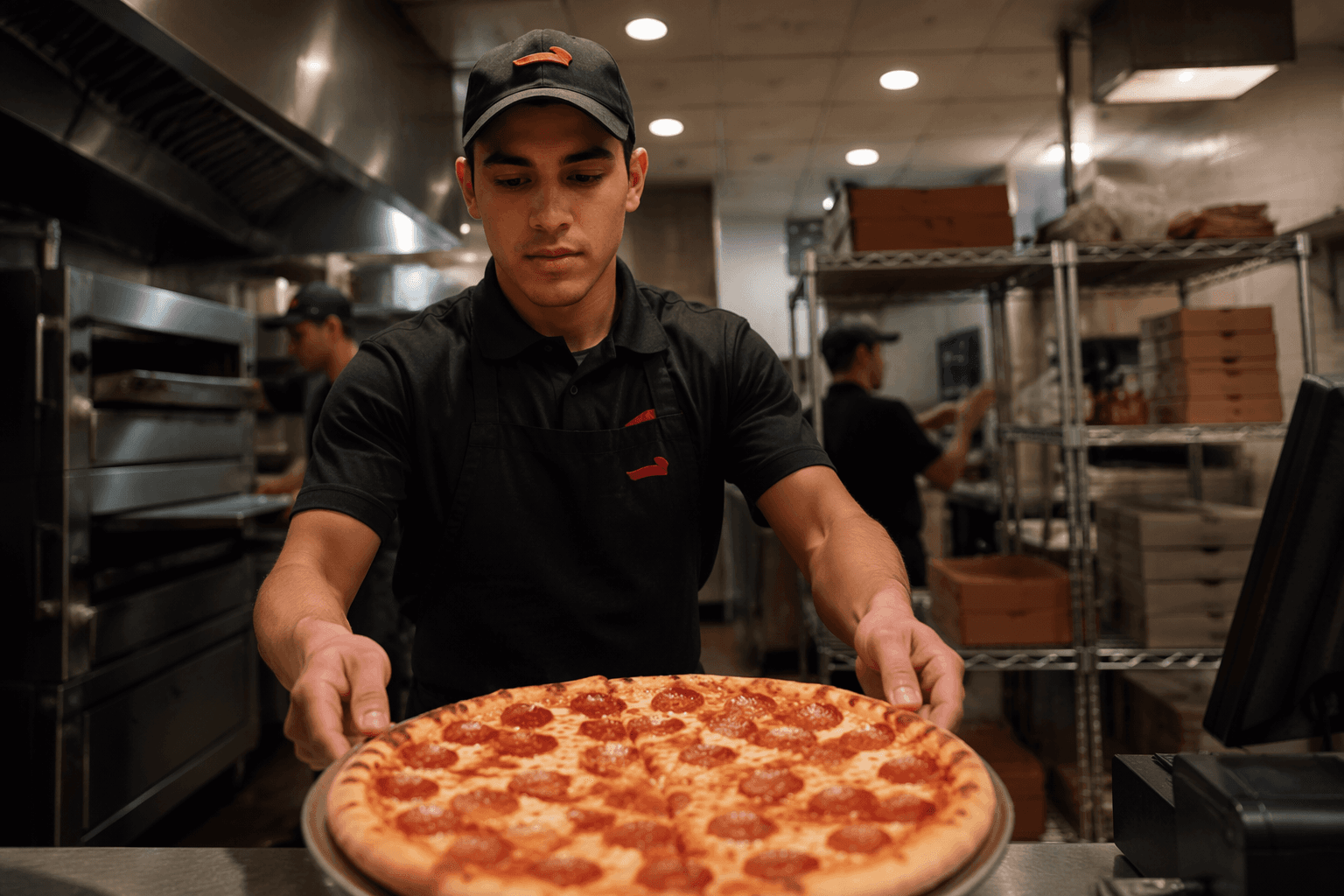
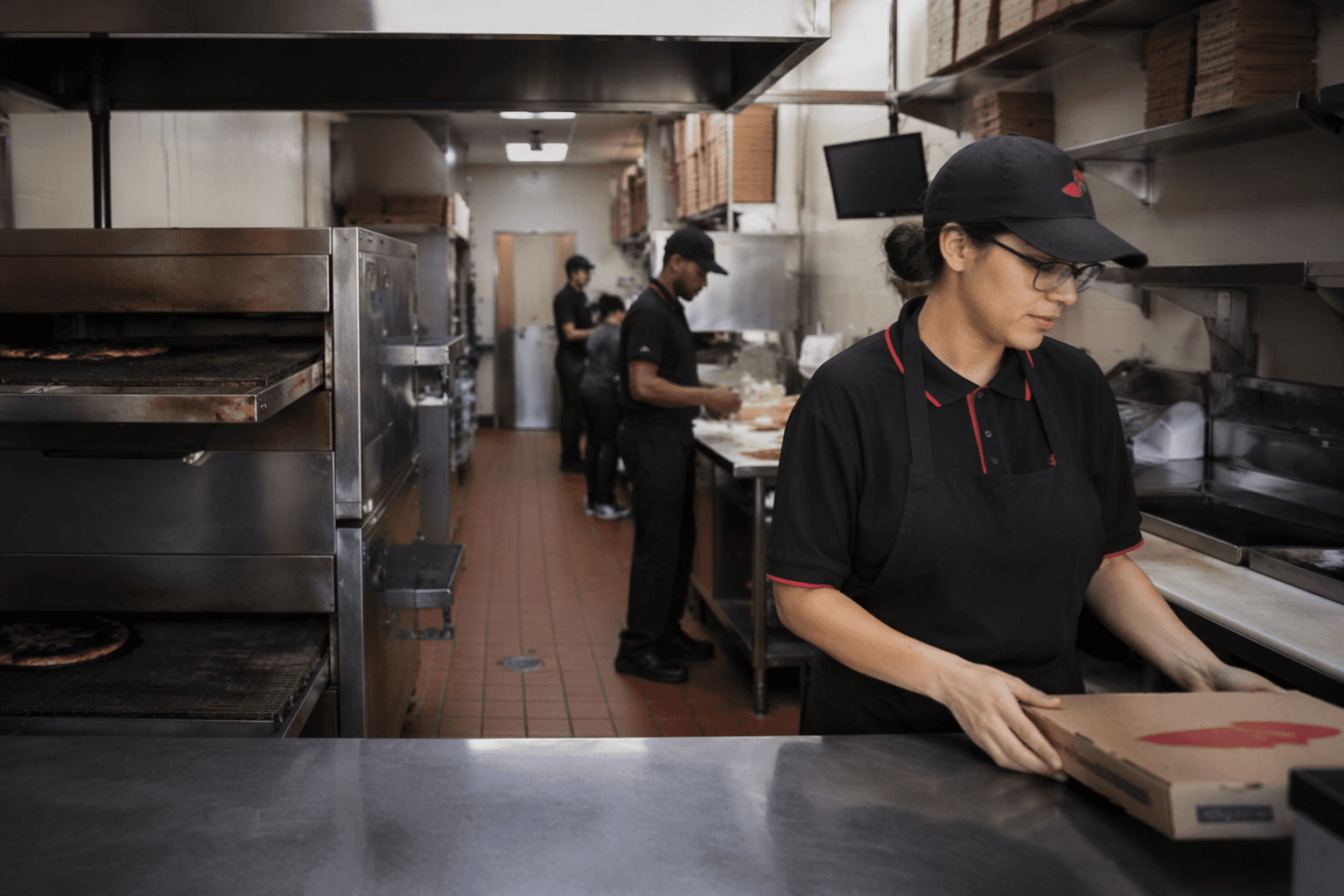
For crew and managers, that means loyalty is not happening in a marketing silo. It shows up in slower dayparts that need traffic, in promo questions at the counter, in delivery orders where timing matters, and in service recovery when a guest believes a reward should have applied differently. In a business where third-party apps and competing value menus are always one swipe away, Pizza Hut is using rewards to keep the customer inside its own ecosystem.
How the program is designed to drive repeat visits
Pizza Hut’s current Hut Rewards setup is simple on the surface: members earn points for every dollar spent on food and drinks. The payoff is broader than a single free item, because rewards can be redeemed for pizza, breadsticks, wings, and desserts. The page also leans on member-only promotions and early access to new products, which tells you the goal is not just to reward spend, but to make the next order feel like the obvious one.
That matters operationally because a loyalty program changes behavior in waves. One visit becomes another, then another, until the customer is back often enough to think in terms of perks and point balances instead of one-off purchases. When that happens, store teams inherit a new kind of conversation: not just “what do you want,” but “what do I have,” “what can I redeem,” and “why did this offer not apply.”
For managers, that is the real signal. Loyalty is helping stabilize sales, especially when traffic can soften at odd hours and digital ordering is competing with both gig-delivery convenience and rival pizza deals. For frontline workers, it means more app questions and more expectations built by the offers Pizza Hut has already trained customers to watch for.
What changed in the relaunch
Pizza Hut said on April 21, 2026, that it relaunched Hut Rewards as a next-generation membership. The company described the updated program as built around ongoing value, exclusive access, challenges, bonus opportunities, an expanded rewards catalog, and member-only experiences. March Madness was the first large-scale demonstration of the new approach, which shows that Pizza Hut is using the program as a test bed for gamified engagement, not just a points ledger.
That shift matters because it changes the pressure on stores. A traditional points program can be explained with a quick balance check. A challenge-based membership creates more moving parts: limited-time offers, bonus points, special-event pushes, and customers who expect the app to reward them for paying attention. The more the program behaves like an ongoing game, the more store teams become the face of its rules.
Pizza Hut also said the relaunched Hut Rewards is free to join and available through the app or online. That keeps digital ordering at the center of the strategy, which is important for restaurants that are already balancing phone orders, in-store traffic, delivery timing, and app-based demand.
What workers need to watch for at the counter and on the line
In day-to-day store life, loyalty programs create a handful of repeat friction points. A guest may want to know whether a coupon stacks with a reward redemption, whether points can be used on a particular order, or whether a promotion applies to the item they just selected. Those questions can slow a rush if the team is not clear on the rules, and they can turn into service recovery issues if a customer feels the app promised more than the store delivered.
For drivers, the impact is a little different. Loyalty can change the mix of orders that come through, especially during quieter periods when app offers are meant to spark extra volume. More repeat guests can mean more familiar drop-offs and more expectations around speed, accuracy, and how a reward order should look when it lands on the porch.
For kitchen crew, the challenge is consistency. Rewards-heavy customers often order with a specific redemption in mind, which can mean more customized tickets, more questions about substitutions, and more chances for confusion if the order path is not clean. In a busy store, the difference between a smooth loyalty interaction and a messy one can be as simple as whether the team knows the current redemption structure before the rush hits.
The economics behind the points
Pizza Hut first announced Hut Rewards on August 1, 2017, as a national pizza loyalty program. At launch, the company said members earned two points for every $1 spent online, and it said a Medium ANY Pizza could be redeemed for 200 points while a Large ANY Pizza cost 250 points. The current page now shows a large pizza redeemable at 300 points, which is a useful reminder that loyalty economics are not fixed. They can be adjusted as the brand changes the way it wants to steer customer behavior.
That change is the part workers feel indirectly. A more expensive redemption threshold can shape how often customers need to spend before they feel rewarded, which in turn affects how much digital traffic the program can generate. When the structure changes, the stores still have to deliver the same promise: clear answers, accurate orders, and no confusion at pickup or drop-off.
Pizza Hut’s current FAQ also says points can expire if an account has been inactive for six months, while bonus or challenge points may expire under separate promotion rules. That creates urgency, and urgency is what gets people to order sooner rather than later. For store teams, it means more customers arrive with a ticking clock in mind, which can make every offer feel time-sensitive.
How Pizza Hut turns one order into the next
The clearest example of the frequency strategy is Hut Hook-Up. Under that promotion, a customer places a qualifying $7.99-plus online or in-app order, joins Hut Rewards within 48 hours if they are not already a member, and receives a free large 1-topping pizza coupon within 48 hours. The coupon expires 15 days after receipt.
That is not just a discount, it is a behavior loop. Pizza Hut is essentially saying the first transaction should trigger a second one, and the second one should come soon enough to keep the customer inside the habit cycle. For employees, that means loyalty is part of the order flow, not a separate side program. It shapes the pace of questions, the timing of returns, and the expectations customers bring into the next visit.
Why corporate pushes rewards so hard
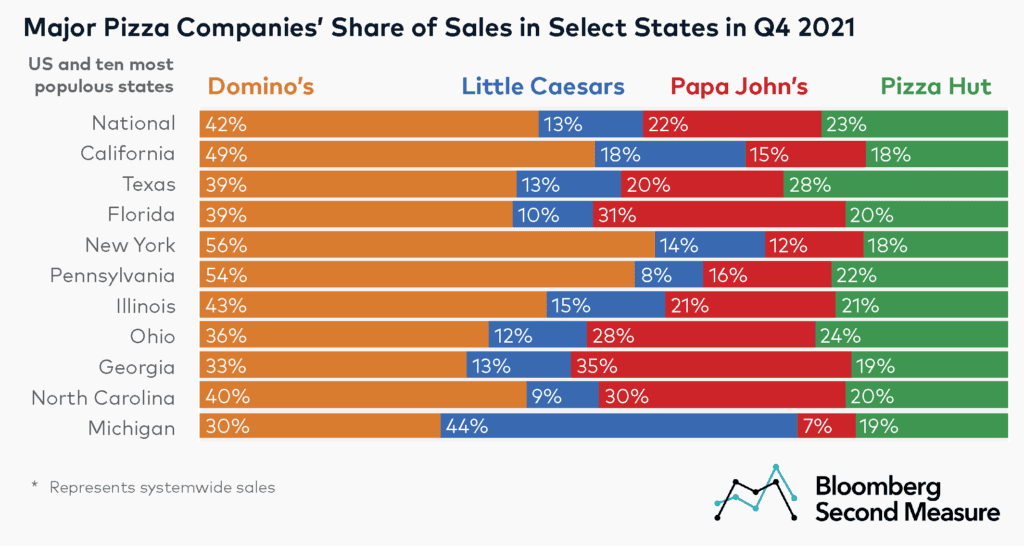
Pizza Hut said in 2025 that Hut Rewards is its U.S. loyalty program and that it offers points for every dollar spent on food any way you order. Pizza Hut also said in 2024 that it had nearly 20,000 restaurants in more than 110 markets and territories globally. That scale helps explain why the company treats loyalty like a core operating tool rather than a small marketing experiment.
At this size, even a modest lift in repeat visits can matter. The brand is trying to keep orders from drifting to third-party delivery apps or to competitors’ value menus, and it is doing that by tying spend to a richer set of perks, limited-time experiences, and digital-only access. For workers, the takeaway is straightforward: when Hut Rewards gets pushed hard, it is because corporate sees it as a way to stabilize demand, shape ordering habits, and keep customers coming back through Pizza Hut instead of somewhere else.
This article was produced by Prism’s automated news system from verified source data, official records, and press releases, then run through automated quality and moderation checks before publishing. The system is built and supervised by the people who set the standards it runs under. Read our full AI policy.
Know something we missed? Have a correction or additional information?
Submit a Tip