Pizza Hut maps growth across traditional, non-traditional and international stores
Pizza Hut’s growth strategy splits the brand into three operating worlds, and each one changes staffing, pace, and advancement.
Pizza Hut’s growth story is not just about more stores. It is about three different kinds of store, three different frontline jobs, and three different ways managers can win or stumble on the floor. A standard delivery restaurant, a commuter-heavy non-traditional unit, and an international opening each demand a different staffing plan, different coaching, and a different read on the customer in front of you.
Three formats, three operating realities
Pizza Hut’s franchise site divides opportunities into Traditional, Non-Traditional, and International. That split sounds simple, but it tells workers a lot about what kind of shift they are signing up for. Traditional locations are standard U.S. Pizza Hut restaurants with delivery, carryout, and dine-in options, while non-traditional sites sit inside captive environments such as gas and convenience stores, stadiums, colleges, and mass transit locations. International opportunities, meanwhile, are outside the United States and open a different path for people who want to build a career beyond one local market.
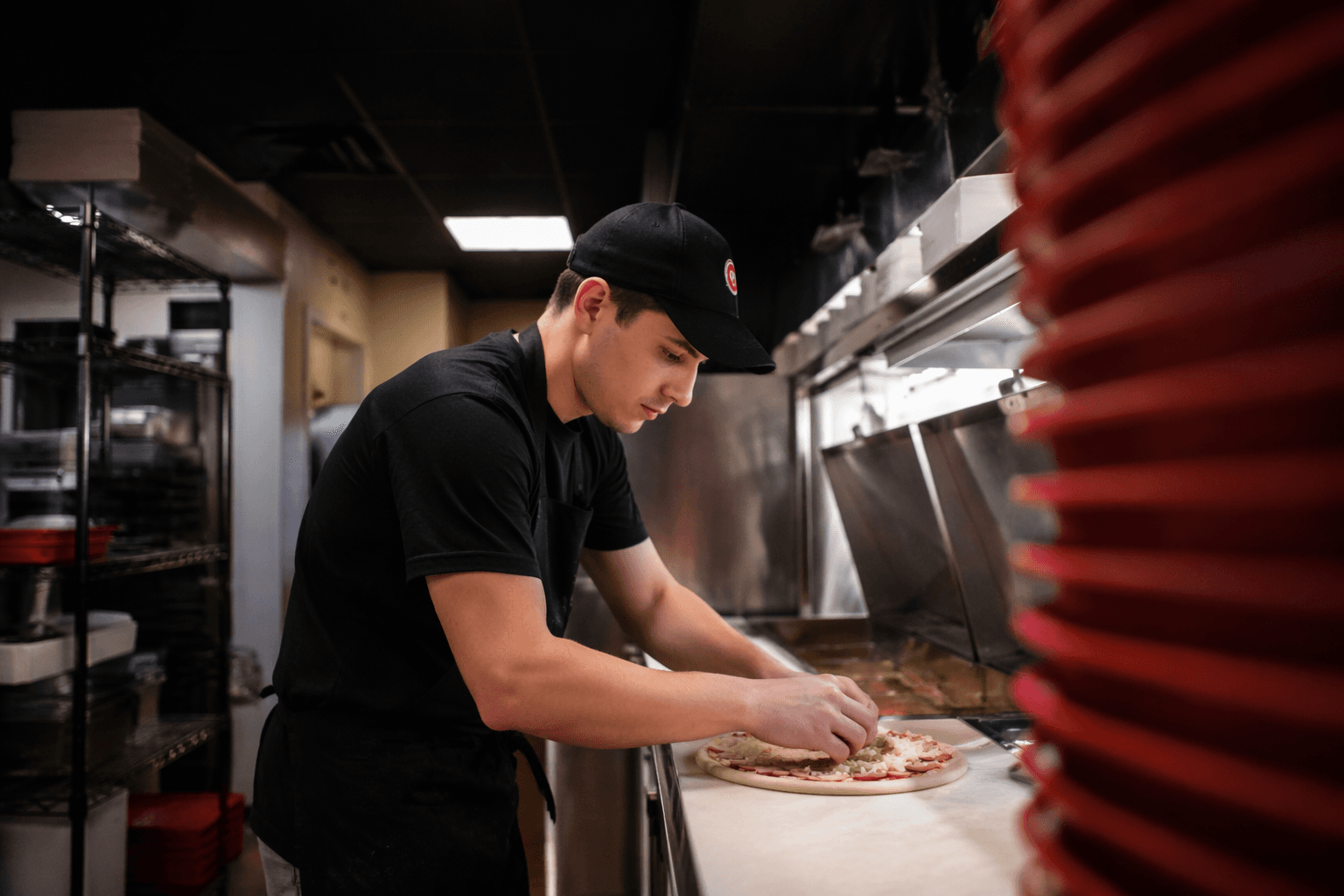
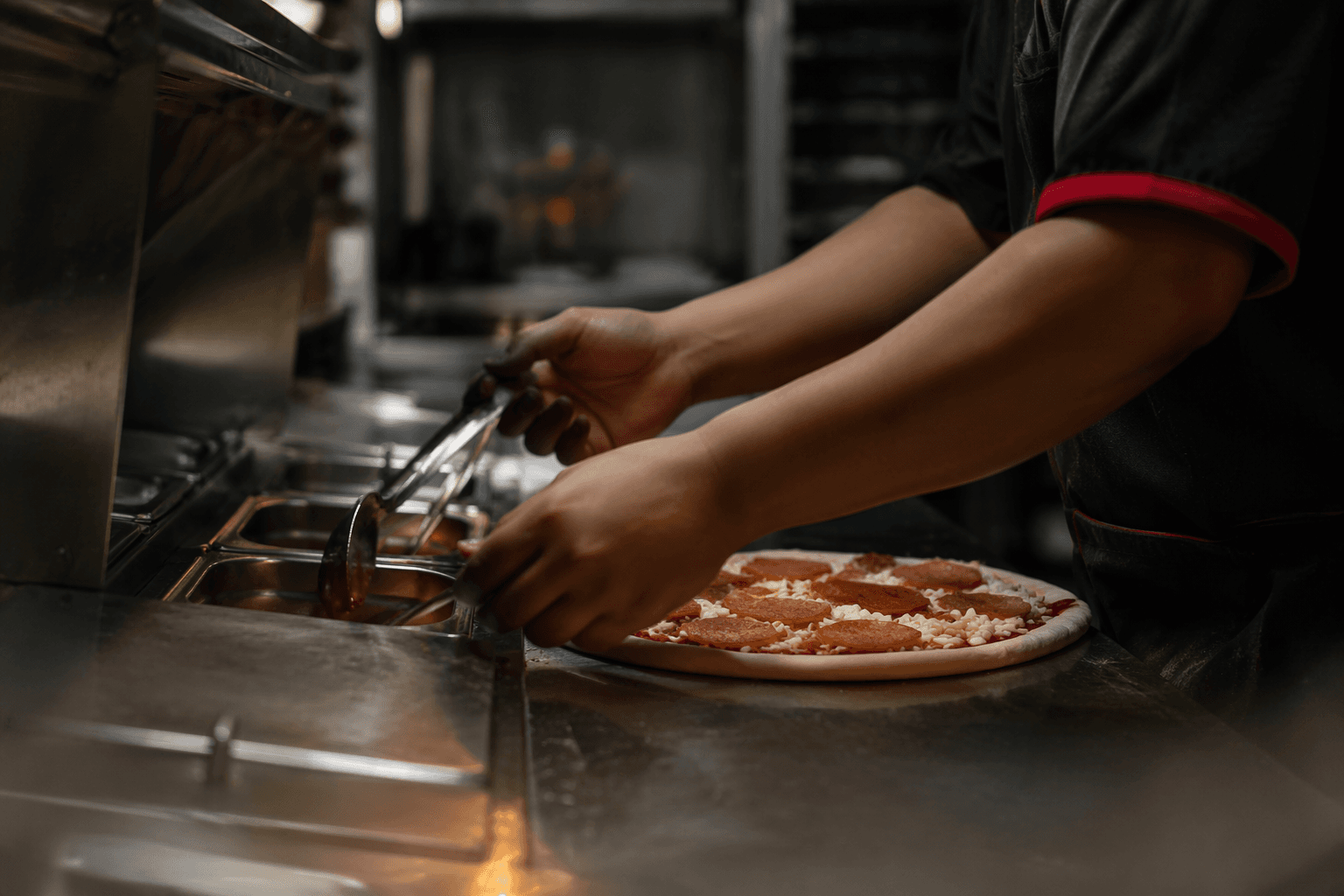
For crew members, the practical takeaway is that “working at Pizza Hut” is not one job. A traditional store may still lean on delivery tickets, dining room flow, and pickup orders, but a campus or travel-plaza unit can revolve around quick turns, limited menus, and customers who already know exactly what they want. That changes the rhythm of the shift, the pace of the make line, and the amount of time managers have to train someone before the dinner rush hits.
What changes for managers and crew on the floor
The format of the store shapes the work behind the counter. In a traditional restaurant, staffing has to cover delivery, carryout, and dine-in at the same time, which means managers need enough cross-trained people to absorb peaks without burning out the team. In a non-traditional location, the labor model can be leaner and faster, but the pressure shifts to speed, accuracy, and keeping the line moving when the surrounding venue suddenly floods the store with demand.
That matters for the people trying to earn hours, tips, and advancement. Delivery drivers in a traditional unit are still tied to order volume and the local market for tips, but the shape of that work changes when the store is competing with DoorDash and Uber Eats for the same customer’s dollars and attention. A manager who understands that a delivery-heavy store runs differently from a pickup-focused or captive-traffic unit can schedule more realistically and avoid the kind of service breakdowns that drive turnover.
The licensing page also makes clear that Pizza Hut’s non-traditional footprint can stretch into airports, concert venues, grocery stores, hospitals, hotels, military posts, movie theatres, sporting events, stadiums, travel plazas, and campuses and universities. Each of those locations brings a different customer mix and a different clock. A hospital unit may need steadier all-day coverage, while a stadium or concert site may need a small team that can absorb a huge burst of traffic before and after an event.
Why Hut Lane and the Plano prototype matter
Pizza Hut is also testing how far it can push convenience. Its Hut Lane drive-thru locations let customers place orders ahead of time or pick them up at a window, which gives the brand a way to serve people who want speed without entering the dining room. That model matters because it changes the front-line job: more emphasis on pickup flow, tighter handoff timing, and fewer opportunities for the loose, sit-down pace that defined older Pizza Hut stores.
The company’s December 2024 prototype in Plano, Texas pushed that idea further. The new design featured self-service kiosks, pickup cabinets, and Pizza Hut’s first U.S. Hut ‘N Go drive-thru menu, a select list of ready-now items meant for quick pickup at the window. Reporting on the site said it also included a traditional drive-thru lane, a guest-facing pizza-making station, and seating inside, and the new store replaced a 25-year-old Pizza Hut at the same location.
That replacement is a useful clue for workers and managers alike. Pizza Hut is not relying only on new ground-up stores; it is trying to retrofit older assets into a faster, more pickup-friendly model. For employees, that can mean learning new tools and new service patterns in stores that may still carry the habits of the old build, which is exactly where frustration and inefficiency can creep in if training does not keep up.
A brand built from one pizzeria into a global labor system
Pizza Hut’s current format mix makes more sense when you look at its history. The company was founded in 1958 in Wichita, Kansas by Dan and Frank Carney, and its early growth was fast enough that it reached six locations within a year. The Pizza Hut Foundation says the brand later expanded to more than 16,000 restaurants and 350,000 team members in more than 100 countries, which explains why a local store can feel like one part of a much larger operating machine.
Yum! Brands adds another layer to that scale, saying it operates in 155-plus countries and territories with 63,000-plus restaurants overall. That size gives Pizza Hut room to test different store types, but it also means local management matters more than the marketing language suggests. A franchise operator can choose to lean into delivery, pivot toward pickup, or chase captive-traffic locations, and that choice shapes the shifts, the staffing model, and the path to promotion.
Why franchise ownership changes the experience
Large operators can move the brand in different directions. Flynn Group said it entered the Pizza Hut system in 2021 with the acquisition of more than 900 U.S. restaurants and later expanded internationally by acquiring Pizza Hut’s master franchisee in Australia with more than 260 units. That kind of ownership scale can affect how quickly standards change, how aggressively stores are remodeled, and what kind of labor strategy gets prioritized.
For store-level employees, that means the manager in charge may be running a location shaped less by the old image of Pizza Hut and more by real-estate constraints, labor costs, and traffic patterns. A non-traditional unit inside a grocery store or travel plaza is not going to need the same staffing model as a traditional dine-in restaurant. A driver-heavy store is not going to value the same speed metrics as a campus counter built for grab-and-go service.
The upshot is blunt: Pizza Hut’s growth plan is also a labor plan. If you work there, the store format tells you what the job will really ask of you, and if you manage there, the format tells you where service will break first unless the schedule, the training, and the coaching match the building you are actually running.
This article was produced by Prism’s automated news system from verified source data, official records, and press releases, then run through automated quality and moderation checks before publishing. The system is built and supervised by the people who set the standards it runs under. Read our full AI policy.
Know something we missed? Have a correction or additional information?
Submit a Tip