Pizza Hut Operator Sued Over Religious Harassment, Military Retaliation Claims
A Tennessee Pizza Hut shift leader alleged she was mocked for Catholic beliefs, denied Sunday Mass scheduling and pushed out after joining the military.
A Tennessee Pizza Hut operator is facing a lawsuit that turns routine shift-setting into a legal risk, with a former shift leader alleging harassment over Catholic faith, denial of religious accommodation and retaliation after enlisting in the military.
The complaint, filed April 23 in the U.S. District Court for the Western District of Tennessee, names Apple American Group LLC, which does business as Pizza Hut. It identifies the plaintiff as Tristan Bowman, a former Pizza Hut shift leader in Tennessee who is now serving overseas with the U.S. military. The filing says Bowman was mocked for religious beliefs, was made to read Bible verses at work in a coercive way and received scheduling treatment that did not respect requests to attend Sunday Mass.
Those allegations put two federal protections at the center of the dispute. Title VII of the Civil Rights Act bars discrimination based on religion and requires employers to reasonably accommodate sincerely held religious beliefs and practices unless doing so would cause an undue hardship. The U.S. Equal Employment Opportunity Commission says the Supreme Court’s 2023 Groff v. DeJoy decision made clear that undue hardship means a substantial burden in the overall context of the business, not just a small added cost.
The lawsuit also invokes the Uniformed Services Employment and Reemployment Rights Act, the law that protects workers who leave jobs for military service. The U.S. Department of Labor says employers may not deny retention in employment or other benefits because of military status, and that returning service members are generally entitled to get their former job back, or a comparable one with the same benefits.
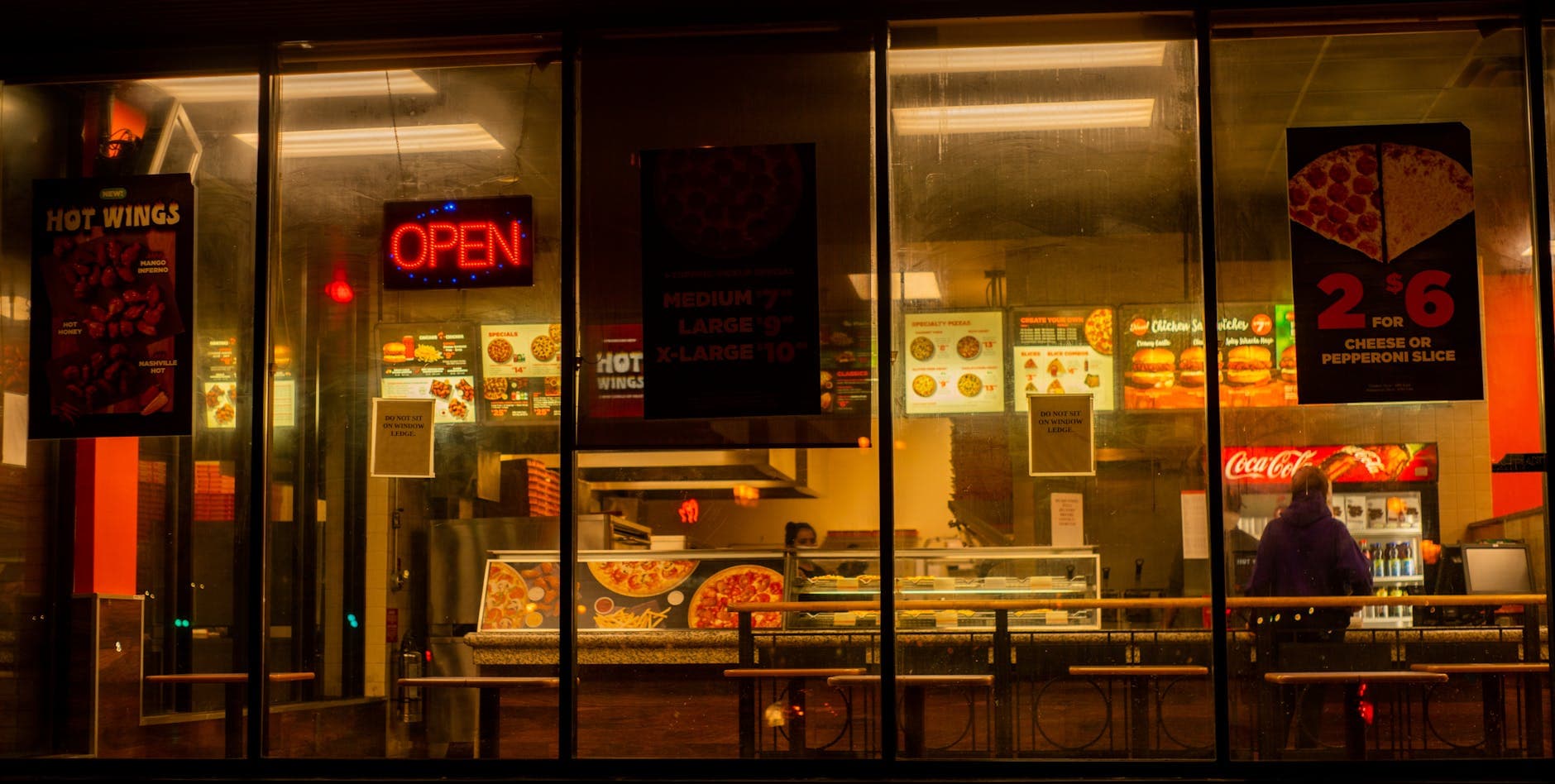
For store managers, the case is a reminder that the riskiest decisions are often the ordinary ones: who gets the weekend shift, how holiday coverage is assigned, whether a Sunday absence is treated as a legitimate religious need or a nuisance, and how supervisors talk about a worker’s faith or service obligations. At a brand built on hourly labor, driver schedules and front-line supervision, sloppy handling of those calls can quickly move from a staffing headache to a federal complaint.
The allegations, if proven, would show how fast a pizza shop dispute can escalate when a manager’s comments or scheduling choices collide with protected religious practice and military service. For operators, the lesson is blunt: neutral scheduling, consistent documentation and basic respect are not optional once a worker asks for accommodation or leaves for service.
This article was produced by Prism’s automated news system from verified source data, official records, and press releases, then run through automated quality and moderation checks before publishing. The system is built and supervised by the people who set the standards it runs under. Read our full AI policy.
Did this article answer your question?