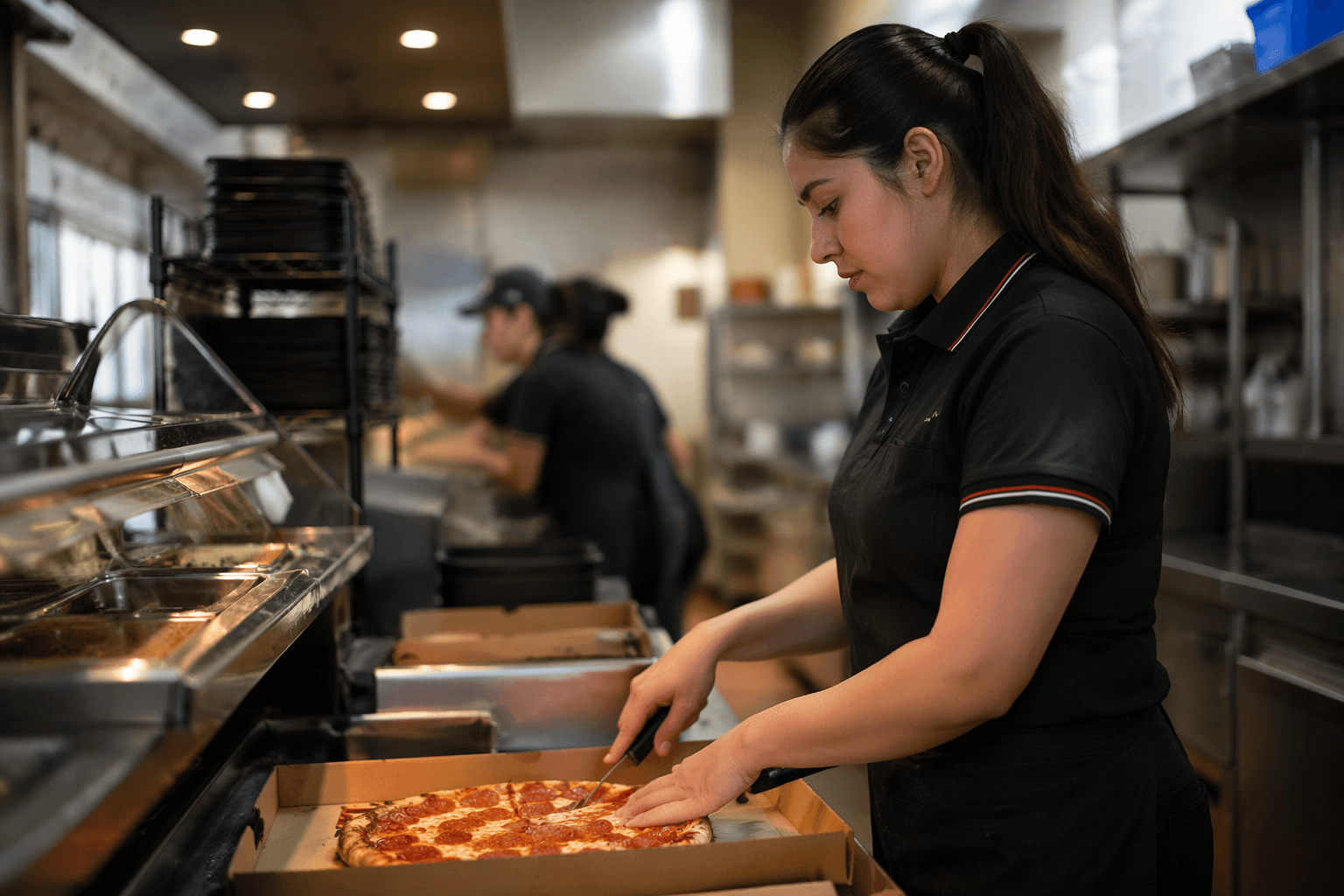
Pizza Hut operators face pricing pressure as restaurants push back on delivery apps
A clause that could have fined restaurants three times the price gap on delivery apps was dropped, a win for operators trying to protect margins and direct sales.
A delivery-app pricing clause that could have fined restaurants three times the difference on each order is gone, and Pizza Hut operators should read that as a warning shot about who controls the menu price. Zomato agreed to drop the term after restaurant pushback, a reminder that the fight over delivery is no longer just about commissions. It is about whether a franchisee can steer customers toward direct orders, protect local promo strategy, and avoid getting trapped by app pricing rules.
That matters in a system like Pizza Hut, where stores juggle app sales, direct marketing, in-store deals, and the day-to-day math of labor and food cost. If a delivery platform can pressure a restaurant to keep app prices aligned with eat-in or own-delivery prices, managers lose room to discount a carryout special, run a neighborhood offer, or hold the line on margin when cheese or labor costs jump. For kitchen crews and drivers, that kind of pressure shows up fast in the make line, the ticket mix, and the pace of orders flowing through a shift.
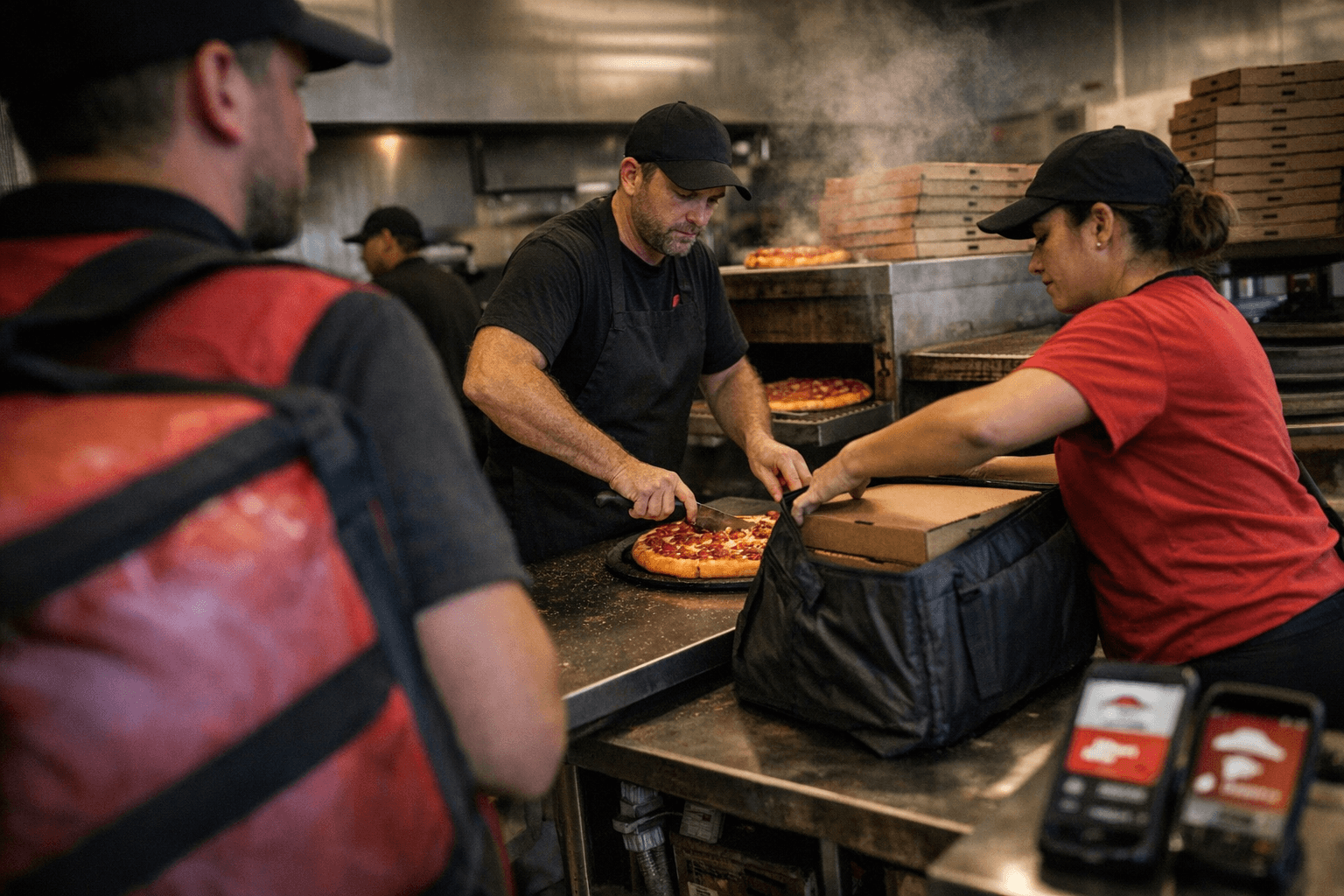
Zomato’s app has about 24 million consumers and 300,000 listed restaurants, and its parent, Eternal, has seen shares more than double since its 2021 listing. The company is valued at nearly $26 billion. The clause at issue was described as a “charges for price disparity” provision, and contracts also allowed mystery shopping to check compliance. Reuters said the term had never been enforced, but the threat itself was enough to draw resistance.
The National Restaurant Association of India, which represents more than 500,000 outlets, opposed the clause. Its president, Sagar J. Daryani, said, “It’s our product and should be our pricing.” For operators in New Delhi and beyond, that line gets to the heart of the business: if a platform controls the visible price, it also shapes what customers order and how much profit stays with the store.
Five lawyers and a former Indian antitrust official said the clause could have faced regulatory scrutiny, echoing a 2022 Indian antitrust decision that forced MakeMyTrip and GoIbibo to remove hotel-rate parity clauses after a complaint from a hotels body. The backdrop is a $94 billion Indian food services market that Mordor Intelligence projects will grow to $153 billion by 2031. For pizza chains and franchisees, the message is clear: delivery apps can still drive volume, but restaurants are pushing back on anything that turns pricing into someone else’s lever.
This article was produced by Prism’s automated news system from verified source data, official records, and press releases, then run through automated quality and moderation checks before publishing. The system is built and supervised by the people who set the standards it runs under. Read our full AI policy.
Did this article answer your question?