Pizza Hut operators face retention costs beyond hourly pay, report says
Pizza Hut operators can lose more to turnover than they save on wages: one replacement can cost thousands, and weak scheduling, training and managers drive exits.
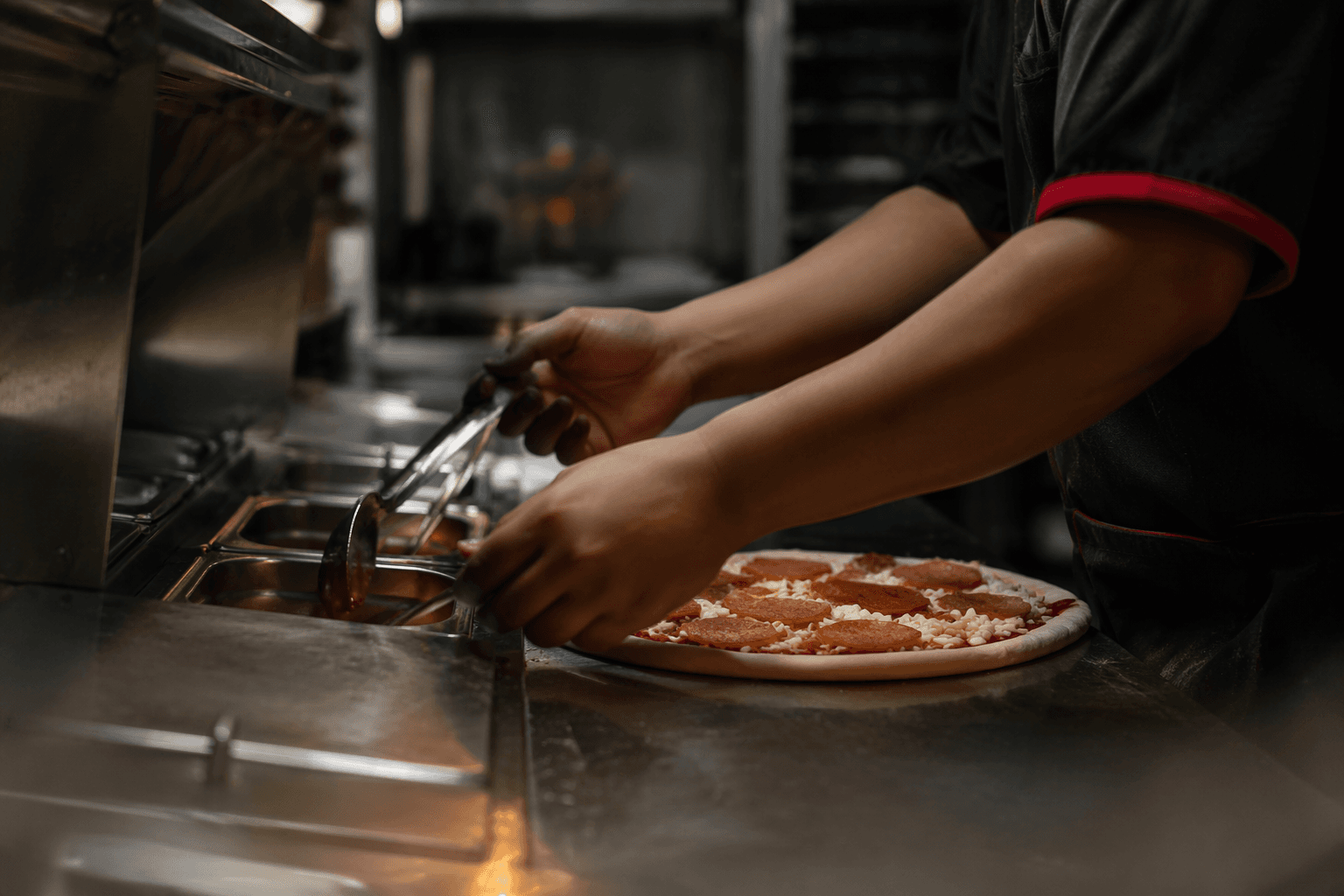
The fastest way a Pizza Hut store lost money was not an extra dollar on the hourly rate. It was a driver quitting after a bad schedule, a cook walking after poor onboarding, or a shift lead leaving because the manager never fixed the workload.
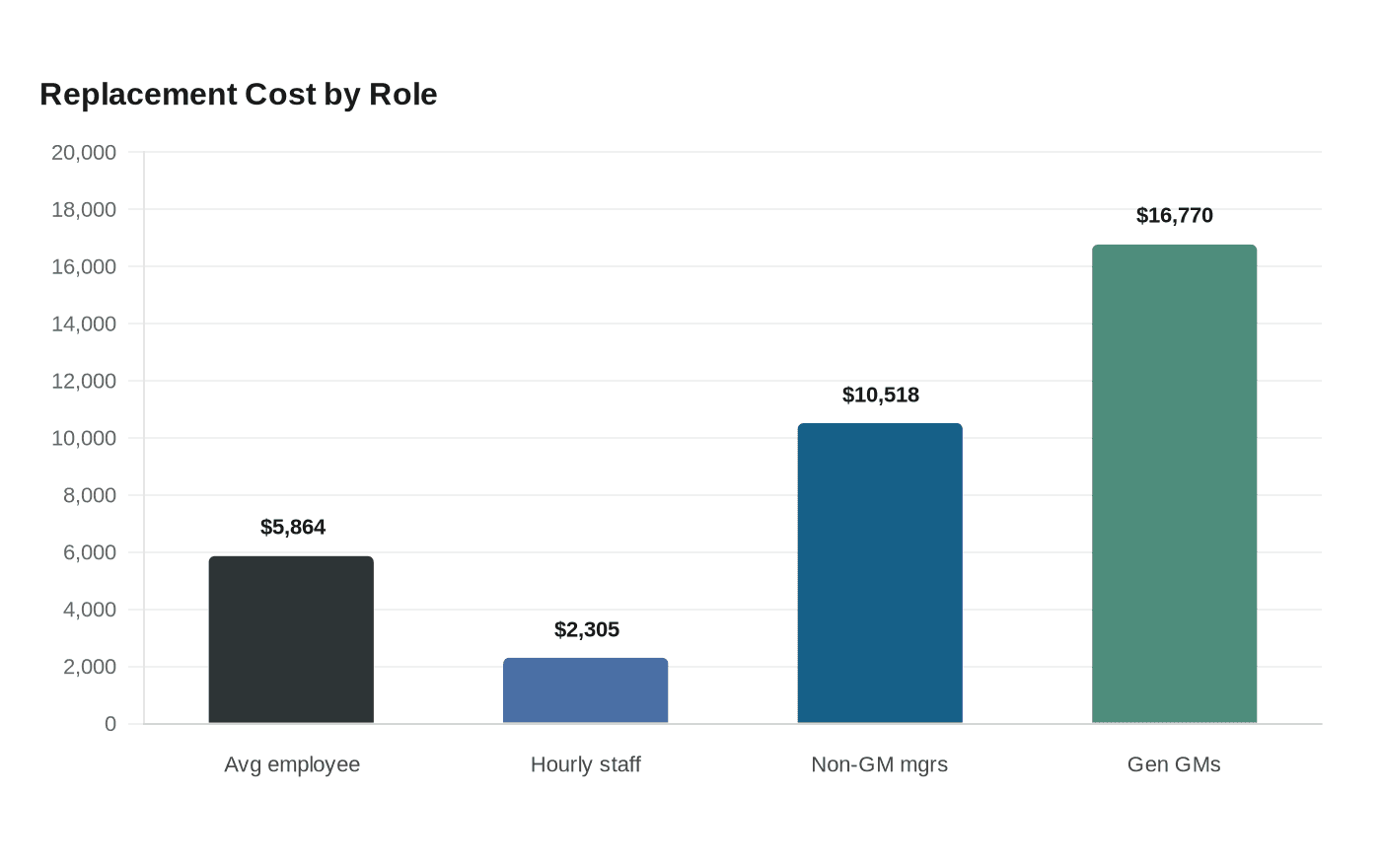
That is the sharper reading of Anthony Codispoti’s argument in Nation’s Restaurant News: restaurant turnover was roughly 75% a year, some quick-service concepts topped 100%, and the cost of replacing people was far higher than many operators assumed. The Cornell Center for Hospitality Research put the average cost to replace a restaurant employee at $5,864, while Black Box Intelligence put hard replacement costs at $2,305 for hourly staff, $10,518 for non-GM managers and $16,770 for general managers.
For Pizza Hut, that math lands at a sensitive moment. Yum! Brands said on Nov. 4, 2025, that it had begun a formal review of strategic options for Pizza Hut and retained Goldman Sachs and Barclays as advisers, saying the brand might be better executed outside Yum! Brands. In that kind of scrutiny, every avoidable resignation matters because labor problems do not just raise payroll costs, they can hit service, delivery speed and store-level execution.
The best evidence that pay alone is not the whole story comes from workers themselves. In a Toast survey of more than 600 restaurant workers, 37% said good pay mattered most, but 35% chose flexible scheduling and 25% pointed to recognition for hard work. The same survey said 33% of turnover was driven by hourly pay, 30% by difficult managers and 28% by difficult co-workers. Another Toast survey found 74% of restaurant staff got two weeks or less of training and onboarding, and 30% were at risk of leaving the industry in the next two years.
That is where Pizza Hut operators can gain or lose ground inside the store. If a location is already offering instant pay, same-day tips, tuition discounts or free meals, the next gains are more likely to come from steadier schedules, better supervisor behavior, more real onboarding and clearer recognition when a driver or crew member does the job well. For Gen Z and Millennial workers, work-life balance has become a top motivator, which matters in a business built around nights, weekends and split shifts.
Pizza Hut has seen the cost of labor gaps before. In May 2022, QSR Magazine reported that U.S. system sales growth and same-store sales both fell 6% because staffing and delivery capacity constrained the brand. Yum! said the problem was not demand but fulfillment, and the company responded by improving staffing, restoring operating hours, boosting online ordering and expanding third-party delivery ties.
The broader restaurant industry only raises the stakes. The National Restaurant Association says 9 in 10 restaurants have fewer than 50 employees and 7 in 10 are single-unit operations, making turnover a daily operating problem, not an abstract HR issue. It also says the industry directly contributed $1.4 trillion in output in 2024 dollars and employed 14.2 million people in 2022. For Pizza Hut, keeping a crew intact is now part of the business model, not a side issue.
This article was produced by Prism’s automated news system from verified source data, official records, and press releases, then run through automated quality and moderation checks before publishing. The system is built and supervised by the people who set the standards it runs under. Read our full AI policy.
Know something we missed? Have a correction or additional information?
Submit a Tip